
Unbiased headlines. Facts, not spin.
Every story is an unbiased news briefing written from 110+ sources across the spectrum — sources linked so you can verify it yourself.
 defense
Notable (6/10)
May 28, 2026 at 11:27 PM
defense
Notable (6/10)
May 28, 2026 at 11:27 PM
Tentative U.S.-Iran Deal Emerges — Then Iran Fires More Missiles, and the $29 Billion War Needs an Inspector General
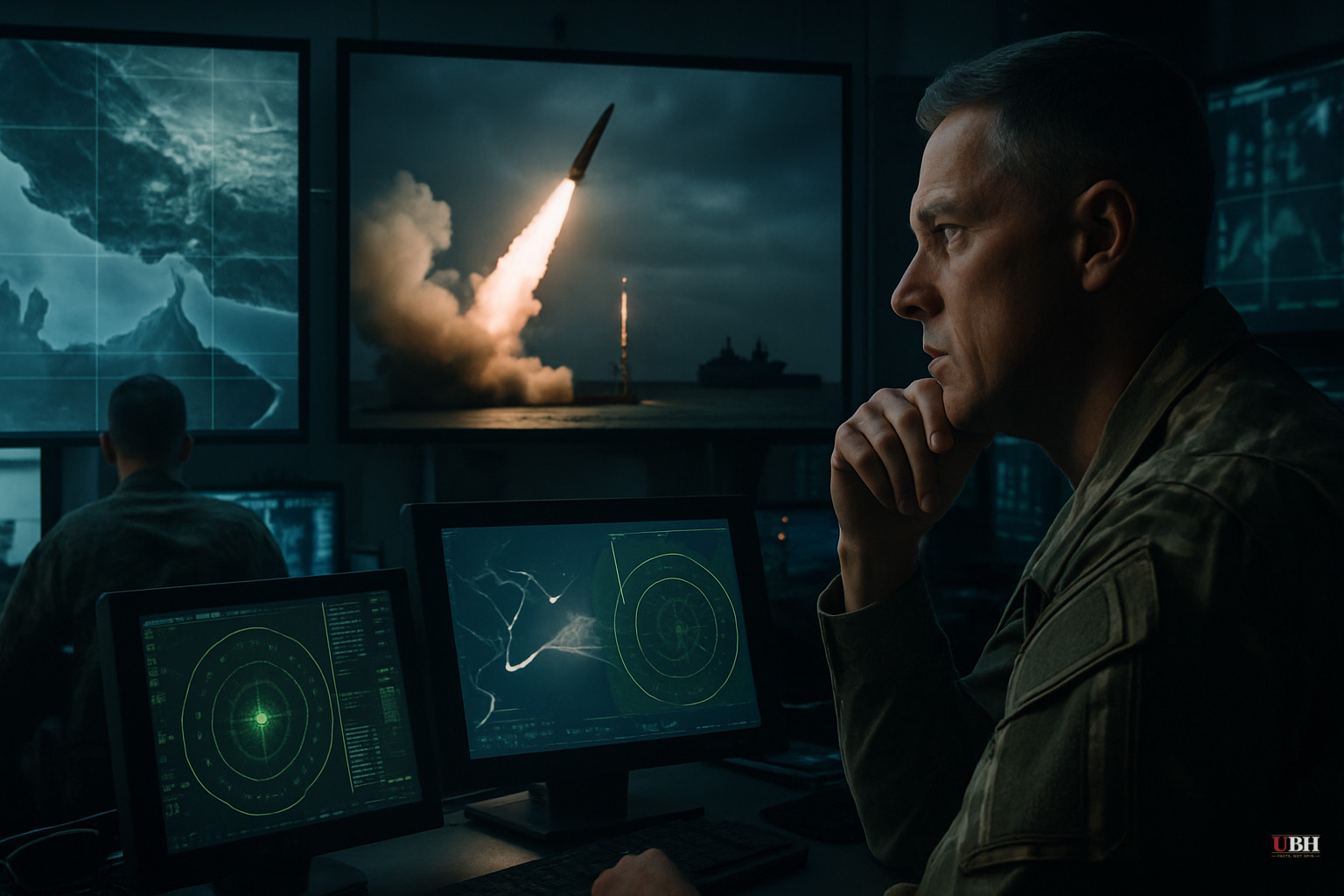
The Deal Exists. It's Not Done.
U.S. and Iranian negotiators have agreed to a 60-day memorandum of understanding that would extend the ceasefire and reopen the Strait of Hormuz to free transit.
But President Trump has NOT signed it.
A White House official confirmed to CNBC that the two sides are "mostly agreed" on terms. Treasury Secretary Scott Bessent called it "the makings of a deal" at a White House briefing Thursday, according to the Wall Street Journal. But when pressed for specifics, Bessent sidestepped nearly every direct question, according to The Hill.
That hedging is deliberate.
What's Actually In It
According to WSJ and CNBC, the framework includes: a gradual reopening of the Strait of Hormuz, Iranian pledges to curtail some nuclear activity, and the start of formal nuclear negotiations under the 60-day window.
What it does NOT appear to include is Iran surrendering its highly enriched uranium stockpile.
Bessent said Thursday that Trump has "several red lines," including a demand that Iran hand over its enriched uranium and abandon its nuclear weapons program entirely. The WSJ editorial board noted it's risky to end the U.S. naval blockade without first getting the uranium out of Iranian hands.
If the deal locks in a ceasefire but leaves Iran's most dangerous material in place, the U.S. has traded leverage for a calendar.
Iran Fired Missiles — Hours After the "Deal" Was Reported
Thursday night, hours after markets rallied on deal optimism, Iran's state media outlet Fars reported that Iranian armed forces launched missiles at unidentified targets in southern Iran. The Pentagon confirmed earlier Thursday that Iran had already launched a ballistic missile toward Kuwait — intercepted by Kuwaiti forces — and deployed attack drones in and around the Strait.
Iran was reportedly signing off on a peace deal while launching ballistic missiles simultaneously.
CNBC and The Hill both reported the missile launches. Most headline coverage buried it under the market rally story.
Markets Bought the Optimism. Citi's CIO Is Cautious.
All three major U.S. stock indexes closed at record highs Thursday. The S&P 500 gained 0.58%, the Nasdaq Composite rose 0.91%, the Dow inched up 0.05%, according to CNBC. Stocks surged to session highs after Axios broke the ceasefire story.
Brent crude dipped on the deal news, per The Hill. Treasuries rose, gold climbed, and the dollar fell against major peers — all standard reactions to reduced geopolitical risk, per Bloomberg.
But Kate Moore, Chief Investment Officer at Citi Wealth, told CNBC's "Closing Bell: Overtime" that the market's real engine isn't Iran — it's technology earnings. "What's been driving the market higher is, frankly, the power of the technology earnings," Moore said. The Iran rally may be a coincidence layered on top of a pre-existing bull run.
Bessent Warned Oman — Again
On Thursday morning, before the deal news broke, Bessent issued another warning to Oman, according to The Hill. Any actor — directly or indirectly — facilitating Iran's proposed tolling scheme on Strait of Hormuz transit will face aggressive U.S. Treasury action.
The Treasury Department sanctioned Iran's newly created "Persian Gulf Strait Authority" on Wednesday, per CNBC. That's the Iranian agency set up to collect transit fees from vessels using the Strait — a move that would hand Tehran a revenue stream and de facto control over one of the world's most critical oil shipping chokepoints.
Oman has reportedly been in talks with Iran about participating in that tolling arrangement. Bessent made clear the U.S. will not permit it.
Congress Wants Eyes on a $29 Billion War
Democratic Sen. Tammy Duckworth of Illinois sent a formal letter Thursday to CIGIE Chair Cheryl Mason demanding that an Inspector General be appointed to oversee Operation Epic Fury — the U.S. military campaign against Iran, according to Defense One.
Federal law requires an Inspector General when an "overseas contingency operation" exceeds 60 days. U.S. and Israeli strikes on Iran began February 28. That's more than 60 days ago.
The Pentagon has testified the war has cost an estimated $29 billion so far. Defense One reported that Operation Epic Fury is listed as an OCO in the DOD's casualty database, and National Guard members have been deployed — which legally qualifies it as a contingency operation.
Duckworth's argument rests on federal statute. No IG has been appointed.
That's $29 billion of taxpayer money with zero independent oversight.
The Competing Narratives
Left-leaning outlets are leading with the market rally and diplomatic progress. Right-leaning commentary focuses on the enriched uranium problem. Both angles are legitimate — but almost everyone is underplaying the missile launches and completely ignoring the Inspector General gap.
What Happens Next
If Trump approves this MOU, the Strait reopens and oil prices drop further — good for gas bills. But if Iran keeps its enriched uranium, the U.S. has bought 60 days of quiet at the cost of strategic leverage.
Meanwhile, $29 billion in war spending is flowing with no independent watchdog. That's taxpayer money with no one watching where it goes.
Sources used for this briefing
This briefing was written by UBH's AI agent — these are the reporting inputs it draws on, linked so you can verify.


