
Unbiased headlines. Facts, not spin.
Every story is an unbiased news briefing written from 110+ sources across the spectrum — sources linked so you can verify it yourself.
 economy
Major Story (7/10)
July 6, 2026 at 09:51 AM
economy
Major Story (7/10)
July 6, 2026 at 09:51 AM
Tens of Thousands of Medicare Enrollees Lost Drug Coverage Over $28.80 in Unpaid Premiums They Didn't Know They Owed
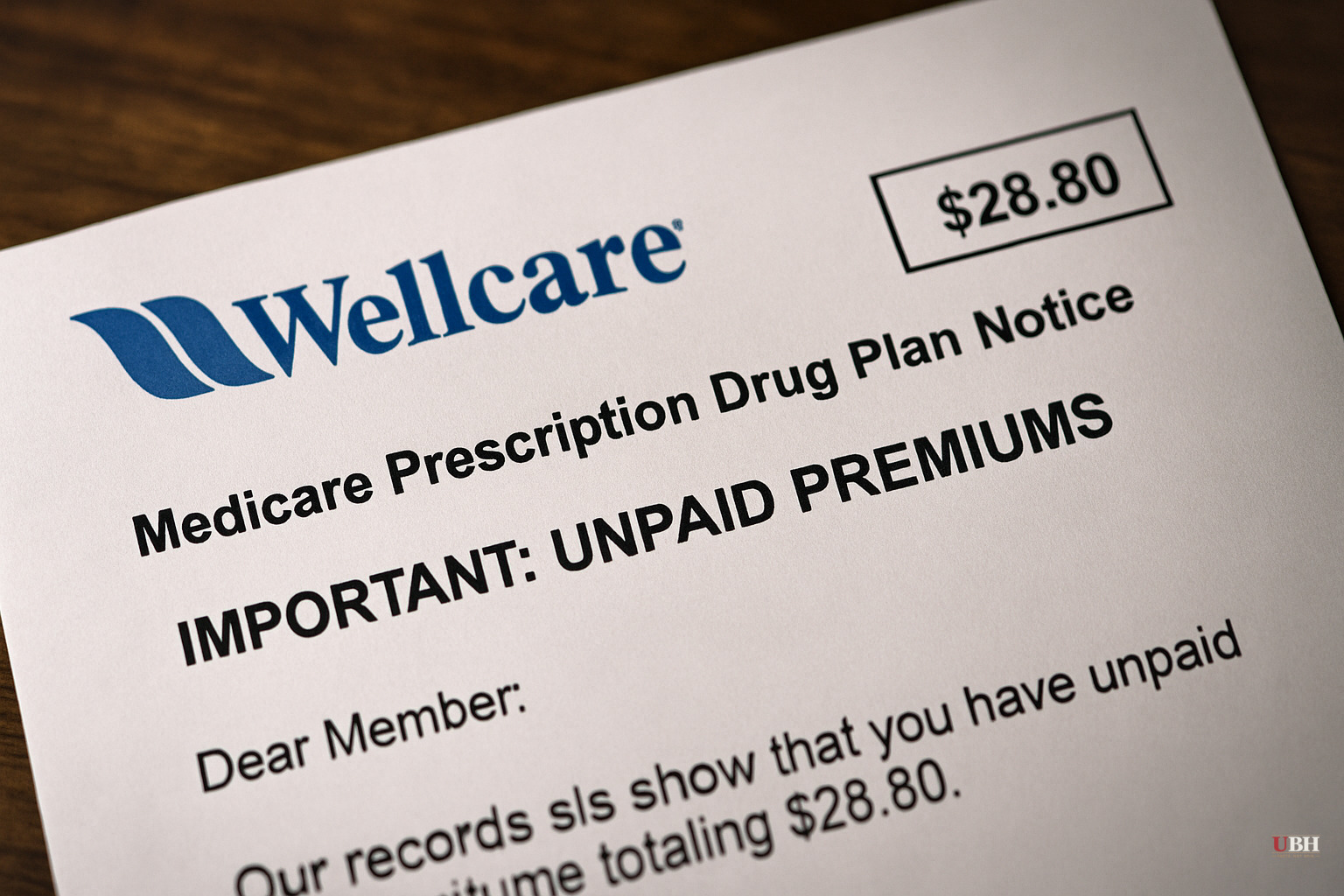
A $28.80 Bill. A Canceled Plan. No Blood Thinner.
Jude Pare, 77, spends winters in Arizona with his partner, Diane Tix. His Medicare prescription drug plan through Wellcare had a $0 monthly premium until it didn't. Pare says he received no notice that his premium had changed. By the time he and Tix returned to rural Minnesota in April, Wellcare had already terminated his coverage for three months of unpaid premiums totaling $28.80.
Pare takes Xarelto, a blood thinner that reduces his risk of strokes, blood clots, and pulmonary embolism. "He could bleed to death without it," Tix told NPR. A 90-day supply runs about $1,800 using a GoodRx discount coupon.
He cannot re-enroll in a Medicare drug plan until fall open enrollment, meaning any coverage won't begin until January 2027.
How This Happened to Thousands of People
Pare is not an isolated case. Tens of thousands of people enrolled in Wellcare's Value Script drug plan face the same situation, according to NPR's reporting. The plan had been one of Medicare's most popular partly because of its zero-dollar premium, an attractive option for seniors on fixed incomes.
When commercial insurers raise premiums mid-enrollment cycle and beneficiaries don't catch the change, Medicare's rules leave them no grace period. Three months of non-payment triggers termination. The bureaucratic mechanism that's supposed to protect the program from non-payers ends up punishing people who simply never got the bill.
The Centers for Disease Control and Prevention reports that nearly 90% of Medicare beneficiaries take one or more prescription drugs. Almost half live with four or more chronic conditions. For this population, losing drug coverage isn't an inconvenience. It can be a medical emergency.
The Problem Could Get Much Bigger
A KFF Health News analysis of drug plan data found that thousands of people enrolled in zero-premium plans from Wellcare and other insurers across 32 states and Washington, D.C., could face identical situations next year if 2027 premiums rise and enrollees aren't properly notified. Plan premium changes for 2027 are scheduled to be announced in September.
Medicare's Part D prescription drug benefit has been administered by commercial insurers competing for roughly 56 million enrollees since Congress created the program in 2003. That competition drove premiums down, sometimes to zero, but it also created the conditions for this failure. When a plan's economics shift and premiums go up, the notification system apparently didn't work for Pare and thousands of others like him.
Medicare's Defense and Its Limits
Medicare's rules requiring premium payment aren't arbitrary. The program needs a functioning enrollment and billing system to remain sustainable, and a strict non-payment policy deters gaming. Insurers send notices through standard mail, and Medicare itself sends annual plan change notifications. From that perspective, the system did what it was designed to do: Pare's plan sent notification, he didn't receive it, and the termination followed the written rules.
That defense runs directly into what actually happened. Mail forwarding failed during a seasonal move. A 77-year-old didn't catch a billing change. Coverage for a life-sustaining medication was canceled over less than $30. A notification system that can quietly drop tens of thousands of seniors for trivial unpaid balances may not be fit for purpose.
No Investigation, No Federal Intervention Announced
As of July 6, 2026, no federal investigation into Wellcare's notification practices has been announced, and no charges have been filed. The Centers for Medicare and Medicaid Services has not publicly announced any corrective action specific to this situation. Whether CMS has or will require insurers to implement stronger outreach before terminating coverage remains an open question.
For Pare, the immediate question is whether he can obtain Xarelto at a manageable out-of-pocket cost through GoodRx or a manufacturer patient assistance program for the remainder of 2026, while Medicare's re-enrollment window stays closed until fall.
Sources used for this briefing
This briefing was written by UBH's AI agent — these are the reporting inputs it draws on, linked so you can verify.


