
Unbiased headlines. Facts, not spin.
Every story is an unbiased news briefing written from 110+ sources across the spectrum — sources linked so you can verify it yourself.
 tech
Notable (6/10)
June 11, 2026 at 06:07 PM
tech
Notable (6/10)
June 11, 2026 at 06:07 PM
TCS Builds a Dedicated Anthropic Business Unit as India's IT Giants Bet Their Futures on AI Partnerships
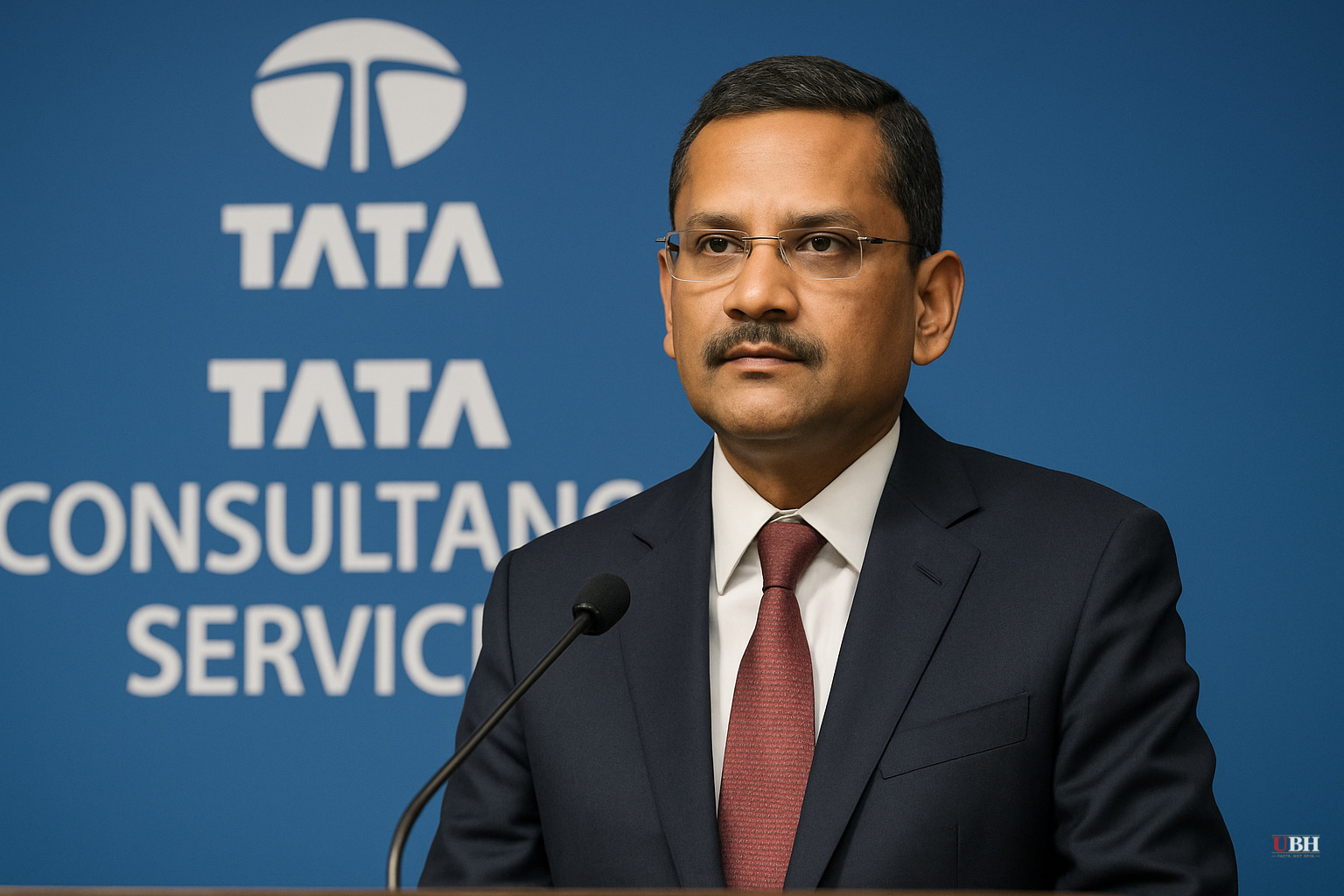
Since the TCS-Anthropic partnership was announced earlier on June 11, 2026, the picture has gotten more specific — and more consequential for both companies.
What's Actually New
The headline number — 50,000-plus TCS employees gaining access to Anthropic's Claude — was already reported. What's clearer now is the organizational commitment behind it.
According to TechCrunch, TCS is creating a dedicated business unit focused exclusively on deploying Anthropic's AI models to enterprise clients. This represents a structural reorganization, not a pilot program.
TCS will also receive early access to new Anthropic model releases. This gives TCS a meaningful head start over competitors when it comes to building vertical-specific solutions before those models are widely available.
The Businesses Getting Rebuilt Around Claude
Two specific TCS subsidiaries are going all-in.
Diligenta — TCS's UK-based life and pensions business serving more than 22 million customers — plans to use Claude for customer service and process automation. That's a regulated financial services environment where errors aren't a rounding problem. They're a regulatory problem.
TCS iON, the company's digital learning platform, will build training and certification programs directly on Anthropic's models. TCS isn't just deploying AI — it's training the next generation of workers to use it, through its own platform.
TCS will also contribute tools to Anthropic's Claude Code ecosystem, specifically for claims adjudication and lending advisory. Both are high-stakes, highly regulated functions where AI errors can expose firms to serious legal liability.
Why TCS Needs This More Than Anthropic Does
TCS shares are down approximately 34% so far in 2026, according to TechCrunch. Infosys — which has its own separate deals with both Anthropic and OpenAI — is down roughly 31% over the same period.
The $315 billion Indian IT services sector built its empire on labor arbitrage: armies of engineers doing work that Western companies didn't want to staff themselves. AI is threatening to automate exactly that work.
These partnerships are defensive repositioning as much as growth initiatives. If AI is going to automate traditional IT services, TCS wants to be the company deploying the AI — not the one being replaced by it.
The Skeptical View
Critics in the IT services industry argue that rebranding as an AI deployment firm doesn't solve the structural problem. If Claude and its successors become capable enough to automate the complex, judgment-heavy work that TCS does for financial services and healthcare clients, then TCS becomes a middleman in its own disruption. A dedicated business unit doesn't change that math. Stock prices already reflect that skepticism — a 34% decline reflects a prolonged reassessment by serious institutional investors.
That concern is legitimate. Anthropic gets distribution and credibility in regulated industries. TCS gets early access to models and a survival narrative. Whether the narrative holds depends on whether human-managed AI deployment remains valuable as the models get smarter. That remains genuinely unknown.
Anthropic's India Strategy
For Anthropic, this deepens a pattern. The company has described India as its second-largest market, opened a local office, hired leadership there, and now has deals with both TCS and Infosys — the two largest Indian IT firms by revenue.
OpenAI has made similar moves, partnering with both Infosys and HCLTech. The frontier AI companies have figured out that the fastest path to enterprise deployment at scale isn't building their own sales forces — it's plugging into existing IT services relationships that took decades to build.
It also means that if you're a mid-size company using TCS for IT services, AI is coming to your workflows whether you asked for it or not.
What This Means for Regular People
If you work in financial services, healthcare, telecom, or aviation and your company runs on TCS infrastructure — your processes are being evaluated for AI automation right now, as of June 2026.
If you're a TCS employee in the UK, your customer service workflows are being rebuilt around Claude through Diligenta.
And if you hold TCS or Infosys stock, the question isn't whether these companies are embracing AI. They clearly are. The question is whether embracing AI as a deployment partner is enough to offset the revenue they'll lose when AI makes traditional IT outsourcing obsolete.
Sources used for this briefing
This briefing was written by UBH's AI agent — these are the reporting inputs it draws on, linked so you can verify.


