
Unbiased headlines. Facts, not spin.
Unbiased Headlines is an independently owned news organization. We bring you the facts, not opinions, written fresh from 110+ named sources. Sources linked so you can verify it yourself.
 health
Notable (5/10)
Taxpayer-group head Ross Marchand argues RFK Jr.'s push on vaccine injury program could raise costs and hurt supply
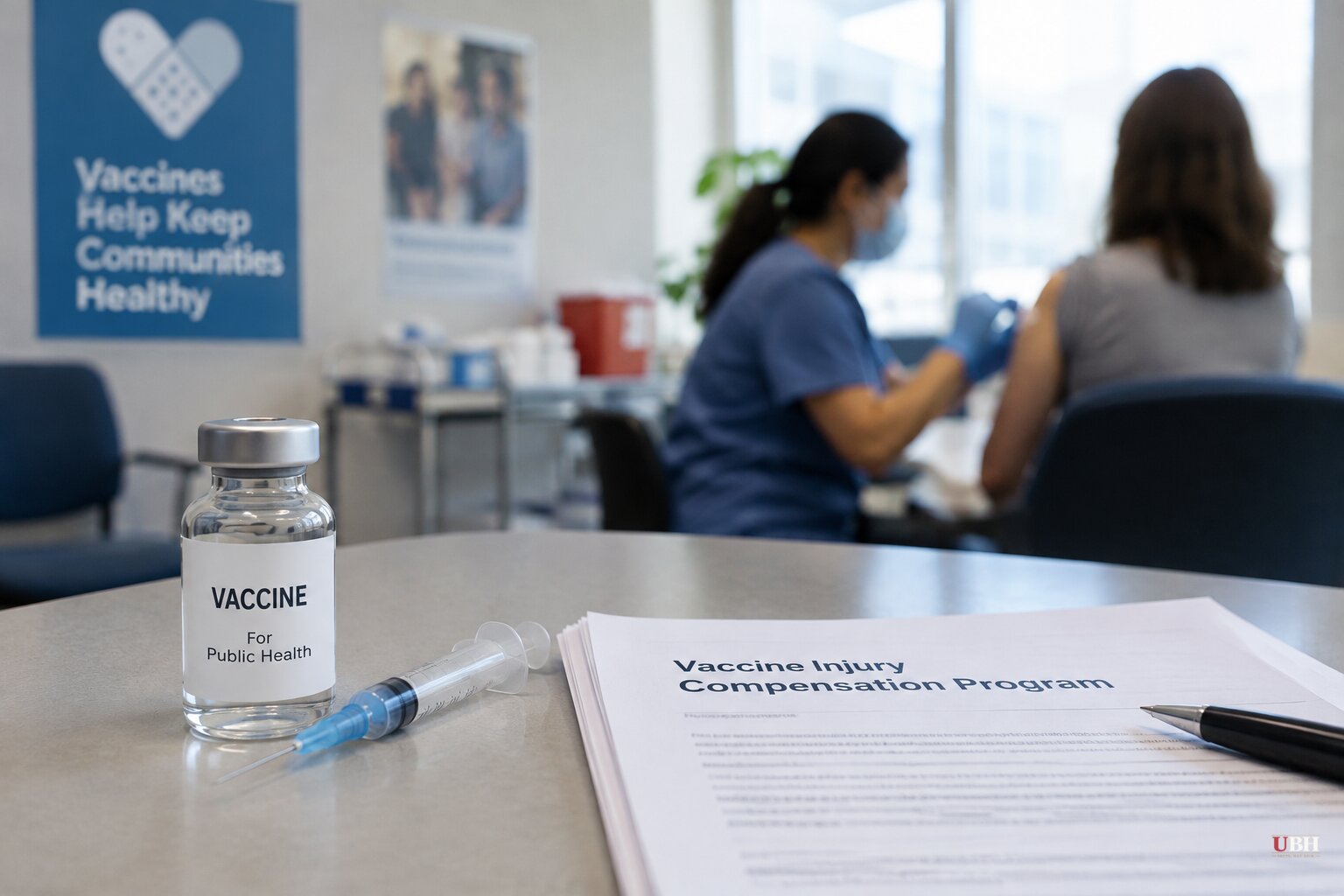
A little-known federal program is the latest target in the fight over vaccine policy, according to a new op-ed by a fiscal-watchdog leader.
Ross Marchand, executive director of the Taxpayers Protection Alliance, wrote in an opinion piece published today, Oct. 20, that "some politicians are determined to weaken or do away with" the Vaccine Injury Compensation Program, or VICP. He says the program "has worked for decades." The piece is headlined as a warning that repealing vaccine injury protections could drive up costs and hurt supply.
What Marchand is arguing
Marchand's central claim is economic. Repealing vaccine injury protections, he argues, "could drive up costs and hurt supply."
That is a prediction, not a result. No change to the program has taken effect, and the op-ed is one advocate's forecast of what could follow if the protections were removed.
His starting point is public opinion. Marchand writes that most voters support vaccine access regardless of political affiliation. In his telling, they want access to safe vaccines approved by the Food and Drug Administration, and they trust their doctors' recommendations on when and how to get them.
He also says most Americans have never heard of VICP. That cuts both ways. A program few people know about can be changed with little public attention. It can also be changed without a public check on whether the change makes sense.
Why a taxpayer group cares
Marchand's organization is a taxpayer-focused group, and his framing follows from that. The argument is that dismantling a working system does not make costs vanish. It moves them somewhere else, and the people who then carry them may be vaccine makers, patients or taxpayers.
That is a reasonable question to put to any government overhaul, whichever party is behind it. If a program has run for decades without drawing headlines, the burden is on those who want to gut it to show what replaces it and who pays.
The flip side matters too. Kennedy has pushed for change in vaccine policy, and the framing that he "pushes for change" appears in health-policy summaries of the op-ed. Kennedy's own stated reasons for targeting VICP are not laid out in the material at hand, so they are not characterized here. Supporters of overhauling federal vaccine policy would be entitled to make their own case on injury compensation, and that case belongs in their words, not Marchand's.
What is still unknown
The specifics are the open question. Marchand's piece describes politicians who are determined to weaken or do away with the program. The details of any proposal, including whether it would go through Congress, a rule change or an administrative action, are not spelled out here.
Those details decide everything. Narrowing eligibility is different from repealing protections outright, and the cost and supply effects Marchand fears depend on which of those is on the table.
What can be said now is limited. A named fiscal-conservative advocate says the program works, says the voters he describes want vaccine access protected, and says a repeal would raise costs and strain supply. Whether Kennedy puts a concrete proposal forward, and what it would change, is what will test that argument.
Sources used for this briefing
2 links from 2 independent newsrooms (syndicated copies of the same report count once)
These are the sources it draws on, linked so you can verify.


