
Unbiased headlines. Facts, not spin.
Unbiased Headlines is an independently owned news organization. We bring you the facts, not opinions, written fresh from 110+ named sources. Sources linked so you can verify it yourself.
 health
Major Story (7/10)
Event date: October 15, 2026 ·
health
Major Story (7/10)
Event date: October 15, 2026 ·
Taiz Dialysis Center Has 14 Days of Generator Fuel as Yemen Siege Cuts Hospital Supplies, Officials Say
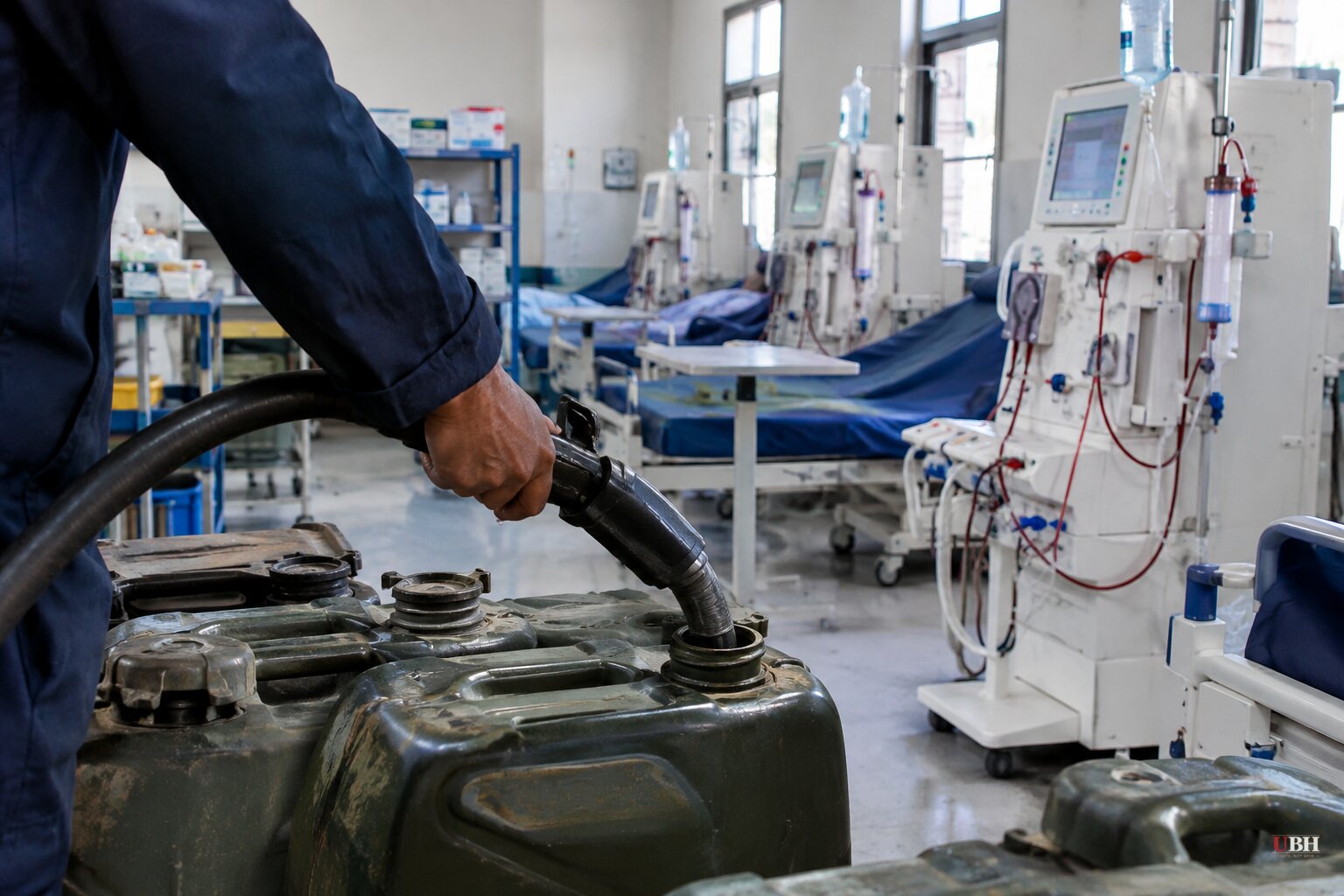
The humanitarian situation in Taiz, Yemen's besieged southwestern city, is deteriorating fast. Fighting between the Houthis and the internationally recognized government has cut off food, fuel and medicine, and hospital officials say the clock is already running.
At Al-Thawra General Hospital, the city's largest medical facility, the kidney center treats 420 patients who depend on regular dialysis. Its backup generators hold only 14 days of fuel, according to the center's director, Dr. Youssef al-Zakri. He warned that without continuous treatment, those patients face certain death once the fuel is gone.
How the siege tightened
The squeeze follows a rapid run of battlefield changes. The Houthis took the coastal city of Mocha on Sept. 10 in a surprise offensive, then captured At Turbah, which cut a major road linking Taiz city to other government-held areas.
The government launched a Saudi-backed counteroffensive on Oct. 4, which it calls Operation "Dawn of Yemen." Information Minister Moammar al-Eryani said government forces seized key positions near the Bab el-Mandeb Strait, a waterway that carries roughly 12 percent of global shipping. President Rashad al-Alimi said the offensive followed exhausted attempts at de-escalation.
The Houthis, designated a foreign terrorist organization by the United States, called reports of government gains "completely untrue." They said they fired ballistic missiles and drones at Saudi Aramco sites, including the Khurais oil field and facilities in Riyadh.
Houthi fighters have encircled Taiz since early October and blocked the main supply road to Aden, the government's interim capital, according to local health officials. That road carried commercial goods and humanitarian aid.
What hospitals are reporting
Yemen's Ministry of Public Health and Population issued a warning on Oct. 11 calling the situation an "imminent health and humanitarian catastrophe." It said medicines, intravenous fluids, medical equipment and fuel were "nearing depletion." Emergency care, surgery, intensive care, dialysis and neonatal services could stop, the ministry said.
Fuel is the choke point. Generators, ambulances and vaccine cold chains all depend on it. The ministry warned of "severe complications and preventable deaths" and asked the UN and aid groups for medicine, oxygen, supplies and fuel.
Ilan Abdulhaq, Taiz's deputy governor for health affairs, said most medical facilities in the governorate face imminent closure for lack of diesel. She also cited severe medicine shortages that cannot be filled under the blockade.
Patients describe the same thing from the other side of the counter. Fadl al-Bukhari, who has a chronic heart condition, said local pharmacies routinely cannot fill prescriptions and blamed the blockade for the missing imported drugs.
Prices and disease
Nabil Jamil, director-general of the government's planning and development office in Taiz governorate, said the current siege is "more comprehensive and its impact more severe than in 2015," a reference to the earlier siege of 2015 and 2016. He put the population of government-held areas of the governorate at about 2.8 million, plus 200,000 recently displaced people.
Jamil said black-market fuel jumped from 30,000 to 90,000 Yemeni riyals for a 20-liter container. "We are still waiting for a response or intervention on the ground," he said on Oct. 11.
The United Nations has warned that clashes and displacement are choking access to food, clean water and health care. In Taiz, fuel prices have reportedly tripled, cooking gas is scarce, and food prices are up around 50 percent. Wheat and flour stocks could run out in less than three weeks, according to the UN warning.
Disease is climbing alongside. The World Health Organization has reported more than 8,000 suspected cholera cases this year, a quarter of them in the past four weeks. It also counts more than 22,800 suspected measles cases and 128 measles deaths, with concern over falling vaccination coverage.
The International Committee of the Red Cross has said hospitals across Yemen are overwhelmed by the most intense fighting the country has seen in years, with recent clashes in Taiz governorate and along the Red Sea coast producing hundreds of combatant casualties.
What comes next
The warnings come from the Yemeni government, a party to the war, and from local health officials who live under the siege. The UN and WHO figures cover fuel, food and disease. The Houthis have disputed government battlefield claims but have not been quoted on the Taiz blockade itself.
The near-term deadlines are concrete. The dialysis center's fuel runs out in about two weeks from al-Zakri's warning. UN projections put wheat and flour exhaustion inside three weeks. Whether fuel convoys can reach Taiz before either date depends on a supply road that remains cut and a front line that moved again this month.
Sources used for this briefing
7 links from 6 independent newsrooms (syndicated copies of the same report count once)
These are the sources it draws on, linked so you can verify.


