
Unbiased headlines. Facts, not spin.
Unbiased Headlines is an independently owned news organization. We bring you the facts, not opinions, written fresh from 110+ named sources. Sources linked so you can verify it yourself.
 health
Notable (6/10)
health
Notable (6/10)
Democrats' Report: Trump Portfolio's Pharma Stock Holdings Rose to as Much as $56.2 Million; White House Denies Conflict
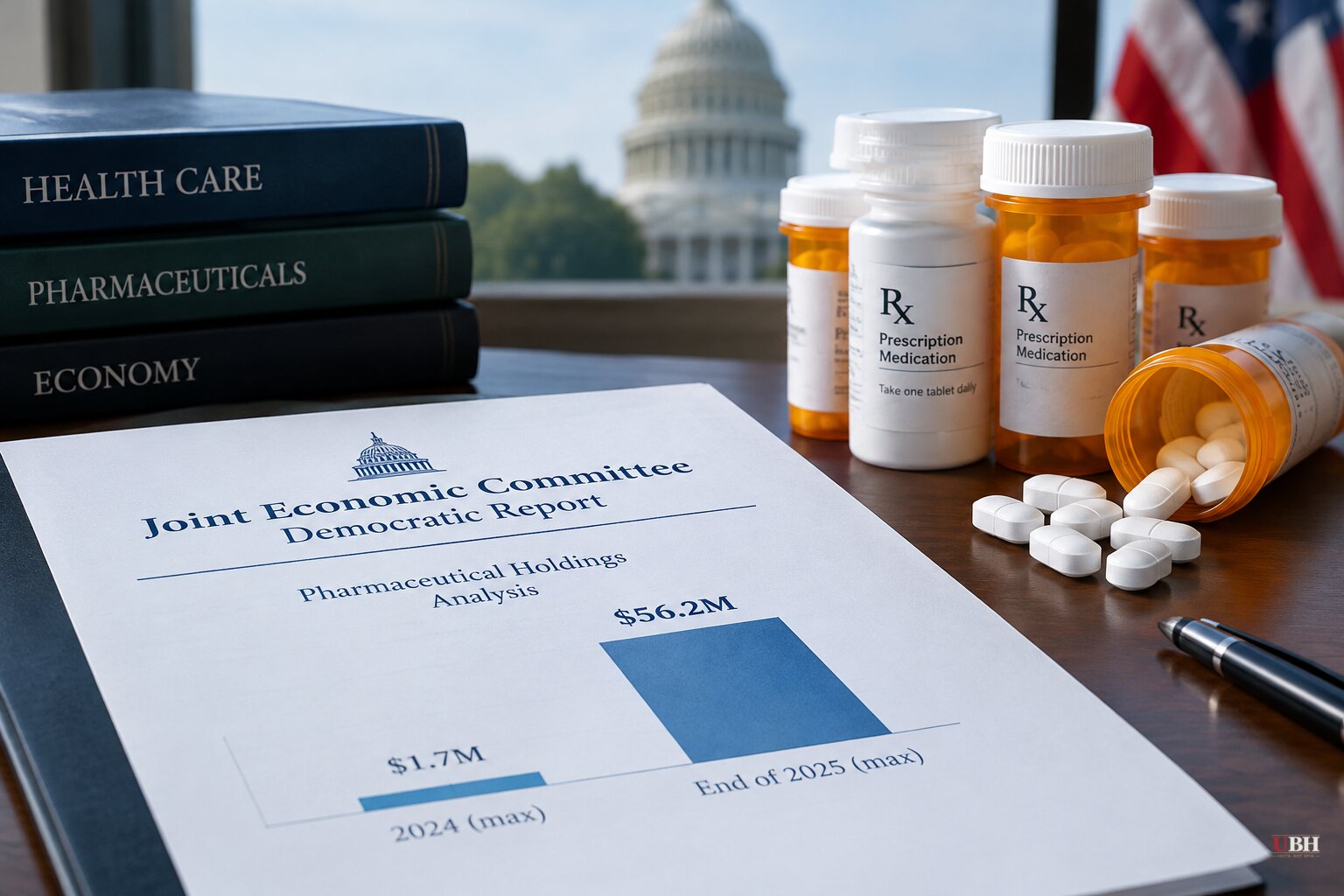
The Democratic minority of the Joint Economic Committee released a report today, Oct. 16, claiming that investments made on behalf of President Donald Trump in drug companies grew sharply after he returned to the White House. The report was produced by congressional Democrats. Its numbers come from Trump's financial disclosures, and its conclusions are theirs.
What the report says
The report found that Trump's pharmaceutical stock holdings grew from a maximum reported value of $1.7 million in 2024 to as much as $56.2 million at the end of 2025.
Of that, up to $39.1 million was stock in companies that benefited from exemptions to Medicare's drug price negotiation program. The exemptions came through a provision in Republicans' 2025 tax and spending law.
These are ceilings, not exact figures. Federal disclosures report holdings and transactions in ranges, so "as much as" is the accurate way to read every number here.
The timing
Additional analysis provided by committee Democrats says Trump's investment portfolio bought as much as $2.55 million in shares of drugmakers benefiting from the exemptions on three dates before he signed the legislation in July 2025.
That includes up to $950,000 in purchases on July 1, 2025, the day the Senate passed the bill. The portfolio also bought as much as $1 million in AbbVie stock in August 2025, after the bill became law.
Purchases before he signed the bill are the part Democrats are highlighting. Purchases after the bill became law are a different matter, and the report's timeline does not blur them together.
The policy itself
The report also says the exemptions could leave some Medicare beneficiaries paying thousands of dollars more for certain cancer treatments and other medications than they would if Medicare had been allowed to negotiate lower prices. That is the report's projection.
The findings land as Trump has made lower prescription drug costs a centerpiece of his health policy. His administration says the deals it has struck with drugmakers will make medications more affordable. Drug pricing runs on a complicated set of factors, and a single exemption does not settle what patients pay.
The White House response
White House spokesperson Davis Ingle said Trump's stock and bond portfolio is independently managed by third-party financial institutions. He denied any conflict of interest.
The White House has repeatedly denied ethics problems and has accused Democrats of "attempts to fabricate conflicts of interest."
That is the strongest defense on the table, and it is a factual claim about how the account works. If outside managers made the trades without direction from Trump or his family, the timing is a coincidence of the managers' strategy. If they did not, that is a different story. Nothing in the report as released establishes which it is.
Sen. Maggie Hassan, the Democrat who leads the committee's minority arm, called the findings "outrageous and yet typical from this president, who makes the American people foot the bill again and again for his own gains."
The political backdrop
The president's wealth has grown since he took office last year through a web of business interests, many of which have benefited from his administration's policy moves. Recent AP-NORC polling shows most Americans think Trump is profiting off the presidency in unethical or illegal ways and is focused more on his wealth than on helping people like them.
The poll measures perception, not wrongdoing. But the perception exists, and a presidential portfolio that holds large positions in an industry his own policies regulate feeds it regardless of who is picking the stocks.
Did anyone with influence over the portfolio's trades have a view on the 2025 law's contents before it passed, and who authorized the purchases? The report, which comes from Democrats, claims the pattern is troubling. The White House says the president has no ability to direct the trades. Whether anyone beyond the minority party pursues the question is not yet known.
Sources used for this briefing
7 links from 7 independent newsrooms (syndicated copies of the same report count once)
These are the sources it draws on, linked so you can verify.


