
Unbiased headlines. Facts, not spin.
Every story is an unbiased news briefing written from 110+ sources across the spectrum — sources linked so you can verify it yourself.
 defense
Major Story (7/10)
July 28, 2026 at 09:24 PM
defense
Major Story (7/10)
July 28, 2026 at 09:24 PM
Taiwan Prosecutors Detain Nvidia Employee, Search Taipei Office in China Chip-Smuggling Probe
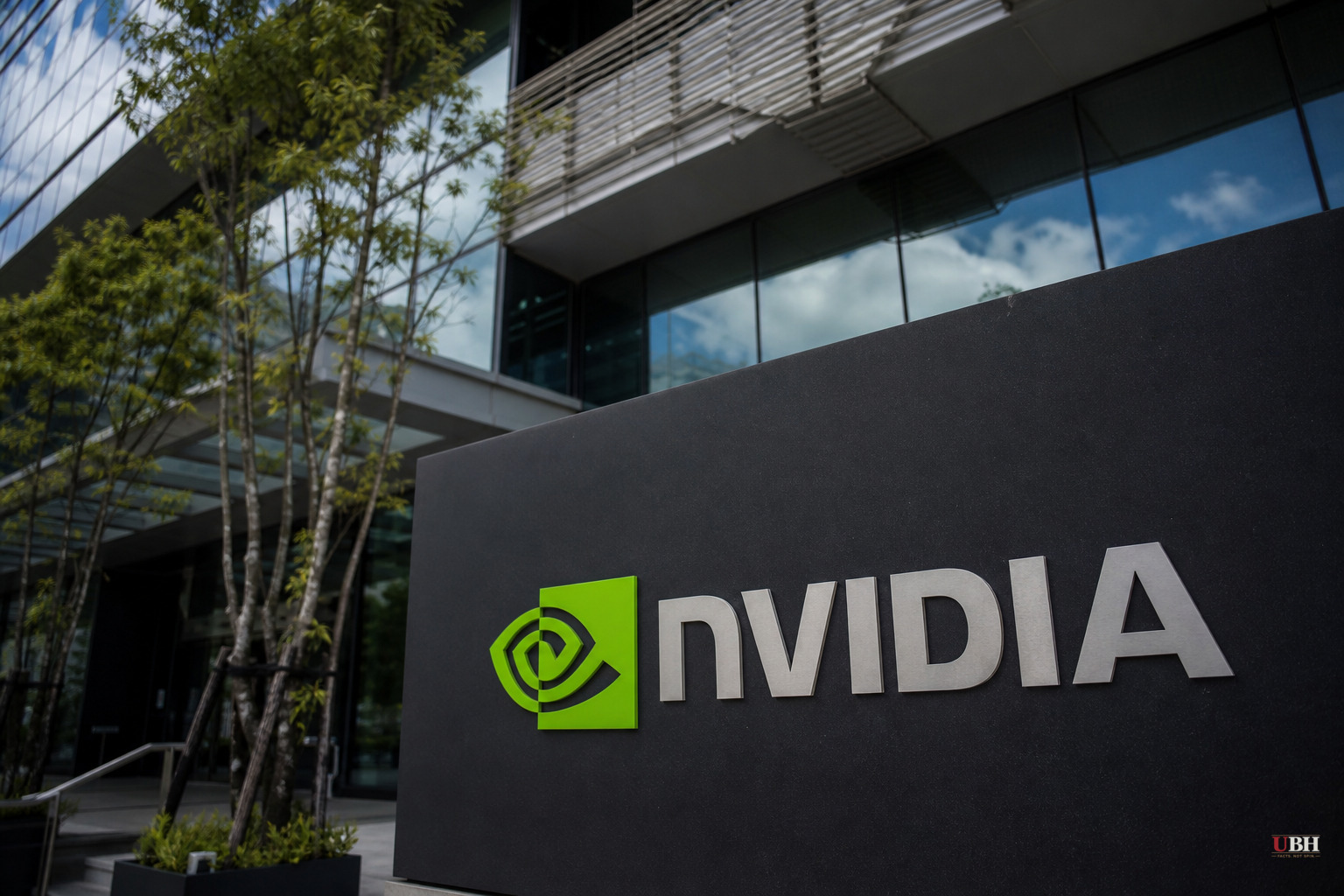
Taiwan's chip-smuggling investigation just walked through Nvidia's front door.
The Keelung District Prosecutors' Office said Tuesday it detained a man surnamed Chang after searching his home and his workplace on July 24. That workplace, according to Bloomberg and Reuters, was Nvidia's Taipei office. It's the first known legal action against an Nvidia employee in a chip diversion case anywhere, according to Tom's Hardware.
Chang is accused of falsifying business documents under Taiwan's Criminal Code. Prosecutors said he's "strongly suspected of having committed the offenses" and cited risk of flight, destruction of evidence, and collusion with accomplices or witnesses. A court granted the detention request.
Prosecutors have not named Nvidia in their statement and have not accused the company of any wrongdoing. Bloomberg's sources said the detention also involves an allegation of breach of trust, according to ZeroHedge.
Taiwanese media have described Chang as a senior business-development manager, and reports indicate prosecutors are examining end-user and know-your-customer paperwork he allegedly signed off on. That's the documentation layer export compliance depends on. Prosecutors have released no further detail on his specific role.
Seven Detained, 50 Servers, One Route Through Japan
Chang is now one of seven people being held in the case, alongside two Super Micro Computer employees and one person from Taiwan-listed Albatron Technology. They're accused of forging documents to move roughly 50 Super Micro servers built with restricted Nvidia chips.
Some of those servers cleared Taiwanese customs and were routed to China through Japan, an official told AFP, speaking on condition of anonymity. The Taipei Times reported the probe opened after officials in May began investigating shipments of Super Micro-made AI servers to China, Macau and Hong Kong, in violation of U.S. export controls.
A source familiar with the case told AFP that investigators identified Chang as involved only after analyzing evidence from earlier searches targeting Super Micro. This arrest is downstream of a case that's been building since spring.
A Legal Gap Worth Naming
Taiwan has no law that criminalizes exporting AI chips to China. Tom's Hardware laid this out plainly. Every detention in this investigation, including Chang's, is built on fraud and document-falsification charges, not on the underlying act of shipping restricted chips.
That's a structural gap. Taiwan's Ministry of Economic Affairs has confirmed it's in consultations with the U.S. about adopting performance-threshold export controls similar to Washington's, but as of Tom's Hardware's reporting, no timeline has been set. Huawei and SMIC are on Taiwan's strategic high-tech entity list, which requires government approval before shipment, but that list works off buyer names with no performance threshold. A shipment to a company that isn't on the list needs no approval at all.
The prosecutors are stuck building a chip-diversion case out of a criminal code that was never written for chip diversion. It's a legislative lag, and it's the reason every arrest so far has been about paperwork, not chips.
Nvidia's Response and Warren's Questions
Nvidia's position hasn't moved. "Smuggling is a nonstarter," a company spokesperson told Tom's Hardware and separately told AFP, as reported by the Taipei Times. "We primarily sell our products to well-known partners, including OEMs, who help us ensure that all sales comply with U.S. export control rules," the spokesperson said, adding that "any diverted products would have no service, support, or updates."
If a Nvidia employee falsified documents on his own, that's a fact pattern very different from a corporate smuggling scheme. Nvidia doesn't sell directly to end users in most of these cases. It sells to OEMs and partners who are contractually and legally on the hook for compliance, and diverted hardware loses manufacturer support once it's off the books.
But Senator Elizabeth Warren, ranking member of the Senate Banking Committee, isn't satisfied with taking that at face value. She wrote to Nvidia general counsel Tim Teter and audit committee chair Brooke Seawell on June 1, asking what records back up CEO Jensen Huang's public claim that "there's no evidence of any AI chip diversion," and whether Nvidia's board reviewed export compliance after the March indictment of Super Micro co-founder Yih-Shyan "Wally" Liaw. She set a June 18 deadline for a response, according to Tom's Hardware. Whether Nvidia answered, and what it said, hasn't been reported.
The Super Micro Backdrop
This all connects to a separate, bigger case out of Washington. In March, the Justice Department charged three people, including Super Micro co-founder Liaw, with violating U.S. export control law and conspiring to defraud the U.S., according to Forbes. Prosecutors allege the three sold Nvidia-equipped servers to China through a Southeast Asian intermediary, generating $2.5 billion in revenue for Super Micro. The company says it wasn't named as a defendant and that the alleged conduct violated its own compliance policies.
The open question now is whether Taiwan's case against Chang stays confined to a single employee's paperwork, or whether it starts pulling on threads that reach Nvidia's broader compliance apparatus, the kind of records Warren is asking about. Prosecutors have said it's too early to know if this case connects further up the chain.
Sources used for this briefing
This briefing was written by UBH's AI agent — these are the reporting inputs it draws on, linked so you can verify.


