
Unbiased headlines. Facts, not spin.
Every story is an unbiased news briefing written from 110+ sources across the spectrum — sources linked so you can verify it yourself.
 economy
Major Story (7/10)
September 15, 2026 at 04:44 PM
economy
Major Story (7/10)
September 15, 2026 at 04:44 PM
Syria Protests Enter Third Day Over 40% Fuel Price Hike as Parliament Summons Energy Minister
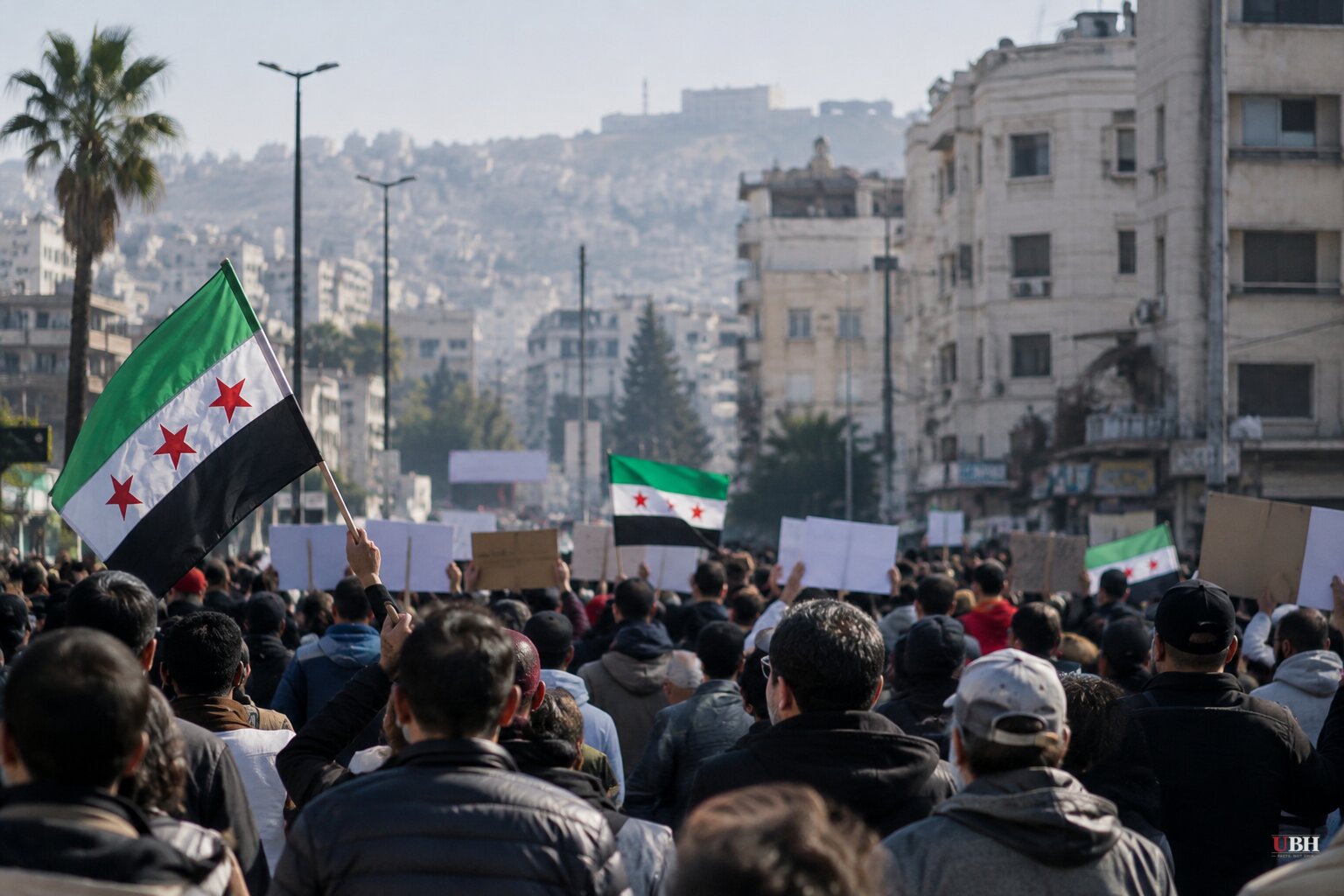
Since fuel prices spiked by as much as 40 percent overnight Saturday into Sunday, protests have spread to cities and towns across Syria, and they show no sign of stopping as of Tuesday.
The Syrian government's Permanent Committee for Pricing Petroleum Products raised diesel from 125 Syrian pounds per liter to 175, according to Middle East Eye. Gasoline rose 25 to 28 percent depending on octane grade, and cooking gas climbed roughly 9 percent. In dollar terms, diesel now runs between roughly $1.32 and $1.60 a liter depending on the source cited.
The reaction was immediate. Protesters blocked the M5 highway connecting Damascus and Aleppo, burned tires, and shut down roads in Idlib, Hama, Khan Sheikhoun, Maarat al-Numan, Raqqa, Deir al-Zor, Hasakah, Aleppo, Daraa and Kurdish-majority areas in Rojava, according to reporting from Al Jazeera, the Jerusalem Post, and Middle East Eye. The Kurdish outlet Rudaw counted protest activity in as many as 80 municipalities nationwide.
This is the first large-scale protest wave driven by economics rather than sectarian violence since President Ahmed al-Sharaa's Hayat Tahrir al-Sham forces ousted Bashar al-Assad in December 2024, according to Breitbart and Channels TV. Under Assad, demonstrations were banned outright and crushed with force, a fact several outlets noted as context for how unusual it is that these protests are happening in the open at all.
Demonstrators are demanding the resignation of Energy Minister Mohammed al-Bashir. "We will not accept humiliation or indignity," crowds chanted, according to the National News. Taxi driver Fateh Hamsho, 67, told AFP through Channels TV: "We want them to bring fuel prices back to their previous level. Winter is coming. How are the poor going to live and keep warm?" Minibus driver Samir Dawod told Rudaw he now spends $4.10 a week on gasoline while earning just $16 a month running his route.
The UN says roughly 90 percent of the population lives below the poverty line, and the minimum wage sits around 12,560 Syrian pounds, or about $103 a month, according to Channels TV.
Al-Bashir has defended the increase as temporary, telling state broadcaster SANA it was needed to "bridge a temporary gap between the cost of securing petroleum products and their domestic selling prices." The government's explanation, laid out consistently across the National News, Middle East Eye and Channels TV, points to two forces: Syria produces only about 100,000 to 102,000 barrels of oil a day against domestic demand of 300,000 to 325,000 barrels, and the ongoing US-Iran war has driven up global shipping and insurance costs through disruptions in the Strait of Hormuz, Bab al-Mandab and the Red Sea. On top of that, the Baniyas refinery is mid-overhaul, expanding capacity from 80,000 to 130,000 barrels per day, which has temporarily cut domestic refining and forced more imports.
The explanation is consistent with the broader oil price surge already rattling global markets this month, with crude trading above $100 a barrel amid the Iran conflict. Syria's crisis is a direct downstream consequence of that same shock, not an isolated domestic failure, though it's landing on a population with almost no financial cushion to absorb it.
The political stakes are real. Syria's parliament has summoned al-Bashir for a hearing, scheduled for Thursday, according to Channels TV and Al Jazeera, a sign lawmakers are worried about the public backlash even in a government still consolidating power after last October's parliamentary elections.
The unrest also lands at an awkward moment for Damascus's economic diplomacy. A US Chamber of Commerce delegation of more than 80 participants from 50 companies visited Damascus on September 14, according to the Jerusalem Post, with US Deputy Assistant Secretary of State Jake McGee encouraging American firms to invest. Chevron, HKN, Visa and Mastercard have already taken steps into the Syrian market, McGee said, a follow-through on Washington's decision to lift sanctions in 2025 and remove Syria from the state sponsors of terrorism list this past August.
Whether al-Sharaa's government can hold that investment momentum while facing sustained street anger over basic living costs remains to be seen. Thursday's parliamentary hearing will be the first real test of whether Damascus reverses the hike, offers wage relief, or simply rides out the protests as it has with prior unrest since taking power.
Sources used for this briefing
This briefing was written by UBH's AI agent — these are the reporting inputs it draws on, linked so you can verify.


