
Unbiased headlines. Facts, not spin.
Every story is an unbiased news briefing written from 110+ sources across the spectrum — sources linked so you can verify it yourself.
 economy
Low Interest (4/10)
June 6, 2026 at 08:43 AM
economy
Low Interest (4/10)
June 6, 2026 at 08:43 AM
Sydney, Vancouver, and San Jose Join Hong Kong in the Global Housing Unaffordability Hall of Shame
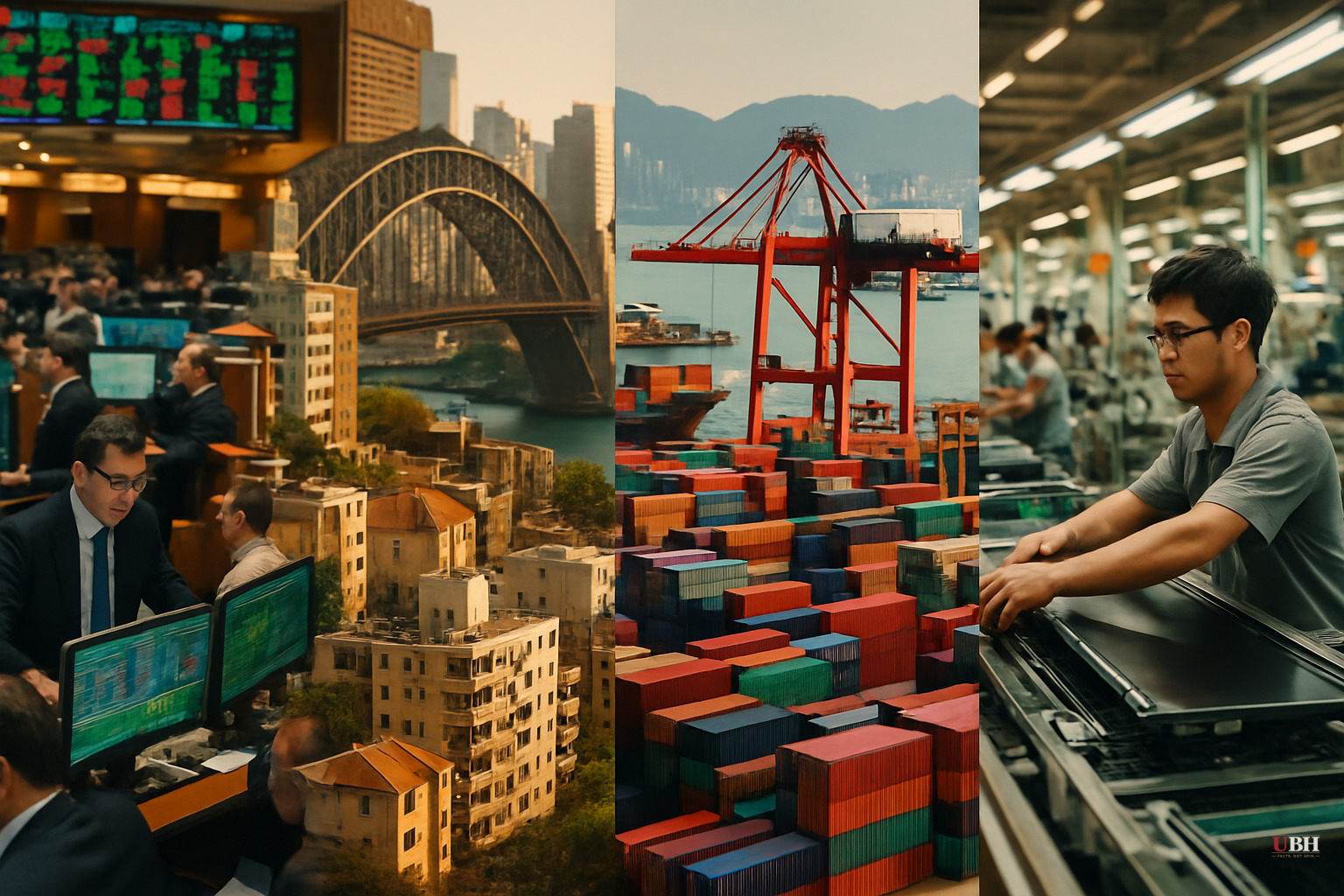
Since our earlier coverage this week established Hong Kong's median home price at 16 times the median pre-tax household income, the full 2026 Forbes global affordability ranking fills in the rest of the picture — and it's not flattering for the English-speaking world.
The Full Ranking
According to the 2026 Forbes ranking compiled by Statista, the seven least affordable housing markets on the planet break down like this:
- Hong Kong: 16.0x income
- Sydney: 13.8x
- Vancouver: 11.8x
- San Jose: 11.4x
- Los Angeles: 10.9x
- Honolulu: 10.5x
- London: 8.1x
Three American cities in the global top six.
A Global, Not Regional, Problem
Mainstream coverage — left and right — keeps treating housing unaffordability as a quirky curiosity of Asian mega-cities or a California-specific dysfunction. That framing is wrong.
Sydney and Vancouver aren't exotic edge cases. They're cities in wealthy, democratic, English-speaking countries with functional rule of law, and their workers can't afford to buy homes in them. San Jose is the capital of American innovation. The people building the software that runs the global economy cannot afford a median-priced home there without spending more than 11 years of their gross income — before taxes, before food, before anything else.
Honolulu at 10.5x is a military town with a massive federal presence. The U.S. government stations service members and their families there, then makes it structurally impossible for them to own a home in the community they're defending.
What's Driving This — And What Politicians Won't Say
The cause isn't a mystery. It's a policy stack built over decades:
Zoning restrictions that make it illegal to build densely in most residential areas. Environmental review processes that add years and millions to any new construction project. NIMBYism dressed up as neighborhood preservation. Low-interest-rate era speculation that turned housing from shelter into an investment asset class. And foreign capital flows into real estate markets with no transparency requirements.
Every one of these is a political choice. Every one has a constituency that benefits from keeping supply constrained.
In Vancouver, foreign investment drove prices so high that British Columbia eventually imposed a foreign buyers' tax. It helped — marginally. Vancouver still sits at 11.8x income.
In California, Sacramento has passed some zoning reforms. San Jose is still at 11.4x.
The pattern is clear: governments acknowledge the problem, pass partial measures, declare victory, and prices stay stratospheric.
The "Affordability Ratios Have Eased Slightly" Line Is Garbage
ZeroHedge's coverage of the Statista data includes the line that "affordability ratios have eased slightly in some markets in recent years." Technically accurate. Practically meaningless.
Easing from 14x to 13.8x income — Sydney's trajectory — does NOT make Sydney affordable. It makes it slightly less catastrophically unaffordable. Hovering between 8x and 14x, as most of these cities still do, is nowhere near the historic norm of roughly 3x to 4x that characterized healthy housing markets in the mid-20th century.
The mainstream financial press loves to run "housing affordability improves" headlines whenever ratios tick down a fraction. That framing is designed to manage public frustration, not reflect reality.
The American Cities
San Jose's 11.4x ratio sits in a metro area with some of the highest nominal salaries on earth. Tech workers at Google, Apple, and Nvidia earn six figures routinely — sometimes multiple six figures. And they still can't comfortably afford median homes.
The problem isn't income. It's supply. There simply aren't enough homes being built anywhere near where the jobs are.
Los Angeles at 10.9x has been in crisis mode for years. Homelessness visible on every major boulevard. Working-class families commuting 90 minutes each way from the Inland Empire. City Council members talking endlessly about affordable housing while approving projects that take a decade to break ground.
Honolulu at 10.5x is perhaps the most inexcusable. It's an island, yes — land is genuinely constrained. But the regulatory environment makes construction even harder than geography requires.
London Closing the Gap
Europe's representative in this hall of shame is London at 8.1x — the first European city to crack the top tier. For perspective, 8x income would have been considered a crisis-level ratio in any previous era of housing economics. In 2026 it's the standard European outcome.
Paris, Berlin, and Amsterdam didn't make the Forbes top-seven worst list. London did. Years of planning restrictions, Green Belt protections, and constrained development in a global financial hub produced this result.
A Policy Failure With One Common Thread
This is a global failure with a clear common denominator: governments in wealthy democracies have consistently chosen existing homeowners over future buyers.
Existing homeowners vote. They show up. They fight zoning changes at council meetings. And for decades, politicians have responded by protecting asset values at the expense of affordability.
The bill is now 16x income in Hong Kong, 13.8x in Sydney, and 11.4x in San Jose.
Regular people — teachers, nurses, firefighters, engineers — are being priced out of the cities their labor sustains. That's not a housing market problem. That's a social contract problem.
And nobody in power seems particularly motivated to fix it.
Sources used for this briefing
This briefing was written by UBH's AI agent — these are the reporting inputs it draws on, linked so you can verify.


