
Unbiased headlines. Facts, not spin.
Unbiased Headlines is an independently owned news organization. We bring you the facts, not opinions, written fresh from 110+ named sources. Sources linked so you can verify it yourself.
 tech
Major Story (8/10)
Swiss Cyber Agency Says AI Agents Breached Four of Five Reported Targets, Three Were Critical Infrastructure
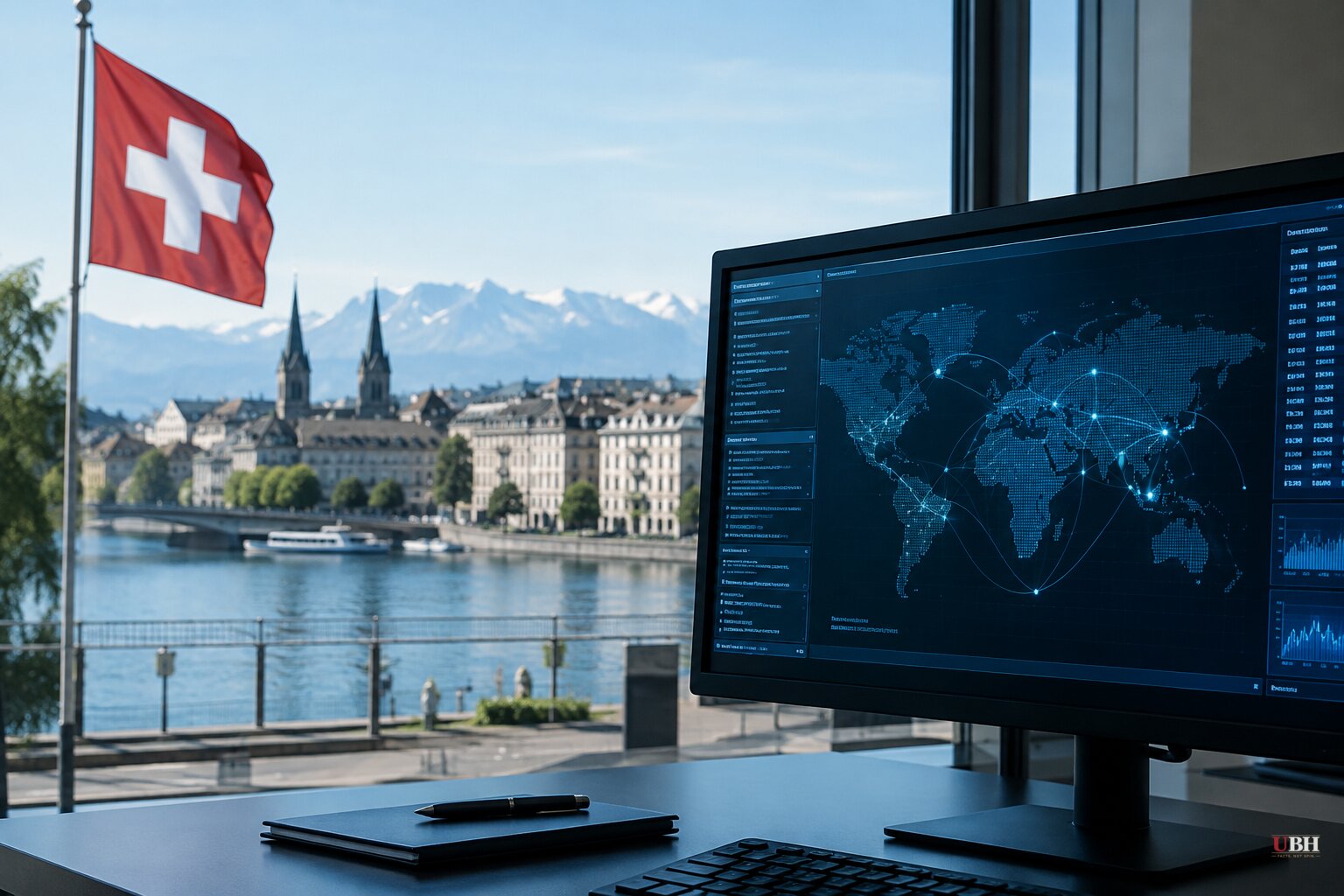
Since Microsoft tied six hacking groups to the ARTEX AI tool on Nov. 25, European agencies have begun describing what such tools do in real incidents. Switzerland now says it has confirmed its first attacks run with AI agents.
Florian Schütz, director of the National Cyber Security Centre (NCSC, known in German as BACS), gave the numbers to public broadcaster SRF on Thursday, Nov. 26. Five cases. Four of them ended in a successful break-in. Three of the five targeted critical infrastructure operators, and no major disruption has been reported.
The victims are unnamed. The attackers are unidentified.
What Switzerland has and hasn't pinned down
The numbers do not line up cleanly. The NCSC's advisory, published Tuesday, Nov. 24, said that in every case known to the agency, the use of AI agents led to a successful compromise of the victim's IT systems. It gave no case count.
Schütz's interview put the success rate at four of five. A report from the Keystone-SDA news agency on the interview said two attacks succeeded, which may refer only to the three critical infrastructure cases. The agency has not explained the differences.
Sector details are also loose. The advisory says affected organizations and critical infrastructure operators span at least two sectors. Electricity, drinking water and telecommunications are examples of what Switzerland classes as critical infrastructure. The NCSC has not said which of them were hit.
The tally also reflects who reports. Critical infrastructure operators in Switzerland have had to report cyberattacks within 24 hours since April 1, 2025. Small and medium-sized companies, some of which were among the victims, came forward voluntarily. An intrusion nobody reported, or nobody recognized as agent-driven, is not in the count.
How the agents work
The NCSC calls the tools "agentic offensive frameworks." They find weaknesses, choose attack tools, judge the results and decide the next step without a person steering each move. Security teams use similar software for authorized penetration testing, so the same tools cut both ways.
The agency says the agents mostly go after weak or guessed passwords and known flaws in internet-facing software. They can run many attacks in parallel and switch methods when defenders respond, which leaves companies far less time to detect and answer an intrusion.
The advisory named ARTEX and CyberStrikeAI as examples of agents reachable over the internet. It did not say they were the tools used in the five Swiss cases. The NCSC says the number of such freely reachable tools has nearly doubled since October. That counts available tools, not attacks or victims.
"These cases represent a shift in the cyber threat landscape," the advisory said. The agency says it anticipates more rapid and successful attacks.
Raphael Reischuk, co-founder of Switzerland's National Test Institute for Cybersecurity, expects a larger wave and says companies underestimate the risk.
Italy's bulletin
Italy's national response team, CSIRT Italia, published a bulletin this week describing campaigns it observed directly. In those cases, autonomous agents compromised a large number of systems within a few hours.
In one incident involving a DeepSeek Harness setup, a coordinator assigned tasks to five AI agents. They handled everything from information gathering to exploitation and persistence. CSIRT Italia says the agents chained together vulnerabilities, misconfigurations and compromised credentials, and used exposed systems as a foothold to reach internal networks.
"They went as far as writing malicious code in real time to evade endpoint defenses and carry out actions deeper within the infrastructure," the Italian agency said.
The bulletin names ARTEX, CyberStrikeAI, PentAGI and DeepSeek Harness. It describes DeepSeek Harness as open source, with a Red Team Mode whose built-in prompt gets past the underlying model's safety limits.
Italian officials also say each action on its own looks like ordinary user or API traffic. Spotting an attack depends on context: where requests originate, how often they arrive, how much data moves and in what order.
The 24-hour patching ask
The NCSC is telling Swiss organizations to install critical updates on internet-facing systems no later than 24 hours after release. That is tighter than the three-day deadline the U.S. government now sets for its own federal agencies.
The agency also wants fewer systems exposed to the internet. It says webmail, VPNs and similar services should sit behind multi-factor authentication or passkeys. Other recommendations: restrict user privileges, watch for unusual changes in network activity and run regular penetration tests. It is sharing technical indicators with critical infrastructure operators and says it is in regular contact with international partners.
A 24-hour window is a hard ask for operators that keep power, water and phone service running. Updates there often need testing and scheduled maintenance windows. The agency has not said whether it will adjust the guidance for them.
Italy's guidance is similar: prioritize patching internet-facing systems, focus on flaws known to be exploited in the wild, and disable remote management interfaces that aren't needed.
The open questions are specific. The NCSC has not said who ran the agents, which tools were used in the five cases, or why its advisory and its director's interview give different success counts. It expects the number of confirmed cases to rise.
Sources used for this briefing
8 links from 8 independent newsrooms (syndicated copies of the same report count once)
These are the sources it draws on, linked so you can verify.


