
Unbiased headlines. Facts, not spin.
Unbiased Headlines is an independently owned news organization. We bring you the facts, not opinions, written fresh from 110+ named sources. Sources linked so you can verify it yourself.
 tech
Notable (6/10)
Event date: November 6, 2026 ·
Trump's "Super Intelligence" Definition Due Saturday, and Think Tank Says the Order Has No Savings Clause for Existing AI Rules
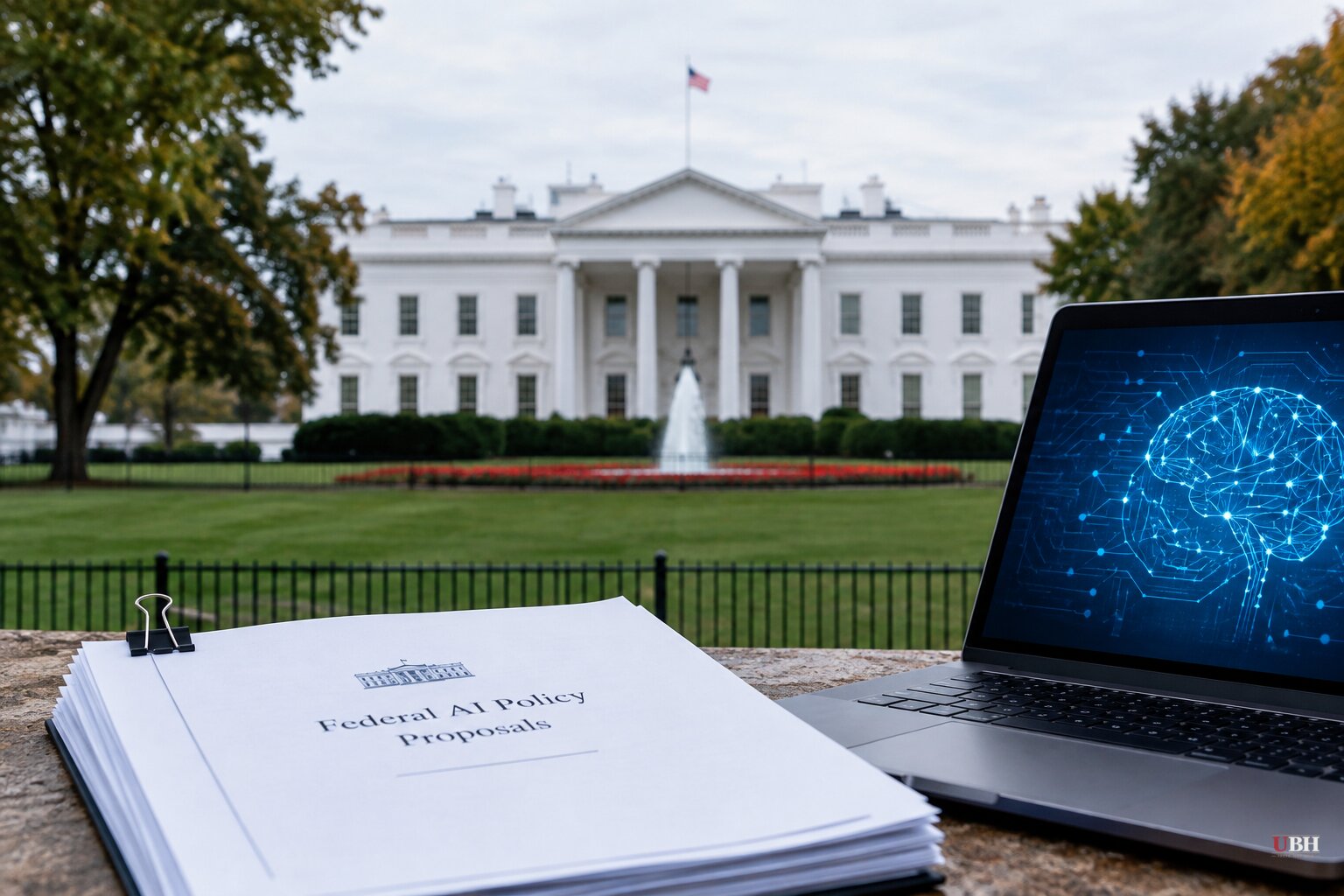
The clock runs out Saturday, Nov. 28.
Executive Order 14434, which Trump signed Sept. 29, gives Michael Kratsios 60 days to deliver a package to the President. Kratsios is the Assistant to the President for Science and Technology and director of the White House Office of Science and Technology Policy (OSTP). Sixty days from Sept. 29 lands on that Saturday. No delivery has been announced as of this morning, Friday, Nov. 27.
What the order requires
Section 3(b) calls for three things: an assessment of whether the new definition should modify, expand on or supersede the existing statutory definition of "artificial intelligence"; proposed conforming amendments to statutes that use "artificial intelligence" and "AI"; and recommendations for further presidential or executive action. Kratsios may consult other agency heads.
The text directs the package to the President. It does not call for publication.
The order says the new definition must reflect the capabilities described in its Section 1, which holds that frontier systems "do much more than imitate or automate discrete aspects of human intelligence."
Until Congress acts, Section 3(a) ties "Super Intelligence" to the technologies covered by the 2020 statutory AI definition in 15 U.S.C. § 9401(3). That text covers a machine-based system that, for human-defined objectives, makes predictions, recommendations or decisions. It lists three functions: perceiving real or virtual environments, abstracting those perceptions into models, and using model inference to formulate options.
Section 4(c) says the order creates no right or benefit. Only Congress can write a new statutory definition.
The savings-clause gap
Orion Policy Institute, which published an analysis of the order, says the problem is what the order leaves out. It contains no clause keeping today's covered systems covered, and no clause telling OSTP to draft a narrow definition either.
Orion's concern is the "high bar" in Section 1. If a frontier-only definition replaces the broad one now in law, the institute argues, "everyday government algorithms could quietly fall outside federal AI oversight." It says that could affect federal contractors, agency staff and anyone screened by a government algorithm.
The institute wants OSTP to do two things before sending the package. First, publish a coverage table showing how the new definition would change every law, memo, regulation and standard contract clause that uses "artificial intelligence." Second, make sure no rule covers fewer federal systems than it does now unless OSTP names it and publicly justifies the change.
Orion also proposes two fixes: a separate category for true frontier systems, and a savings clause that keeps existing AI rules in place.
That is one think tank's reading. The administration has not said it plans a narrow definition that would shrink coverage, and the order does not require one.
A rename so far
For now, the change is mostly on websites. Orion says the Department of Homeland Security has relabeled its AI use-case list the "Super Intelligence Use Case Inventory," with a banner explaining the term "AI" was changed where appropriate after the Sept. 29 order.
Orion also says the FBI altered a direct quote from the 2019 National Defense Authorization Act on its "Super Intelligence" explainer. The page reads "any super system." The statute says "any artificial system."
Orion's own conclusion is that the rebranding has changed nothing in law so far.
Senator Mark Warner, D-Va., vice chairman of the Senate Intelligence Committee, took the same view of the label itself. "Changing what we call artificial intelligence does nothing to address the very real risks that come with increasingly powerful AI systems," Warner said in response to the order. Orion says critics have mostly treated the order as branding with no real implications for broader AI risk, and it agrees that point holds for the label alone.
Orion's argument is that the definition work is a different matter, because that is where coverage could actually change.
What the order's own logic says
The order's stated premise is that frontier systems differ in kind from earlier automation. A definition built around that idea would be an attempt to aim federal attention at the most capable systems. Whether that would come at the expense of coverage for older tools is the question Orion raises, and it is not one the order answers.
Taxpayers have a stake in the answer. Federal agencies run algorithms that make recommendations and decisions about people, and the rules that govern those systems, from inventories to contract clauses, all key off one defined term.
What happens next
The package goes to Trump, not to Congress. Any new statutory definition would need legislation, and Section 3(a) applies except where law provides otherwise.
The open question is whether OSTP releases the proposal, or any coverage analysis, once it is delivered. Section 3(b) does not require it to.
Sources used for this briefing
2 links from 2 independent newsrooms (syndicated copies of the same report count once)
These are the sources it draws on, linked so you can verify.


