
Unbiased headlines. Facts, not spin.
Unbiased Headlines is an independently owned news organization. We bring you the facts, not opinions, written fresh from 110+ named sources. Sources linked so you can verify it yourself.
 tech
Major Story (7/10)
OpenAI Countersues Apple, Alleging Trade Secret Theft and an Employee 'Trap'
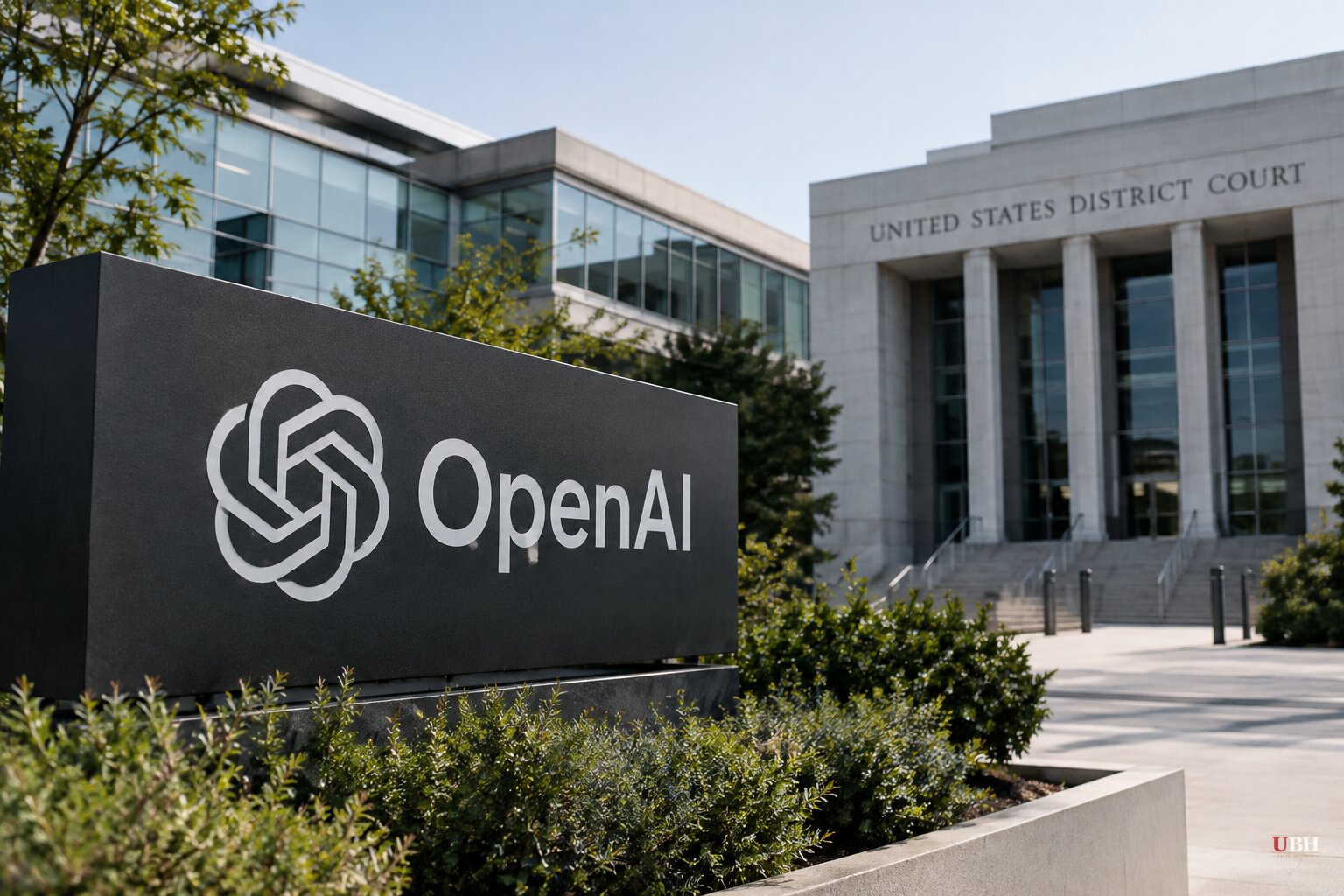
OpenAI filed counterclaims against Apple on Friday, Nov. 27, in the U.S. District Court for the Northern District of California. The filing answers a lawsuit Apple brought this summer accusing OpenAI of stealing its trade secrets.
Apple has not publicly responded to the counterclaims. None of the allegations below has been tested in court.
What OpenAI alleges
OpenAI says Apple stole its trade secrets and discouraged hardware suppliers from working on future OpenAI devices. The filing says Apple re-hired a former employee who had spent six months at OpenAI. In that time, OpenAI says, he gained access to specific information about a new device and the company's hardware roadmap.
"Given the timing, it now appears that stealing those documents may have been his reason for joining OpenAI in the first place," OpenAI said in the filing.
The Financial Times reported that the complaint accuses Apple of "coercing and threatening" suppliers that work with both companies. The FT also reported that the complaint says the former employee moved more than 100 confidential files to personal accounts. Those details come from the FT's account of the complaint.
OpenAI's central claim goes beyond one hire. It says Apple's employment practices are built to "trap" workers. Apple encourages employees to use personal Apple devices and accounts for work, the filing says, then blocks an orderly separation of work and personal data when they leave.
That, OpenAI argues, creates "a situation in which it can accuse virtually any departing employee, and their new employer, of 'stealing' purported Apple trade secrets." The filing calls it a trap "that can be sprung whenever Apple sees an opportunity to slow down a potential competitor."
OpenAI also says Apple keeps accessing former employees' personal devices and accounts after they leave, which lets it "monitor and ensnare departing employees." The company says 400 employees have left Apple for OpenAI so far. It claims Apple wants to intimidate others from following.
The complaint also takes a literary swing. Per the FT, it says "bright young minds thought they would work in Cupertino. Instead they were joining Hotel California: you can check out any time you like, but you can never leave."
Apple's original case
Apple sued OpenAI this summer, along with two former Apple employees: Tang Tan and Chang Liu. Tan spent 24 years at Apple and was a vice president of product design for the iPhone and Apple Watch. He was part of the group that launched io Products, the device startup tied to former Apple design chief Jony Ive that OpenAI acquired in 2025. CBS News identifies Tan as OpenAI's chief hardware officer. Liu is a technical staffer at OpenAI.
Apple alleges misappropriation of trade secrets to help OpenAI's move into consumer hardware. Its filing says former employees "surreptitiously accessed and downloaded dozens of Apple's confidential hardware-related files," including information on unreleased products, engineering presentations and technical specifications.
OpenAI and the two employees deny the allegations. They say Apple's case relies on its unauthorized monitoring of Liu's personal messages after he stopped working there. Attorneys for Tan and Liu did not immediately respond to requests for comment on the new filing.
Mirror-image accusations
Both sides now accuse the other of the same basic conduct: using a departing employee to obtain confidential hardware plans. Apple says OpenAI did it with its hires. OpenAI says Apple did it with one re-hire, and that Apple's wider employment setup is designed to produce such accusations.
The companies were partners not long ago. ChatGPT was integrated into the iPhone. OpenAI is now preparing its own line of AI-enabled personal devices, which it says threaten to "outcompete Apple on what Apple views as its own turf."
Analysts believe OpenAI is working on a phone or similar device. The fight is over devices that may not rely on traditional apps or operating systems. If they succeed, they could pull consumer attention away from the iPhone, Apple's best-selling product.
What comes next
The case now has claims running in both directions in the same court. Apple's response to the counterclaims has not been filed. The core questions are factual and unresolved. A court will have to decide whether the former employee took confidential files, and whether Apple's handling of personal devices amounts to a trap or an ordinary protection of company data.
Sources used for this briefing
5 links from 5 independent newsrooms (syndicated copies of the same report count once)
These are the sources it draws on, linked so you can verify.


