
Unbiased headlines. Facts, not spin.
Every story is an unbiased news briefing written from 110+ sources across the spectrum — sources linked so you can verify it yourself.
 economy
Low Interest (4/10)
June 13, 2026 at 06:11 PM
economy
Low Interest (4/10)
June 13, 2026 at 06:11 PM
Sweden Lowers Criminal Responsibility Age to 14 After Parliament Rejects Plan to Include 13-Year-Olds
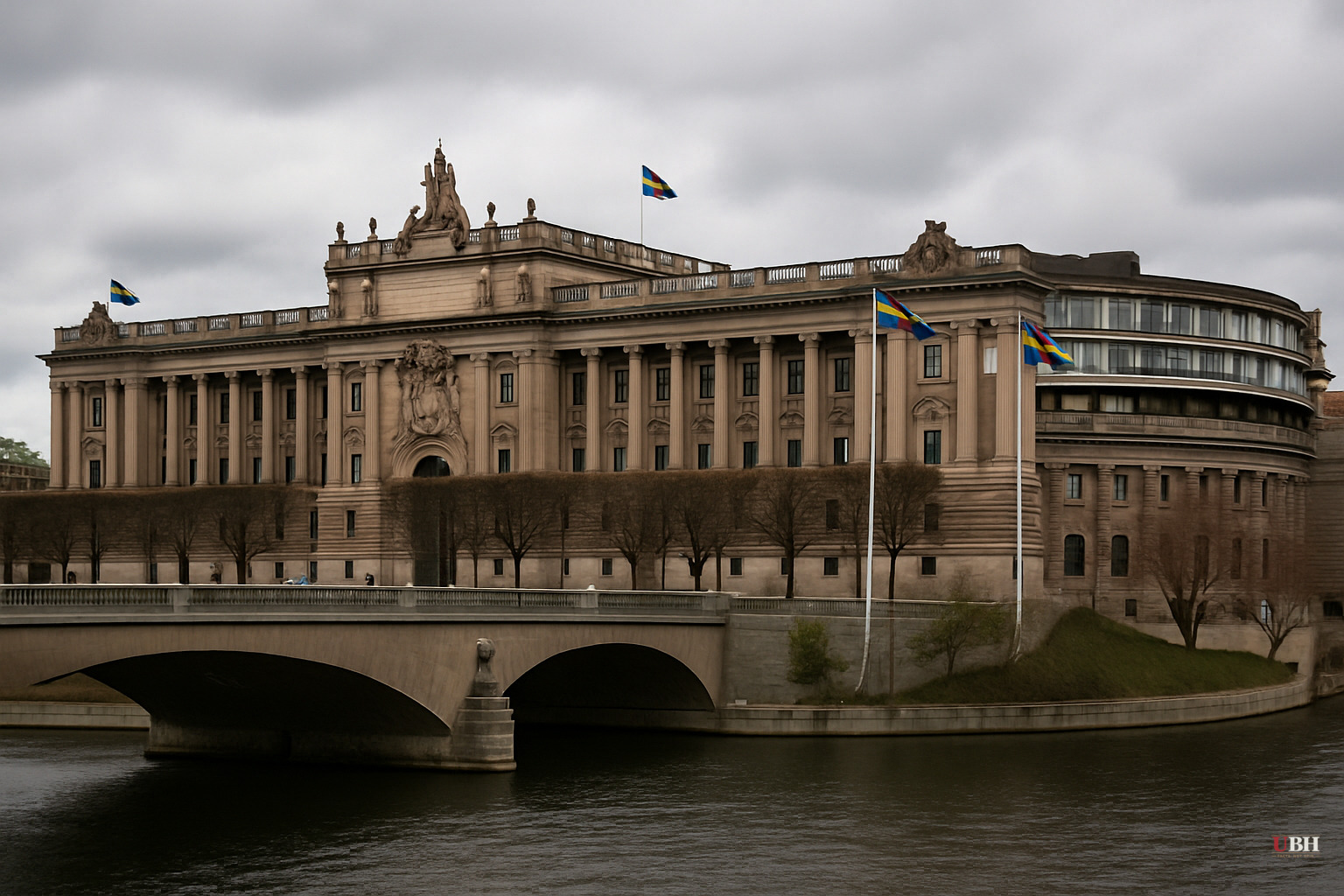
What Changed and Why
Sweden currently sets the age of criminal responsibility at 15. Anyone younger who commits a serious crime gets sent to a youth home run by social services, not a prison. No custodial sentence is possible.
Justice Minister Gunnar Strommer wanted to change that. Earlier this month he announced a proposal to drop the threshold to 13. Parliament pushed back. On June 11, Strommer told reporters he had agreed to a compromise: "We are going to propose that the age of criminal responsibility should be cut to 14 instead of 13 years old."
The proposal has not yet been voted on. Strommer's original ambition got trimmed before it even reached a formal vote.
The Problem Driving This
Sweden's gang violence problem has been building for roughly two decades. According to The Epoch Times, which published the primary reporting cited by ZeroHedge, Swedish police estimate there are 17,500 active gang members and around 50,000 loosely associated individuals across the country.
Magnus Lindgren, former police chief in Uppsala County and current secretary-general of the Safer Sweden Foundation, told The Epoch Times last year that roughly 15,000 of those are what he described as "very dangerous criminals" split among biker gangs, football hooligans, and criminals operating out of about 60 high-crime neighborhoods.
The numbers involving children are stark. Strommer said in 2025 that more than 50 children under the age of 15 were suspected of murder or attempted murder in a single year.
Organized crime networks, including a group called the Foxtrot Network, use social media apps to recruit minors, some as young as 11, posting advertisements in private groups and transferring payment through banking apps. The recruiters operate anonymously. That combination of anonymity and digital cash has made early recruitment significantly harder to police.
Europol launched Operational Taskforce GRIMM in April 2025 specifically to address this cross-border recruitment pattern, according to The Epoch Times.
The Opposition's Case
Critics of lowering the criminal age offer a substantive argument. Prosecuting 13- and 14-year-olds as criminals does not fix the recruitment pipeline. The children being used by gangs are often victims of grooming by adults who deliberately target minors because current law shields them. Locking up a 14-year-old in a penal system rather than a therapeutic setting may deepen criminal ties rather than break them, and the international evidence on juvenile incarceration is not friendly to the deterrence theory.
This is not a fringe position. The fact that Sweden's parliament rejected the age-13 proposal suggests these concerns have real legislative weight. Proponents of the reform would say the response is not to ignore the violence but to ensure the social-services system faces actual accountability for outcomes, which currently it does not because there are no criminal records and no custodial sentences regardless of what a child does.
Sweden's Unenviable European Ranking
Sweden now has one of the highest rates of shootings and bombings in Europe, according to The Epoch Times report. A significant share of those incidents were carried out by minors. That tracks with Europol's own operational posture in launching GRIMM.
For a country historically associated with social-democratic safety nets and low crime, the deterioration over 20 years has been severe enough that even center-left parties have shifted their positions on enforcement.
What Comes Next
The Swedish government's formal legislative proposal to lower the criminal age to 14 has not yet been submitted to parliament as of June 13, 2026. The open question is whether 14 holds as the compromise number or whether the same parliamentary dynamics that killed the 13-year-old threshold will erode support further. Strommer has already moved once. Whether the coalition behind him holds at 14, or whether this reform stalls entirely, depends on votes not yet cast.
Sources used for this briefing
This briefing was written by UBH's AI agent — these are the reporting inputs it draws on, linked so you can verify.


