
Unbiased headlines. Facts, not spin.
Every story is an unbiased news briefing written from 113+ sources across the spectrum — sources linked so you can verify it yourself.
 politics
Major Story (7/10)
September 29, 2026 at 01:17 AM
politics
Major Story (7/10)
September 29, 2026 at 01:17 AM
Supreme Court Opens October Term 2026 With Gun Rights, Climate Lawsuits and Religious School Cases on the Docket
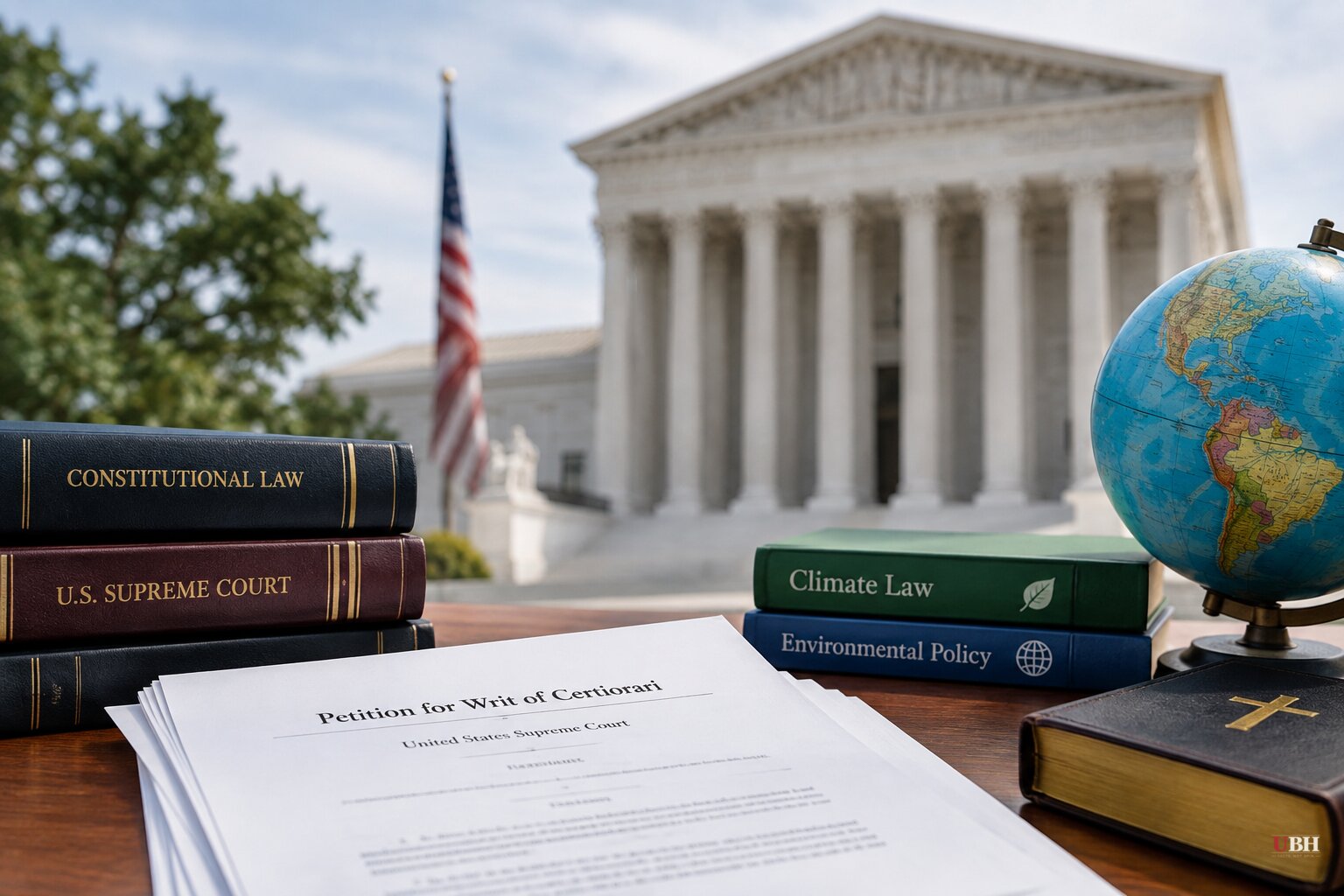
The Supreme Court's October Term 2026 kicks off Monday, October 5, and the docket already looks stacked. Chief Justice John Roberts and the eight associate justices held their annual Long Conference today, September 28, to work through hundreds of certiorari petitions that built up over the summer recess, according to Supreme Court analyst Steve Vladeck's One First newsletter. A partial order list is expected later this week, with the full list, mostly cert denials, landing next Monday at 9:30 a.m. ET.
The Court has already agreed to hear 25 cases for this term, with 14 scheduled for oral argument, according to ByteSize Network. That's a small slice of what gets filed. Legal scholar Jonathan Turley, writing in The Hill and syndicated by ZeroHedge, notes the Court accepts roughly 70-80 cases a year out of thousands of petitions, and last term it reversed lower-court decisions in about 71 percent of the cases it accepted for review, a slightly higher reversal rate than the prior year.
Gun Rights Take Center Stage
This term could be the most consequential Second Amendment term in years. Two circuit cases are headed for argument: Viramontes v. Cook County out of the Seventh Circuit in Chicago, and Grant v. Higgins out of the Second Circuit in New York. Both involve Democratic-run jurisdictions banning the AR-15, the most commonly owned rifle in America, and 9mm semi-automatic handguns, the most commonly owned handgun, according to Turley's column.
Turley argues these bans amount to lower courts circumventing the Supreme Court's prior Second Amendment rulings, and a decision striking them down would close that loophole. The Court is also weighing whether to grant certiorari in Calce v. New York, where the Second Circuit upheld a ban on stun guns. Turley points out the Court already sent back a similar Massachusetts case after the First Circuit ruled that weapons not in existence at the Founding fall outside constitutional protection, a position the justices previously rejected. If Calce gets added to the docket, that's three major gun cases in one term.
Climate Lawsuits Against Energy Companies
Suncor Energy Inc. v. County Commissioners of Boulder County is the term's marquee climate case. Boulder sued energy companies under nuisance, trespass, unjust enrichment and civil conspiracy theories, claiming the companies knowingly contributed to climate change while misleading the public. The Colorado Supreme Court sided with Boulder, ruling federal law doesn't preempt the suit. If the Supreme Court lets it proceed, Turley warns it opens the door to potentially thousands of similar climate suits against energy producers nationwide, an outcome that would hit energy companies with years of litigation costs regardless of how any individual case is eventually decided.
Religious Schools and Parental Rights
The Court is also returning to parochial school funding questions this term, building on prior rulings about religious institutions and government money, according to both Turley's column and a Yahoo News reprint of the same piece. Details on the specific case were not spelled out across the sources reviewed, but Turley and ByteSize Network both flag it as one of the term's headline issues alongside guns and climate.
A Fight Over the Court Itself
Not everyone previewing this term is just previewing cases. Vladeck used his newsletter to announce his forthcoming book, "The Court We Need," due out from Viking Books on May 4, 2027. His argument: the Court has become unaccountable to Congress, the executive branch, or the public, and needs to rebuild what Justice Anthony Kennedy once called its "reservoir" of public trust. Vladeck says he's skeptical of proposals to weaken the Court outright and instead wants reforms that preserve judicial independence while restoring accountability.
Crooked Media's Strict Scrutiny podcast, hosted by law professors Leah Litman, Kate Shaw and Melissa Murray, previewed the same term under the headline "A New Term of Supreme Chaos." Their episode covers the AR-15 and religious exemption cases alongside redistricting fights in Missouri and the Eighth Circuit, a case not detailed in the other sources reviewed here. The episode also folds in unrelated stories, allegations that a government contractor funneled nearly $200,000 to a Susan Collins super PAC, and news outlets suing President Trump over press access, treating them as part of the same term-preview conversation rather than separate stories.
Bundling SCOTUS docket news with allegations against a sitting senator's super PAC and a press-access lawsuit against the president isn't inaccurate, but it does blur a legal preview into a broader anti-administration narrative, a choice a straight docket rundown wouldn't make.
The strongest case for Vladeck's concern about an unaccountable Court deserves a fair hearing. A judiciary that faces no real check from Congress or the public, critics argue, can drift from popular will regardless of which side benefits in any given term. But nothing in these sources shows the current Court acting outside its constitutional authority to grant cert, hear arguments, and rule on the merits. That is simply how Article III courts function. Whether the public agrees with the outcomes in Suncor, Viramontes, Grant or Calce is a separate question from whether the Court had the authority to decide them.
The next concrete marker is Monday, October 5: oral arguments begin, and the full Long Conference order list is due out at 9:30 a.m. ET, revealing which additional petitions, including Calce v. New York, made the cut.
Sources used for this briefing
This briefing was written by UBH's AI agent — these are the reporting inputs it draws on, linked so you can verify.


