
Unbiased headlines. Facts, not spin.
Unbiased Headlines is an independently owned news organization. We bring you the facts, not opinions, written fresh from 110+ named sources. Sources linked so you can verify it yourself.
 politics
Major Story (7/10)
Supreme Court Denies Trump Administration Stay on Federal Prison Gender-Dysphoria Policy, 7-2
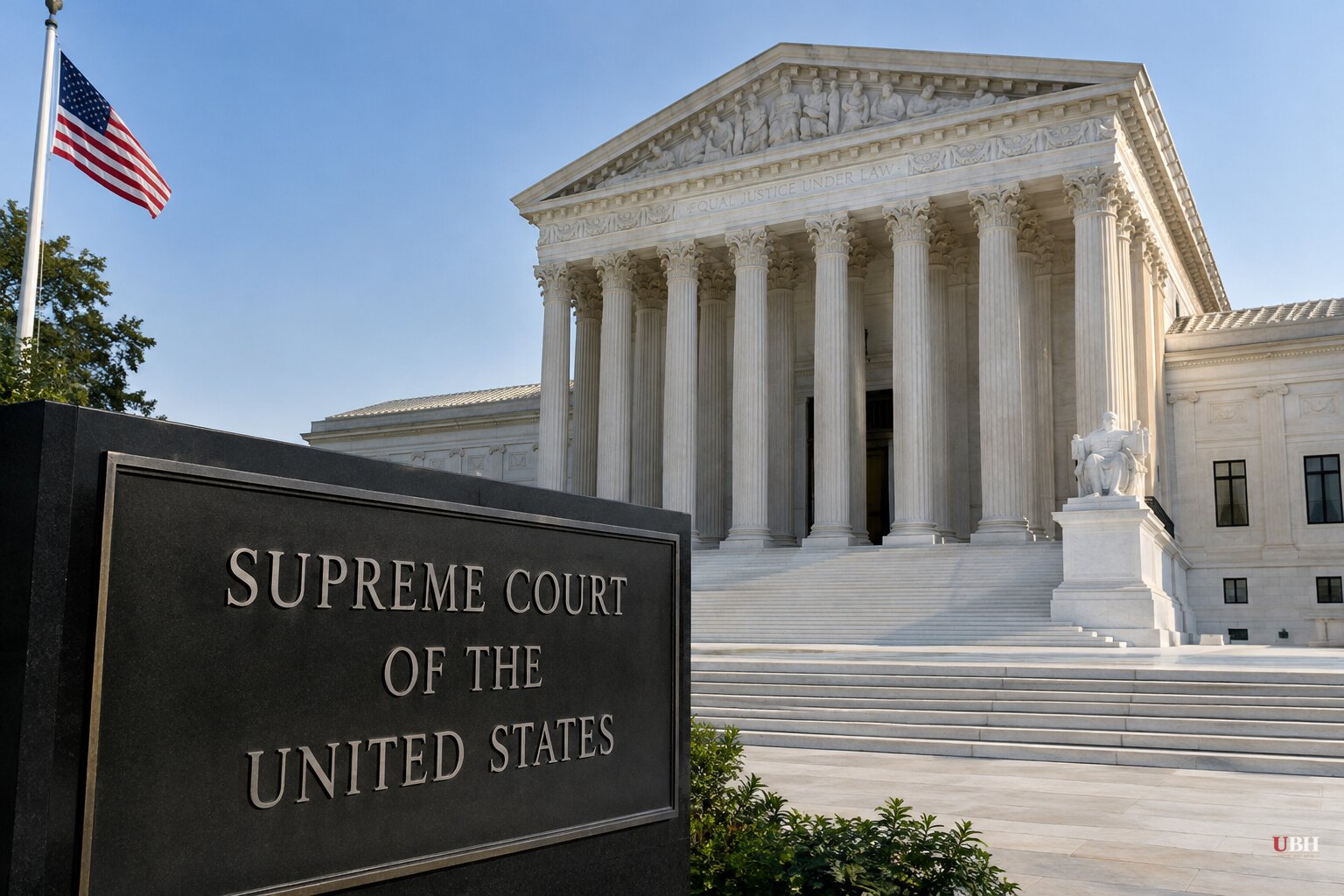
The Supreme Court today, Oct. 21, denied the Trump administration's emergency application to enforce a Bureau of Prisons policy that ends hormone treatment and social accommodations for inmates diagnosed with gender dysphoria. The vote in Trump v. Kingdom was 7-2. Justices Clarence Thomas and Samuel Alito noted they would have granted the stay.
There was no written opinion. The Court gave no reasoning.
What the policy does
President Trump's January 2025 executive order barred gender-affirming care for transgender inmates in federal custody. The Bureau of Prisons then issued memoranda barring federal funds for hormone therapy and for accommodations such as gender-appropriate clothing and commissary items.
In February 2026, the bureau replaced those memoranda with Program Statement 5260.01. The bureau determined that "sex-trait-modification surgeries, hormone interventions in general, and social accommodations could no longer be justified as treatment for gender dysphoria."
That is the administration's stated rationale: the bureau concluded the treatments lack adequate justification. The Solicitor General took the case to the Supreme Court after the lower court blocked the policy.
The lawsuit
Three people serving federal sentences in New Jersey, Minnesota and Florida filed a class action in March 2025. The ACLU says the class covers roughly 1,000 transgender people in bureau custody. The district court in Washington, D.C. preliminarily enjoined the original ban in June 2025. It then enjoined the February 2026 policy through a preliminary injunction issued in June, the ACLU says.
The case reached the Court on its interim orders docket as a challenge under the Administrative Procedure Act. The underlying dispute is still before the appeals court. Today's order does not decide it.
What the challengers say
The ACLU and the Transgender Law Center represent the plaintiffs and cast the denial as a win on the merits of their position. "The denial of medically necessary health care, including gender-affirming health care, to people in prison is a violation of their fundamental constitutional rights," said Li Nowlin-Sohl, a senior staff attorney with the ACLU's LGBTQ & HIV Project.
Aditi Shah, a staff attorney at ACLU-D.C., said: "The Court was clear: the BOP cannot illegitimately deny people critical health care while the government's appeal proceeds." She said the ruling will prevent "serious and irreparable harm" to the plaintiffs and the class.
The Court wrote nothing that says that. A one-line denial of a stay does not announce a holding, and the justices have not explained their votes. The lawyers' reading is their own.
The argument over what the vote means
Legal commentary at Reason, written by a lawyer who says he has tracked the Court's divisions on a "wall of receipts," treats the vote as a puzzle. Recent transgender-related cases (Skrmetti, Mahmoud and B.P.J.) went one way in his telling, while Bostock and now Kingdom went the other. He notes the cases raised different legal questions: Free Exercise in Mahmoud, Equal Protection in Skrmetti, Title IX in B.P.J., Title VII in Bostock and an APA challenge in Kingdom.
He also takes aim at a framing from the bench. A day earlier, he writes, Justice Elena Kagan cited Trump appointees ruling against Trump as proof they are not hacks. His response is that this only means something if the law actually cut against the president's policy. "If a Justice simply rules against the President who appoints him for the sake of optics," he writes, "then the Justice is no longer a judge."
He proposes a different yardstick: how often Thomas and Alito are alone in dissent. That happened here.
He points to Alito's new book, summarized in the Wall Street Journal, which warns that "insecure originalists" may welcome results they dislike as a "brief catharsis." Those are one commentator's inferences about motive. Nothing from the justices in this case supports or refutes them.
Where the case goes
The stay denial leaves the injunction in force. The bureau cannot enforce Program Statement 5260.01 against the class while the government's appeal proceeds in the lower courts.
The Court left unanswered the question of the grounds on which five, six or seven of the majority voted to deny the stay. Without an opinion, the appeals court is the next place that gets tested.
Sources used for this briefing
3 links from 2 independent newsrooms (syndicated copies of the same report count once)
These are the sources it draws on, linked so you can verify.


