
Unbiased headlines. Facts, not spin.
Unbiased Headlines is an independently owned news organization. We bring you the facts, not opinions, written fresh from 110+ named sources. Sources linked so you can verify it yourself.
 politics
Major Story (8/10)
Supreme Court Agrees to Hear Trump's Southern Border Asylum Ban, Ruling Expected by Late June
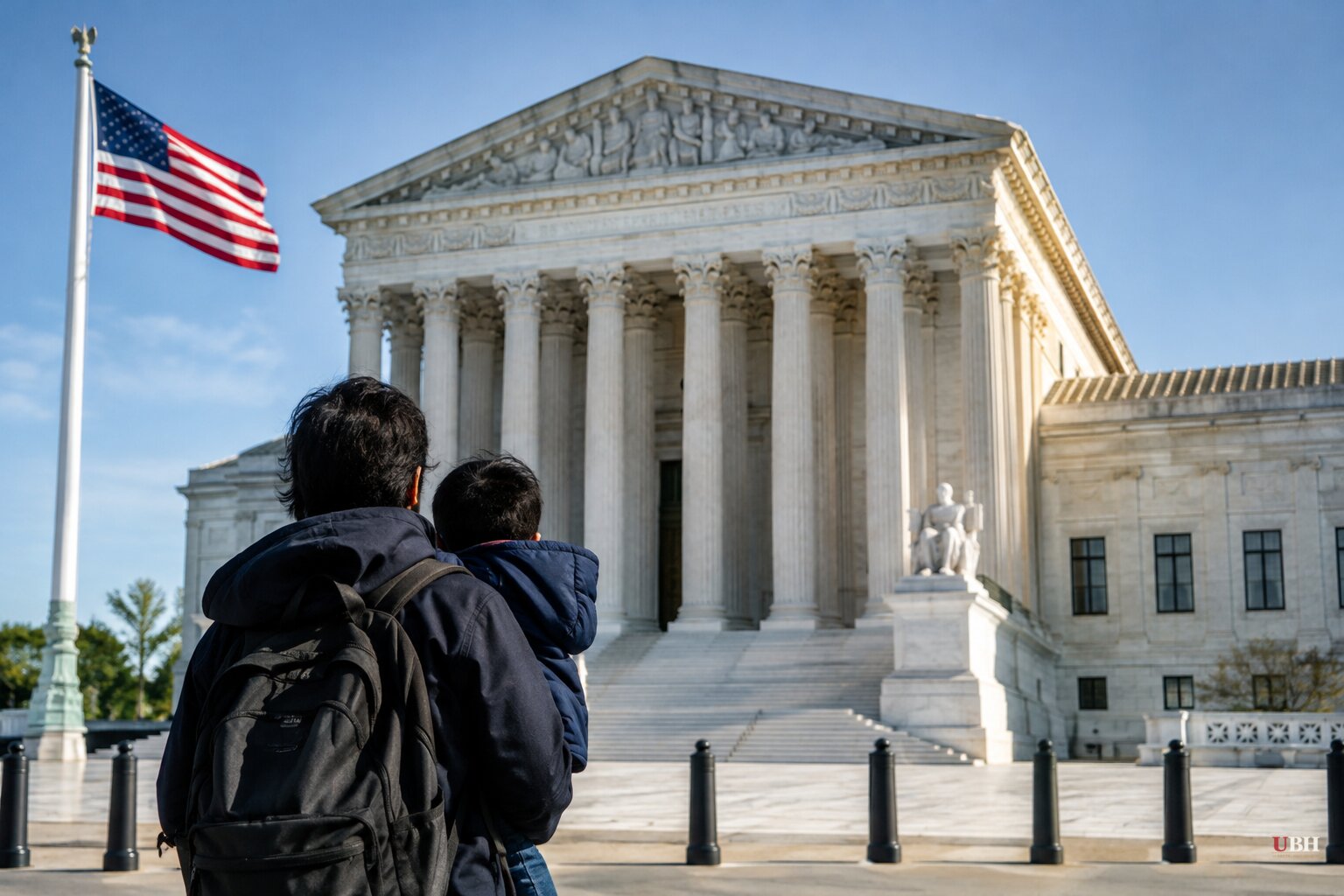
The Supreme Court agreed Friday, Nov. 13, to take up President Donald Trump's ban on asylum applications at the southern border. The administration is asking the justices to overturn lower court rulings that found the policy illegal.
The policy has stayed in effect throughout the litigation.
What the order does
Trump signed the proclamation on his first day back in office in January 2025. It suspended entry for migrants "engaged in the invasion across the southern border." It also blocked those migrants from invoking asylum protections in federal law "until I issue a finding that the invasion at the southern border has ceased."
The administration says it can categorically deny asylum to people covered by the order. It also says it should not have to process applications that are destined to be rejected.
Federal attorneys argue that yearslong processing times fed a major influx of migrants at the border. Many applicants were released into the country while they waited for a decision.
Solicitor General D. John Sauer, the administration's top appellate lawyer, has called the asylum measures a "cornerstone" policy and its "most effective" change in addressing the border crisis.
The legal fight
The Immigration and Nationality Act, passed by Congress, lets people seek asylum if they fear persecution at home, no matter how they entered the country. The same law leaves the decision on whether to grant asylum to the executive branch.
That split is the heart of the case. The administration reads the executive's discretion broadly. The challengers read the right to apply as something the president cannot switch off.
Thirteen individuals and three immigrant rights groups sued last year. A district court ruled that the administration's effort violated the INA. In April, a federal appeals court upheld that decision but stayed it, which let the policy continue while the government appealed.
US Circuit Judge Michelle Childs, a Biden appointee, wrote that barring people physically present in the United States from applying for asylum, and from being considered if they make the statutory showing of eligibility, "cannot be squared with the statute."
Attorneys at the American Civil Liberties Union and the National Immigrant Justice Center say the order is an unlawful attempt to unilaterally "eviscerate" protections for people fleeing danger. They argue asylum decisions are supposed to be made case by case, and that the law does not let a president stop people from applying at all.
They also dispute the administration's justification. Those attorneys say border crossings were already falling before Trump took office.
A crowded immigration docket
This is the third major immigration case on the court's docket this term. The justices will also decide whether people can be swiftly deported to countries other than their homelands. They will also decide whether immigrants can be detained indefinitely during deportation proceedings.
The court has already ruled for the administration in one asylum case this year. That decision cleared the way for the administration to potentially revive a "metering" policy, which has been used in past years to turn back migrants at the border. It is a separate case from the one now granted.
What comes next
Arguments will almost certainly be heard early next year, according to CNN's reading of the court's calendar. A decision is expected by the end of June, before the term ends in early July.
Until then, the asylum ban remains in force. The justices' ruling will settle whether a proclamation can suspend a right of application that Congress wrote into the INA.
Sources used for this briefing
6 links from 6 independent newsrooms (syndicated copies of the same report count once)
These are the sources it draws on, linked so you can verify.


