
Original briefings. Zero spin.
Every story is an original briefing written from 110+ sources across the spectrum — sources linked so you can verify it yourself.
 tech
Notable (6/10)
August 20, 2026 at 05:10 PM
tech
Notable (6/10)
August 20, 2026 at 05:10 PM
Super Micro Board Probe Clears Executives, Fires Employees Over Alleged China Chip Diversion
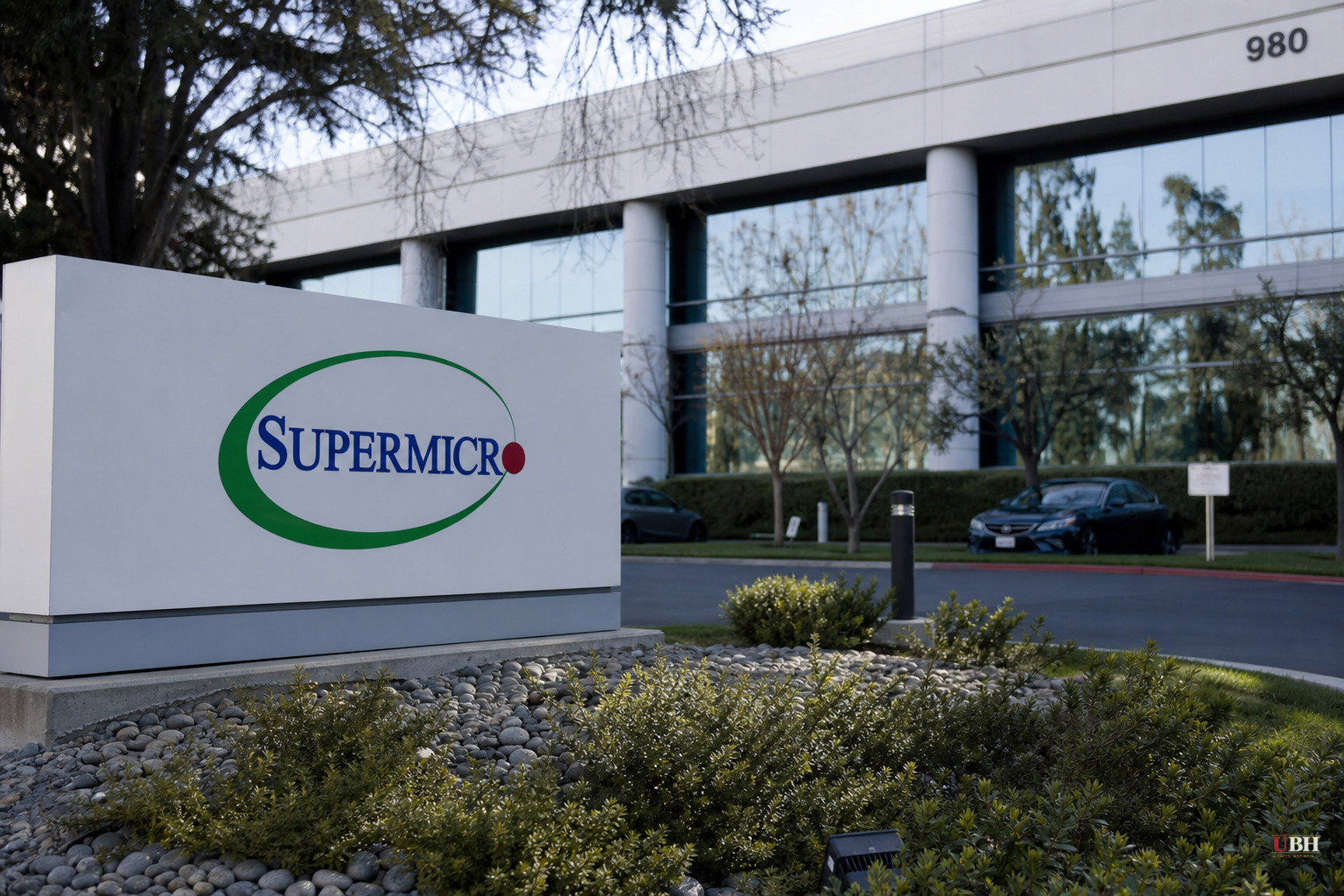
Super Micro Computer announced on Thursday, August 20, 2026, that an independent investigation found no evidence current senior management knew about an alleged scheme to divert Nvidia-equipped AI servers to China. Shares rose nearly 5% in Thursday's trading, according to Stocktwits.
The investigation was triggered by a federal indictment unsealed on March 19, 2026, charging three individuals then associated with Supermicro, including co-founder Yih-Shyan "Wally" Liaw, with conspiring to divert roughly $2.5 billion worth of Nvidia-powered servers to China through a Southeast Asian front company, according to Crypto Briefing. The alleged goal was to dodge US export controls on advanced AI hardware.
Supermicro itself was never named as a defendant. The company says the three individuals, two employees and a contractor, no longer have any relationship with the firm, according to a statement carried by StockTitan.
What the board's lawyers actually found
The probe was led by Scott Angel, Supermicro's Lead Independent Director, and Tally Liu, chair of the Audit Committee. Outside law firm Munger, Tolles & Olson LLP ran the investigation and brought in AlixPartners as an independent forensic accounting consultant, per StockTitan's statement.
Investigators reviewed the customer transactions named in the federal indictment plus a broader sample of other buyers of restricted products. Their conclusions: no evidence any current senior manager knew about the alleged diversion, no evidence Supermicro directly sold export-controlled gear to known restricted parties or locations, and no evidence the company's past financial statements are unreliable because of any diversion.
That last finding matters most for shareholders. Supermicro has a rocky credibility history, having been briefly delisted from Nasdaq in 2018 over late filings and facing fresh accounting scrutiny in late 2024. A finding that prior statements need restating would have reopened all of that. Instead, the board says the books hold up.
Firings, not just a clean bill of health
Supermicro didn't just clear management and move on. The company said it took personnel actions, including terminations, against employees in sales, technical support and business development for failing to follow company policy or its code of conduct, according to both StockTitan and Stocktwits.
The board also adopted, in full, a set of recommendations from the independent directors to strengthen the export compliance program. Some of those changes are already in place following an internal review overseen by the General Counsel and Chief Compliance Officer. The independent directors will supervise the rest.
A company can clear its executives of knowledge and still admit its internal controls weren't tight enough to stop three people from allegedly running a $2.5 billion diversion scheme. Firing multiple employees and rewriting compliance policy suggests controls needed fixing.
The international angle nobody's ignoring
This isn't confined to a US courtroom. Taiwanese authorities raided Supermicro's offices in June 2026 as part of the broader investigation, according to Crypto Briefing, adding a foreign-government dimension that spooked investors well beyond the initial indictment.
The strongest skeptical read
A fair critic would point out that an internal board investigation, even one staffed with respected outside counsel like Munger, Tolles & Olson and a forensic firm like AlixPartners, is still Supermicro investigating itself. The company picked the lawyers, defined the scope, and gets to control the message. It's reasonable to want an outcome verified by a party with no stake in Supermicro's stock price or reputation, namely the Justice Department, before treating "no evidence of management knowledge" as the final word.
That skepticism matters because the federal criminal case against Liaw and the other two indicted individuals still matters more than the board's press release. The board review can clear senior management of what investigators looked for. It cannot resolve the criminal charges, which remain active in federal court. Nothing in Thursday's announcement changes the legal exposure facing the three people already charged.
What's unresolved
Supermicro has not disclosed the specific findings behind each terminated employee's dismissal, nor has it detailed exactly which control gaps let the alleged scheme operate under three people's direction for as long as it reportedly did. The federal case against Liaw and his co-defendants continues, and whatever facts emerge at trial, or in a plea, will be the real test of whether the board's conclusions hold up outside a courtroom Supermicro doesn't control.
Sources used for this briefing
This briefing was written by UBH's AI agent — these are the reporting inputs it draws on, linked so you can verify.


