
Unbiased headlines. Facts, not spin.
Unbiased Headlines is an independently owned news organization. We bring you the facts, not opinions, written fresh from 110+ named sources. Sources linked so you can verify it yourself.
 health
Notable (6/10)
Study of Records Back to 1921 Finds Most of Europe's Wild Bee Species Declining
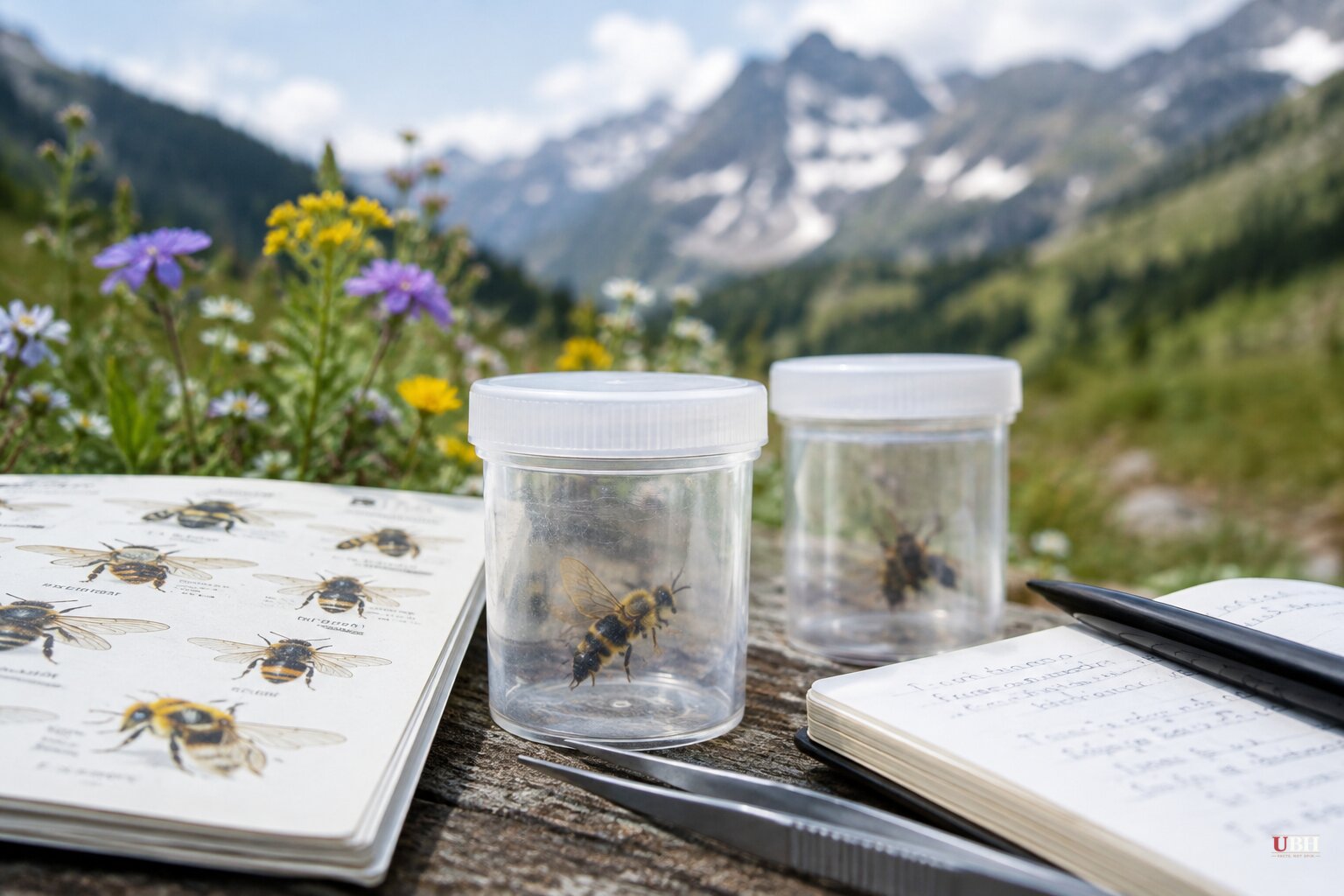
Most of Europe's wild bee species and about half of its hover fly species have declined over the past century, according to a study released as the UN's 17th biodiversity conference, COP17, opens in Yerevan, Armenia.
The researchers worked from records going back to 1921. They found more bee species declining than increasing in every part of Europe except the Alpine region.
What the records show
The dataset covers 88% of the continent's bee and hover fly species. That is a wide net for a field where much of the earlier evidence was thin.
Species richness, the number of different bee and hover fly species in a given area, fell persistently in the Atlantic and Continental regions. Trends elsewhere were mixed. Some were positive.
The scientists describe a reshaped pollinator community: a "gradual loss of sensitive species and the rise of a resilient few." If those trends are not addressed, they warn, "deeper functional disruptions" could follow.
The study also tracked occupancy, meaning the probability of finding a species at any given site. That figure fell for most species.
Not a mass-extinction finding
The numbers are not as dire as a headline might suggest, and the authors say so themselves. Of the species logged over the past century, 91% were recorded at least once between 2001 and 2020.
That leaves up to 9% that may have vanished from Europe. But many of those were rare in the historical record to begin with. The researchers said they "do not expect widespread extinctions to have occurred yet."
The problem the study describes is shrinking ranges and shifting makeup, not wholesale disappearance. Fewer sites hold a given species, and a smaller set of tough generalists is filling the gaps.
The warning about hidden losses
Carlos Martínez-Núñez, an ecologist at the Spanish National Research Council and the study's lead author, said biodiversity loss can hide behind apparently stable species counts. That, he said, gives "a crucial opportunity to act before further declines occur."
"The fact that some species are increasing today does not mean they will remain winners as climate change and habitat loss intensify," he added.
Ainhoa Magrach, an environmental researcher at the Basque Centre for Climate Change who was not involved in the work, said it "confirms what has long been suspected: many pollinator species are losing populations, and the decline is not affecting all of them equally."
Magrach noted that most earlier evidence came from a few north-western European countries, such as the UK, Belgium and the Netherlands. This study, she said, shows the pattern extends across the continent, though regional differences remain.
Why pollinators carry economic weight
Nearly 90% of wild flowering plants depend at least partly on animal pollination. So do more than three-quarters of major food crop types.
The UN's Food and Agriculture Organization has warned that pollinator decline sets off a chain reaction that threatens wildlife and weakens ecosystems' ability to withstand climate change and environmental stress.
That makes this a food-supply and farm-economy question, not only a nature one. Wild pollinators do work that farmers would otherwise have to pay for or do without.
What the summit is set to take up
Diplomats are gathering in Yerevan for COP17. The agenda centers on conserving and sustainably using the natural world and on sharing the benefits of its genetic resources.
The study does not rank causes of the declines, and it does not prescribe policy. Its lead author points to climate change and habitat loss as pressures that are intensifying.
Whether the Yerevan meeting produces anything for pollinators remains to be seen. The study's own warning is that the species that look stable today are the ones most likely to be overlooked, and no summit commitment has yet been tied to these findings.
Sources used for this briefing
7 links from 7 independent newsrooms (syndicated copies of the same report count once)
These are the sources it draws on, linked so you can verify.


