
Unbiased headlines. Facts, not spin.
Unbiased Headlines is an independently owned news organization. We bring you the facts, not opinions, written fresh from 110+ named sources. Sources linked so you can verify it yourself.
 health
Major Story (8/10)
Kenya Ebola Cases Hold at Eight as Health Official Calls Community Spread 'Very Remote'
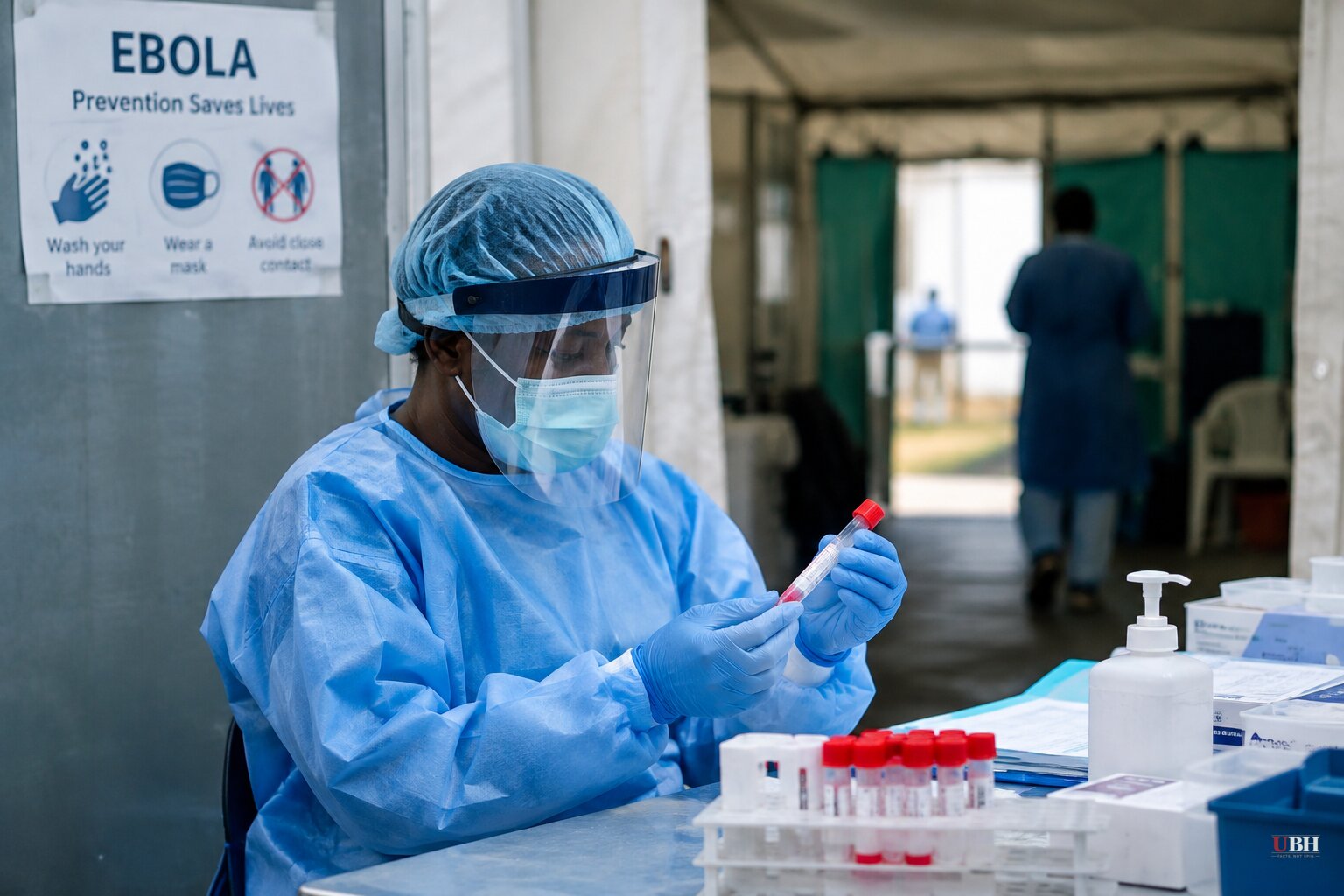
Since Kenya confirmed its first Bundibugyo Ebola case, the total has climbed to eight, including six confirmed between Friday, Oct. 16, and Sunday, Oct. 18. The first patient died. According to Kenya's Ministry of Health, all the others have survived so far.
The new detail is how officials describe the latest infection and what it means for spread.
Kenya: a hospital worker, and a claim of no community spread
Patrick Amoth, Kenya's director-general for health, told Citizen TV on Oct. 18 that the eighth patient is a 49-year-old man who developed fever, headache and muscle pain. He cleans rooms at a Nairobi hospital where the first patient was isolated. Amoth said that is likely where he was exposed.
Amoth called the possibility of community transmission "very remote." His reasoning: Ebola spreads only from symptomatic people, and the six newest patients were already in quarantine, because of confirmed or suspected exposure, when tests came back positive. They had not been in contact with others once symptoms appeared.
That is the ministry's assessment, and it is a reasonable one if the contact lists are complete. It rests on quarantine being airtight, and the case count has risen every day since Friday.
Authorities have urged anyone with symptoms to seek care. They have also said they have imposed no restrictions on travel, trade or public gatherings. When the third case was announced on Friday, the ministry said about 108 people were quarantined in Nairobi.
Congo: bigger numbers, new restrictions
The source of the Kenyan cluster is the outbreak in Congo, declared in mid-May. Congolese authorities have recorded at least 9,400 cases and more than 4,500 deaths, making it the deadliest outbreak in the country's history.
Ituri Province in the east remains the epicenter. It accounts for almost three-quarters of confirmed cases, according to the government's latest data, and 66 health zones have been affected since the start.
On Oct. 18, Congo's Health Ministry reported two cases, including one death, in Nord-Ubangi Province, which borders the Central African Republic. Both patients are men in their 20s from the Wapinda health zone. The Central African Republic has recorded no confirmed cases.
Congo's state news agency ACP reported that North Kivu Province will ban people entering from Ituri for one week starting Oct. 19, to slow the spread.
Uganda, which also saw cases, declared itself Ebola-free in July after discharging its last patient. No cases have been confirmed there since.
The Laikipia quarantine site
The Kenyan cases have revived a fight over the U.S.-backed quarantine facility at the Laikipia air base, meant for Americans returning from Congo. Kenyan Health Minister Aden Duale has said he halted construction. A Kenyan court has also ordered the project stopped, and protests against it have taken place.
Allan Maleche, executive director of the Kenya Legal & Ethical Issues Network on HIV and Aids, said many Kenyans were concerned that "there was no information and people did not know why the quarantine place was being set up, who was actually going to use it." He said the litigation will be decided in November. Until then, he said, Kenyans are "very cautious around any information that is being given by the government around Ebola."
Jennifer Nuzzo, director of the pandemic center at Brown University's school of public health, argues the plan makes less sense now that Kenya has its own cases. "Is this still a viable solution for the US?" she asked. She questioned whether the site places an undue burden on Kenya's government and whether it is the safest place to bring Americans.
Nuzzo also noted that the United States already has "world-class" Ebola treatment units. "American taxpayers built these units for precisely this purpose, and it's mind-boggling to me that we're going to leave them empty," she said. In earlier outbreaks, she said, seriously ill patients were evacuated to those units and recovered without further spread.
The Guardian's account ties the situation to wider U.S. retrenchment: the dismantling of USAID, cuts at the CDC, the CDC's Oct. 1 closure of HIV prevention offices in Angola and South Sudan, and a U.S. ban on travelers from certain countries. The article says these moves reduced the ability to identify and respond to the outbreak and fed mistrust. That is the argument of the reporting and its sources. Among the sources here, no U.S. official has answered Nuzzo's questions about the Laikipia site.
What comes next
North Kivu's Ituri entry ban runs one week from Oct. 19, so its first test comes next week. In Kenya, the open question is whether any new case appears outside the quarantined contact groups. That would undercut Amoth's assurance. The court's decision on the Laikipia site is due in November.
Sources used for this briefing
6 links from 6 independent newsrooms (syndicated copies of the same report count once)
These are the sources it draws on, linked so you can verify.


