
Unbiased headlines. Facts, not spin.
Unbiased Headlines is an independently owned news organization. We bring you the facts, not opinions, written fresh from 110+ named sources. Sources linked so you can verify it yourself.
 health
Major Story (7/10)
Pennsylvania Issues Health Alert on Congenital Measles as Outbreak Reaches 1,286 Cases in 42 Counties
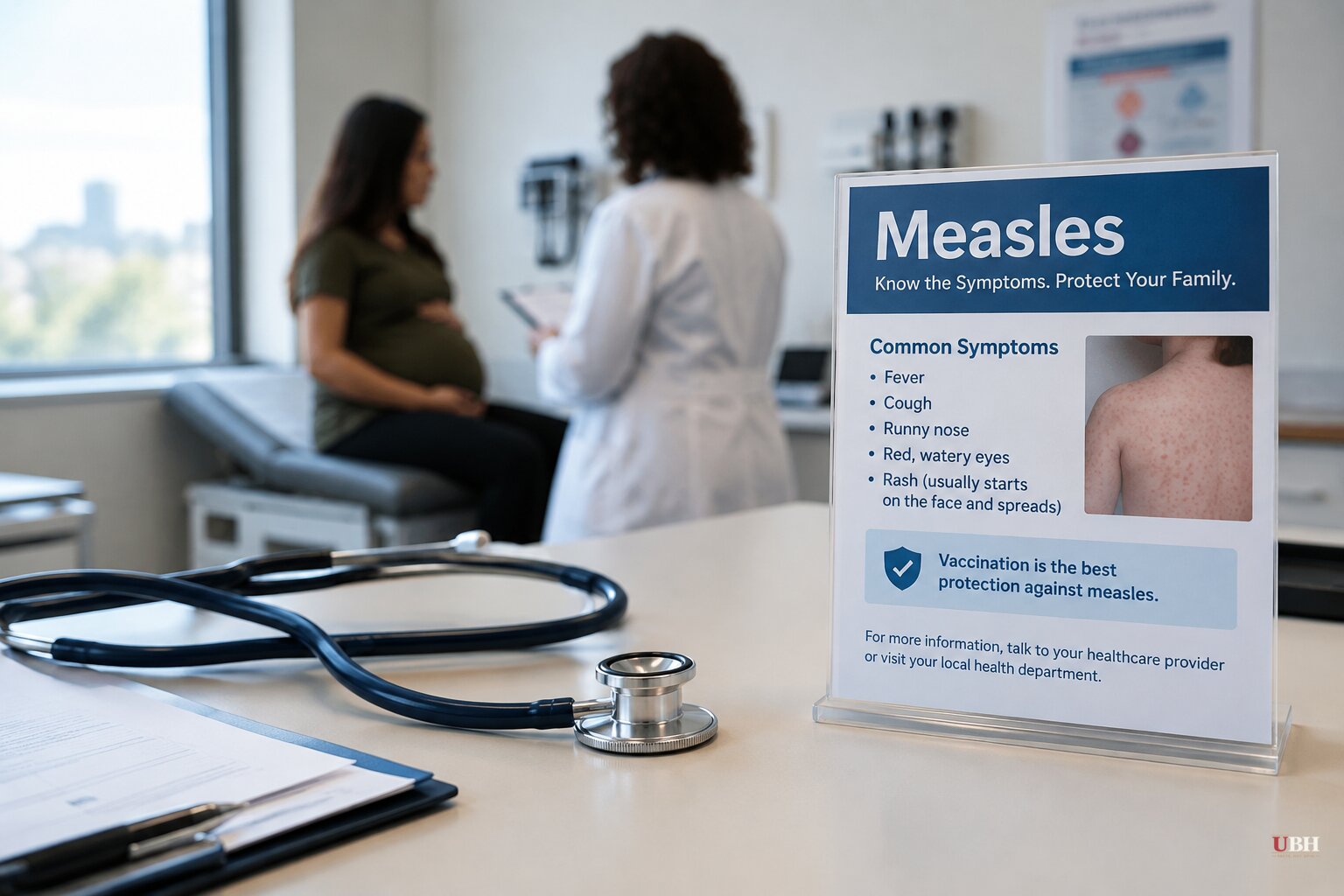
Since the outbreak began in late April, Pennsylvania's measles count has climbed to 1,286 confirmed cases across 42 counties, according to the state Department of Health. Today, Oct. 19, the department added a new problem to the list: infants born with the disease.
The department issued a Health Alert Network notice with clinical guidance for treating pregnant women who contract measles and newborns with possible congenital measles. The department said such cases had not been seen in decades before this outbreak.
The numbers
The department's latest update shows 26 new cases since Oct. 16. Total hospitalizations stand at 247. Four cases, under 1 percent, were in vaccinated people.
On Oct. 1, the state count was 943 cases in 39 counties with 176 hospitalizations, according to the state's Sept. 30 report. The count has since grown to 1,286 cases in 42 counties, with hospitalizations at 247.
When the count stood at 943, the outbreak was already larger than the 2025 West Texas outbreak, which reached 762 cases, though it fell short of the South Carolina outbreak that ran from October 2025 to April 2026 and reached 997. At 1,286, Pennsylvania's count now exceeds both.
The state's website showed 121 new cases in a seven-day span, and 33 percent of patients were under 18. Most illness has been concentrated in Lancaster, Mifflin and Chester counties.
Pregnancy and newborns
The 19th reported earlier this month that 53 pregnant women had contracted measles. Measles in pregnancy raises the risk of hospitalization, pneumonia, oxygen support, ventilation and death. It also raises the risk of miscarriage, stillbirth, low birth weight and preterm labor.
At least one congenital case has been fatal. The first death in this outbreak was a newborn boy who died immediately after birth while his mother was severely ill with measles.
The virus can cross to a fetus in the womb or pass to a baby during or just after delivery. Symptoms range from none at all to severe multisystem disease. Fever and jaundice are common. Rash can be delayed or atypical in newborns. Low platelet counts, pneumonia and neurologic complications also occur.
Survivors face long-term risks, including immune amnesia and subacute sclerosing panencephalitis, a progressive and fatal neurological disease that can appear years after infection.
What the guidance tells doctors
The live-virus MMR vaccine is not recommended during pregnancy because of a theoretical risk to the fetus. So the options for an exposed, non-immune pregnant woman are narrow. She can receive intravenous immunoglobulin, but only if it is given within six days of exposure. The department says the same six-day window applies to exposed newborns.
Postpartum mothers who are not immune should get the MMR vaccine, which the department says is safe for breastfeeding women. Relatives and others who will live with or care for an infant are urged to get vaccinated to form what the department calls a "protective bubble" until the baby is old enough for the shot.
Providers with pregnant patients who have suspected or confirmed measles, or newborns with possible congenital measles, must report immediately to the local health department or the state at 877-724-3258.
Deaths and federal help
The department counts five confirmed measles-associated deaths. Others have reported six. The sixth is a 39-year-old unvaccinated woman with underlying health conditions, according to the Franklin County Coroner's Office. The coroner gave the primary cause as a probable acute cardiac event due to possible complications of the measles. State health officials are working with the coroner to investigate, and the death is not yet in the state tally.
The fifth death, reported Sept. 30, was an unvaccinated Lancaster County resident. The department declined to release the person's identity, saying families "deserve the dignity to mourn in private."
The CDC lists two of the Pennsylvania deaths on its measles outbreak page and describes the rest as "under review." A CDC spokesperson said a disease detective with the Epidemic Intelligence Service will arrive in Pennsylvania later this week. The CDC also said it is releasing nearly $4 million to aid the state's response.
A CDC spokesperson said agency director Dr. Erica Schwartz recommends the MMR vaccine "as the most effective way to prevent measles and protect against infection."
Vaccination response
Residents are lining up for the shot. Pennsylvania providers normally give about 25,000 MMR doses a month. That rose to 49,000 in August and passed 53,000 in September, the department said. State nurses have separately given more than 8,500 doses in 2026, including more than 5,500 at 180 clinics in affected communities.
The department says two documented MMR doses provide 97 percent lifetime protection. Adults with one dose, or with no records they can find, are told to talk to a clinician or pharmacist.
What is still open
The sixth death's status is the immediate question. If the state accepts the coroner's finding, the official toll rises from five to six and the gap with the figures the CDC currently lists widens. The pregnancy-related case count is the other number to watch. The 53 figure is from earlier this month, and the department has not said how many pregnant women or newborns are now affected.
Sources used for this briefing
7 links from 7 independent newsrooms (syndicated copies of the same report count once)
These are the sources it draws on, linked so you can verify.


