
Unbiased headlines. Facts, not spin.
Unbiased Headlines is an independently owned news organization. We bring you the facts, not opinions, written fresh from 110+ named sources. Sources linked so you can verify it yourself.
 health
Notable (6/10)
Study of 28,345 safety reports finds cardiac arrest 11 times more common in reports tied to energy drinks and stimulant supplements
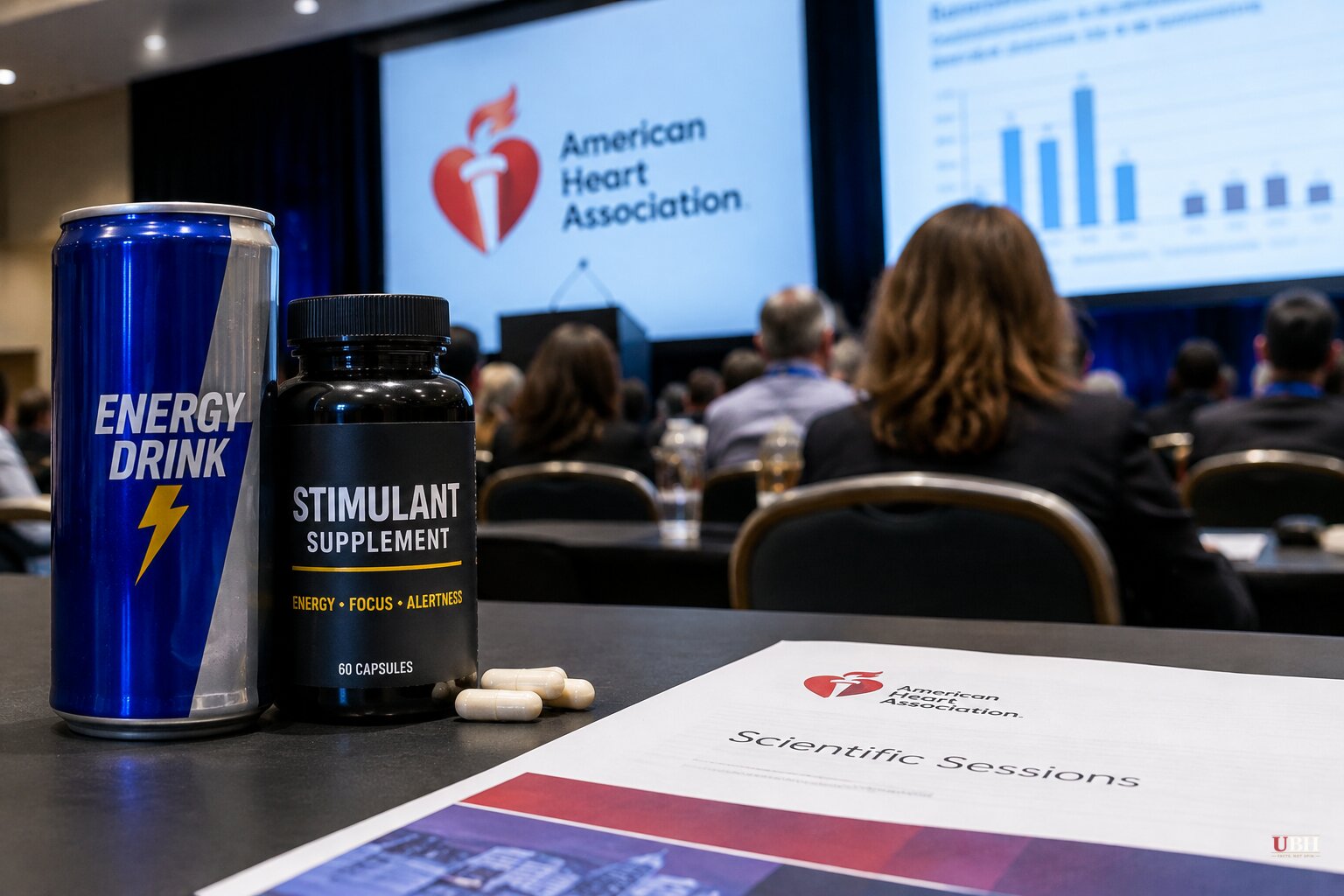
A new analysis of government safety reports found that energy drinks and stimulant supplements show up far more often in reports of serious heart events than ordinary foods and supplements do. The work was presented at the American Heart Association's annual meeting and released by the AHA on Nov. 2, 2026.
The numbers are big. The causal story is not settled.
What the researchers counted
The team analyzed 28,345 reports from people age 13 or older, filed between 2017 and 2025, in a government database of adverse reactions. Of those, 854 mentioned energy drinks or dietary supplements containing caffeine or other stimulants.
The other 27,491 involved products without those ingredients, including soft drinks, meal replacement shakes, protein bars, smoothies and vitamins.
Reports tied to the caffeine and stimulant products were far more likely to describe serious cardiovascular problems:
- Cardiac arrest: about 11 times more common
- Heart attack: about 4.5 times more common
- Abnormal heart rhythms: about 4 times more common
- Elevated heart rate: nearly 3 times more common
- Chest pain: 2.7 times more common
- Fainting: twice as common
The pattern was strongest among adults ages 18 to 34, a group not usually considered high risk for heart trouble.
The dose problem
The AHA's scientific statement on caffeine and cardiovascular disease, issued earlier this year, says up to 400 mg of caffeine a day is generally safe for most adults. That is roughly five cups of black coffee.
Energy drinks can blow past that. Some contain as much as three times the caffeine per fluid ounce of brewed coffee. Some pre-workout supplements contain more than 12 times as much.
Other stimulant additives found in the products included theobromine, guarana, yerba mate, green tea and coffee extracts, and compounds such as synephrine, yohimbine, ephedra, DMAA and higenamine, the researchers said. Sales of caffeinated energy drinks have more than doubled over the past decade.
Study author Sai Samayamanthula said the products "are marketed as everyday pick-me-ups and sold next to soda and bottled water, so most people assume they carry no real risk." For many healthy people, he said, occasional use probably carries a small risk. But "individuals who consume energy drinks or other stimulant-containing supplements regularly can quickly exceed the recommended daily limit for caffeine."
What the study cannot show
The analysis compares reports against other reports. It does not measure how many people drank these products, how much they consumed, or how many of them had heart events.
Dr. Gregory Marcus, chair of the 2026 AHA scientific statement on caffeine and cardiovascular disease and associate chief of cardiology for research at UCSF Health, was not involved in the study. He said it "raises concerns that products with very high amounts of caffeine may be harmful to the cardiovascular system."
He then added a limit: "the study does not prove that caffeine products cause these events, because other factors may have influenced the results found in this analysis." Marcus said more research is needed to determine whether the stimulant products are truly responsible.
The researchers themselves could not say why young adults appeared more affected. They pointed to possible explanations, including different drinking patterns, consumption before intense exercise, mixing with alcohol or drugs, and undiagnosed heart conditions. None has been tested in this analysis.
Findings presented at medical meetings are considered preliminary until published in a peer-reviewed journal. This one has not yet been.
What the authors want next
Samayamanthula said the findings "support the case for more systematic safety monitoring of caffeine- and stimulant-containing products." He also urged clinicians to ask younger patients with palpitations, chest pain or fainting spells whether they recently or regularly consume them.
The researchers have not called for a ban, and no regulator has announced action in response to the findings. The open question is whether peer review and better exposure data can separate the products' effects from other factors, such as exercise, alcohol or existing heart conditions.
Sources used for this briefing
6 links from 6 independent newsrooms (syndicated copies of the same report count once)
These are the sources it draws on, linked so you can verify.


