
Unbiased headlines. Facts, not spin.
Every story is an unbiased news briefing written from 110+ sources across the spectrum — sources linked so you can verify it yourself.
 economy
Notable (6/10)
August 4, 2026 at 01:06 PM
economy
Notable (6/10)
August 4, 2026 at 01:06 PM
Study Finds 89% of Tested Avocado Oil Products Contain Other Oils Despite Label Claims
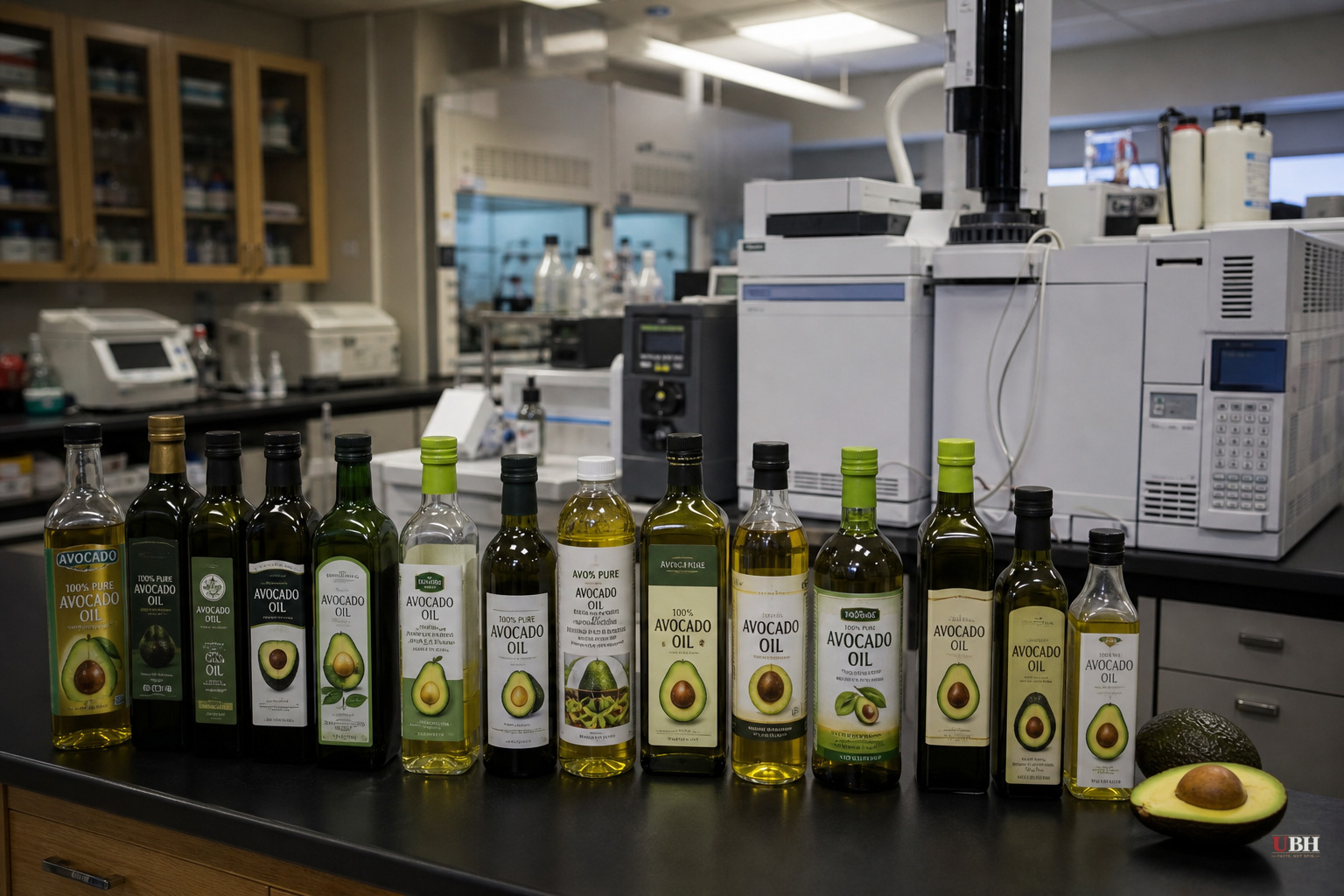
Researchers at UC Davis ran a chemical analysis on 54 packaged foods, from potato chips to salad dressing to mayonnaise, that all listed avocado oil as their sole oil ingredient. According to NPR's Planet Money newsletter, which cited the study and reporting by NPR's Maria Godoy, 89% of those products appeared to be cut with other, cheaper oils despite what the label said. One product, according to one of the researchers, appeared to contain no avocado oil whatsoever.
Nearly nine out of ten products failed to be what they claimed to be on the package.
If a manufacturer lists avocado oil as the only oil ingredient and the product actually contains soybean oil, canola oil, or something else entirely, that's a potential violation of federal food-labeling law. The study didn't pin down who's responsible. It's unclear whether the brands themselves knew about the substitution, whether it happened somewhere upstream in the supply chain, or whether suppliers were cutting corners without the companies' knowledge. That's an open question the study doesn't answer, and it matters, because "company lied to you" and "company got scammed by its own supplier" are very different problems requiring very different fixes.
Either way, consumers paying a premium for avocado oil products are, in a lot of cases, not getting what they paid for. Avocado oil isn't cheap. Consumers picking it specifically for its taste, its smoke point, or its fat profile compared to, say, soybean oil, are being sold something else without being told.
The Bigger Racket: Healthwashing
The avocado oil case is the extreme version of a much broader practice that consumer advocates call "healthwashing," as described in the Planet Money piece. It's the label version of greenwashing. Companies slap "organic," "non-GMO," "high protein," "no cholesterol," or "100% avocado oil" on packaging to justify a higher price tag and to nudge shoppers into thinking they're buying something better for them.
None of those buzzwords are illegal to use, and most of them don't guarantee the product is healthier at all.
"Organic" tells you about farming methods, not sugar content. A product can be organic and still loaded with sugar, sodium, and saturated fat. "Non-GMO" has nothing to do with nutrition either. It's a genetic modification claim, not a health claim, even though it's marketed to feel like one. None of this is new information to anyone who's looked closely, but it's exactly why the label works. Most shoppers are moving fast through a store, not stopping to parse the difference between a marketing claim and a nutrition fact.
Two Different Problems, One Playbook
There's a real distinction between what's outright fraud and what's just aggressive marketing, and it matters for how you think about accountability.
Mislabeling the actual ingredient, saying a product is 100% avocado oil when it's not, is a factual claim that's either true or false. If it's false, that's a potential violation of federal labeling rules, full stop, regardless of anyone's politics. That's the kind of thing the FDA is supposed to police through spot testing and enforcement action, and a study like this one out of UC Davis is exactly the kind of independent check that can push regulators or litigators to act.
Buzzword marketing is different. Calling a product "healthy-sounding" through words like organic or non-GMO isn't a lie. It's a psychological nudge, and it's legal, because those terms have specific regulatory definitions that don't include "this makes the product nutritious." Consumers who assume otherwise are making an inference the label never actually promised.
Neither problem requires a government crackdown on food marketing to fix. What it requires is consumers who read past the front of the package to the actual ingredient list and nutrition panel, and enforcement of the labeling rules that already exist when companies cross the line from marketing into factual misrepresentation. The market already has a mechanism for this: if the UC Davis findings hold up and get real attention, the reputational and possibly legal cost to brands caught cutting their avocado oil should be a bigger deterrent than any new regulation would be.
The unresolved piece is enforcement. The study flags a labeling problem across dozens of products, but as of now no broad FDA enforcement action or recall tied specifically to these findings has been reported. Whether the agency, or private litigation, follows up on 89% of a tested category failing to match its own label is the next thing worth watching.
Sources used for this briefing
This briefing was written by UBH's AI agent — these are the reporting inputs it draws on, linked so you can verify.


