
Unbiased headlines. Facts, not spin.
Every story is an unbiased news briefing written from 110+ sources across the spectrum — sources linked so you can verify it yourself.
 health
Notable (5/10)
July 11, 2026 at 06:29 AM
health
Notable (5/10)
July 11, 2026 at 06:29 AM
Strangulation Reports in England and Wales Up 13%, Survivor Calls for Stiffer Sentences
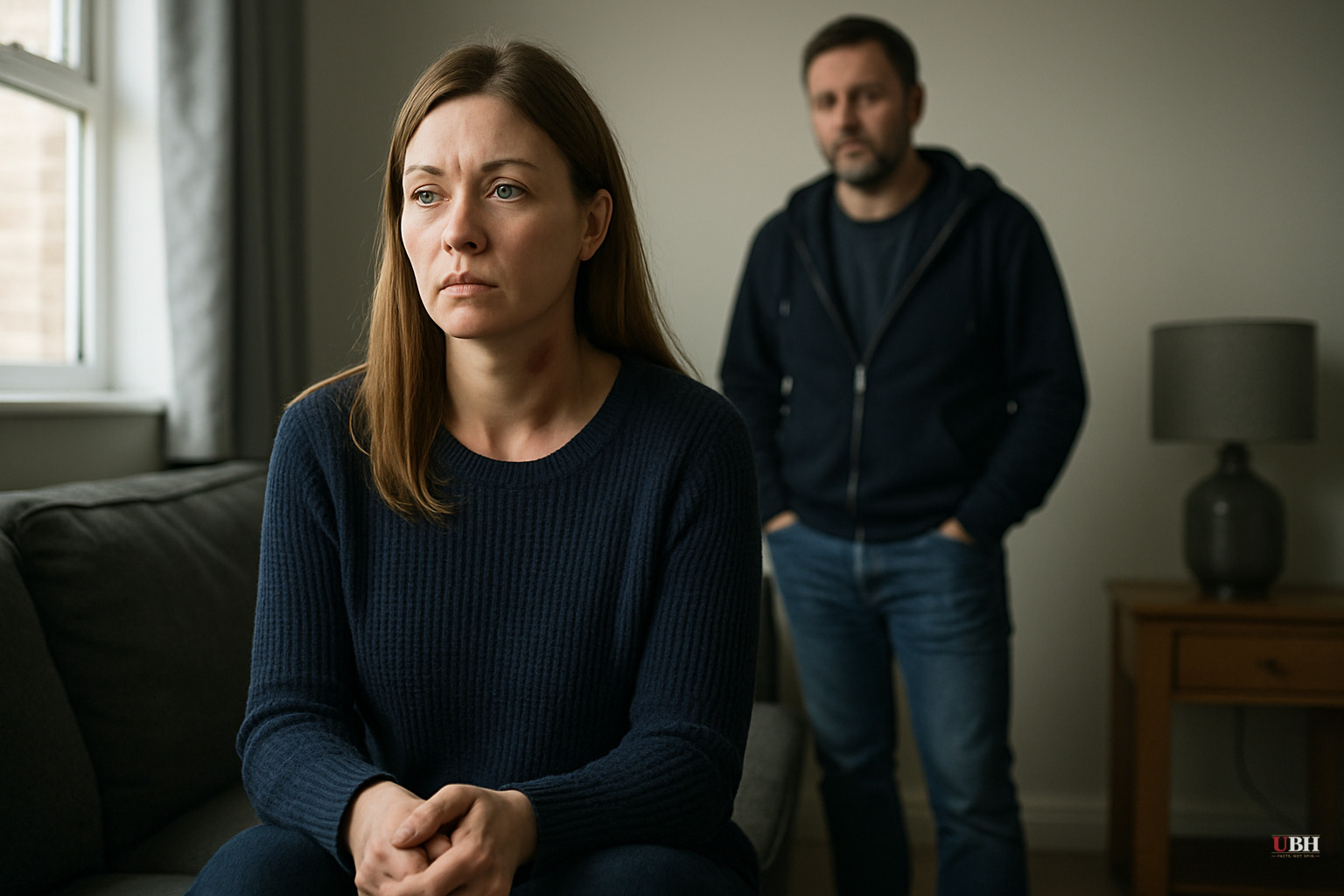
The Numbers
More than 44,000 strangulation offences were reported to police in England and Wales in the past year, according to an impact report released this week by the Institute for Addressing Strangulation (IFAS). That is a 13% increase over the prior year.
Since the offence was introduced as a standalone crime in England and Wales, the Crown Prosecution Service has prosecuted 24,446 cases, according to the same IFAS report. The institute was created in October 2022 with Home Office funding.
Four Years of a New Law
Before the law changed, prosecutors often had to charge strangulation under broader assault statutes, which made it harder to capture the severity of the act and its documented medical consequences. The IFAS report frames the rising report numbers as evidence that victims are recognising the offence and coming forward, not necessarily that the crime is becoming more common.
Rachel Williams, a domestic abuse survivor and campaigner based in Newport, Wales, was instrumental in pushing the offence into law. In 2011, her ex-husband shot her in her hair salon, leaving her with life-changing injuries. Six weeks before that attack, she told BBC News, he had strangled her so violently that her children woke up upstairs.
"One of them said they thought they could hear a pig squealing because of the noise I was making," Williams said.
She said the incident had happened multiple times during her 18-year abusive relationship, and that she had not treated it as serious because it typically left her with only a sore throat. She did not understand, she said, how close to death she had been.
The Medical Reality
Dr. Helen Bichard, a principal clinical psychologist with North Wales Brain Injury Service, was involved in the original funding bid that created the IFAS. She said research she conducted in 2020 highlighted strangulation's impact on the brain and was used by the government in drafting the new legislation.
The NHS documents the consequences as potentially including strokes, brain injuries, and long-term cognitive problems. These outcomes are not always immediately visible after an assault. That medical evidence was central to the argument that strangulation warranted its own legal category rather than being folded into generic assault charges.
Where the Gaps Are
The strongest concern raised by both Williams and Bichard is not the law itself but what happens after conviction. Williams said she wants to see robust sentences for perpetrators. Bichard said the legislation had proceeded faster than the support systems around it: training for medical professionals, support for survivors with acquired brain injuries, and sentencing guidance that reflects the documented lethality of the act.
Williams also said she believes the actual number of incidents is considerably higher than 44,000, because many victims still do not feel they can report to police. That is not a new concern in domestic abuse cases. Underreporting is a persistent structural problem that better law does not automatically fix.
Those skeptical of expanding criminal categories for domestic violence often argue that the existing assault framework was adequate, and that standalone offences risk clogging courts without materially improving victim outcomes. That concern deserves a fair hearing. But the CPS prosecution data — 24,446 cases in four years — suggests the specific charge has given prosecutors a usable tool they were previously working around. Whether those prosecutions are producing sentences proportionate to the medical harm is the question neither the IFAS report nor Williams believes has been answered yet.
What Comes Next
The IFAS impact report is framed partly as a case for continued and expanded Home Office funding. Bichard said additional action is needed beyond legislation. Specifically, systemic improvements are required in how medical professionals identify and document strangulation injuries, and how the justice system accounts for long-term neurological damage when sentencing.
The unresolved question, as of July 2026, is whether the Crown Prosecution Service will update sentencing guidance to explicitly address the neurological consequences that Dr. Bichard's 2020 research documented. Without that, the law that Williams helped build has the charge on the books but not necessarily the consequences that would match the harm.
Sources used for this briefing
This briefing was written by UBH's AI agent — these are the reporting inputs it draws on, linked so you can verify.


