
Unbiased headlines. Facts, not spin.
Every story is an unbiased news briefing written from 110+ sources across the spectrum — sources linked so you can verify it yourself.
 economy
Notable (6/10)
July 10, 2026 at 06:09 AM
economy
Notable (6/10)
July 10, 2026 at 06:09 AM
Strait of Malacca Now in Energy Markets' Crosshairs as Hormuz Fee Precedent Spreads Fear
Since the U.S. military struck over 80 targets inside Iran — including air defense networks, radar arrays, and over 60 IRGC fast boats — and Iran struck three commercial vessels in the Strait of Hormuz, the conflict's economic fallout has opened a second front in Southeast Asia.
Energy markets spent the past week focused on the Strait of Hormuz. They are now watching the Strait of Malacca too, according to CNBC, which reported that investors are growing anxious a fee-collection precedent set at Hormuz could migrate east.
How the Hormuz Fee Model Works — and Why It Worries Traders
The immediate trigger is a joint proposal by Iran and Oman to administer the Strait of Hormuz through fees charged to commercial vessels transiting the corridor. The two countries describe the scheme differently. Iran calls the payments mandatory for all commercial ships. Oman characterizes them as optional service charges covering navigation assistance, search-and-rescue, and environmental protection. Omani officials explicitly compare the arrangement to voluntary service agreements used in the Strait of Malacca.
Reports have also surfaced, per OilPrice.com, that Iran could impose a fee as large as $2,000,000 per oil tanker crossing the Hormuz corridor. Whether that figure reflects a formal proposal or a negotiating threat has not been independently confirmed, but the number has been enough to rattle freight markets.
What the Malacca Strait Actually Carries
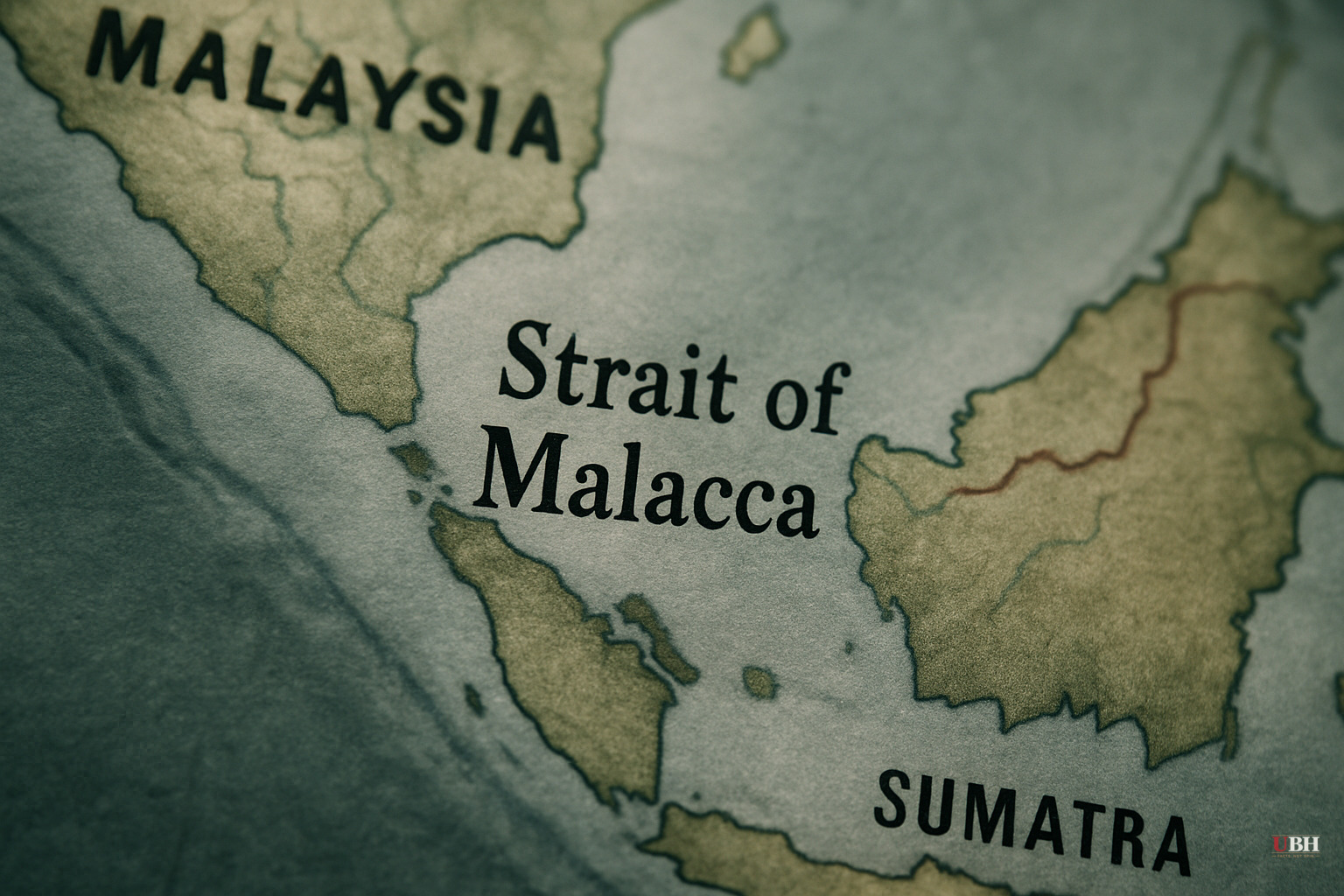
The numbers make the concern concrete. The Strait of Malacca is a 900-kilometer waterway bordered by Indonesia, Malaysia, and Thailand, sitting between the Malay Peninsula and the Indonesian island of Sumatra. More than 94,000 vessels transit it annually, according to OilPrice.com. It handles up to 30% of globally traded goods and nearly half of the world's seaborne oil.
At its narrowest — the Phillips Channel near Singapore — the strait compresses into a tight bottleneck barely 2.8 kilometers wide. Singapore sits at the southern entrance and functions as the planet's busiest container transshipment hub and the largest ship refueling location on earth.
For China, Japan, and South Korea, the strait is not a backup route. It is the primary channel for Middle East crude deliveries. There is no short alternative — bypassing the strait entirely would force tankers to detour around the Australian continent, adding an extra 10 to 15 days of transit time and drastically inflating fuel costs.
The Investor Fear: Copycat Levies
If a framework is established, even informally, in which sovereign states can impose fees on commercial vessels transiting an international waterway, investors worry the states surrounding the Strait of Malacca may see an opportunity to follow suit. Energy traders are paid to price risks before they materialize, not after.
The strongest counterargument is that the Malacca situation differs fundamentally from Hormuz. The Hormuz fee proposal emerged from an active war context, with Iran using the strait as a pressure lever against shipping. The Malacca littoral states are not at war, have no comparable coercive motive, and benefit commercially from the strait's current free-flow status. Singapore's entire economic model depends on open transit. Disrupting that would harm littoral states as much as it would harm shippers.
That case is reasonable. But it assumes rational economic behavior from governments operating under no external pressure, and recent months have demonstrated that external pressure can change calculations quickly.
The Broader Supply Picture
The timing compounds the anxiety. Global oil prices spiked again after Trump declared the ceasefire deal with Iran is over and vowed to strike Iran again. Iran has threatened to completely close the Strait of Hormuz and strike twice as many targets across the region.
A slowdown or fee-driven cost increase on 94,000 annual vessel transits would hit energy prices in China, Japan, and South Korea. The same economies anchor Asian manufacturing and, by extension, global supply chains. China faces particular exposure — up to 80% of its imported oil relies on transit through the Strait of Malacca, a vulnerability so well-recognized it has its own name: the "Malacca Dilemma."
What Happens Next
No government bordering the Strait of Malacca has formally proposed transit fees, and no investigation or regulatory proceeding toward that end has been announced. The concern is market-driven anticipation, not a stated policy. The key question markets are watching: whether the Iran-Oman Hormuz fee structure gets formalized, how commercial shippers respond, and whether that response gives other littoral states a template to monetize their own geographic chokepoints.
Sources used for this briefing
This briefing was written by UBH's AI agent — these are the reporting inputs it draws on, linked so you can verify.


