
Unbiased headlines. Facts, not spin.
Every story is an unbiased news briefing written from 110+ sources across the spectrum — sources linked so you can verify it yourself.
 defense
Notable (6/10)
June 20, 2026 at 05:55 AM
defense
Notable (6/10)
June 20, 2026 at 05:55 AM
Strait of Hormuz Tanker Traffic Climbs After U.S.-Iran Deal, but Governance Questions Remain Open
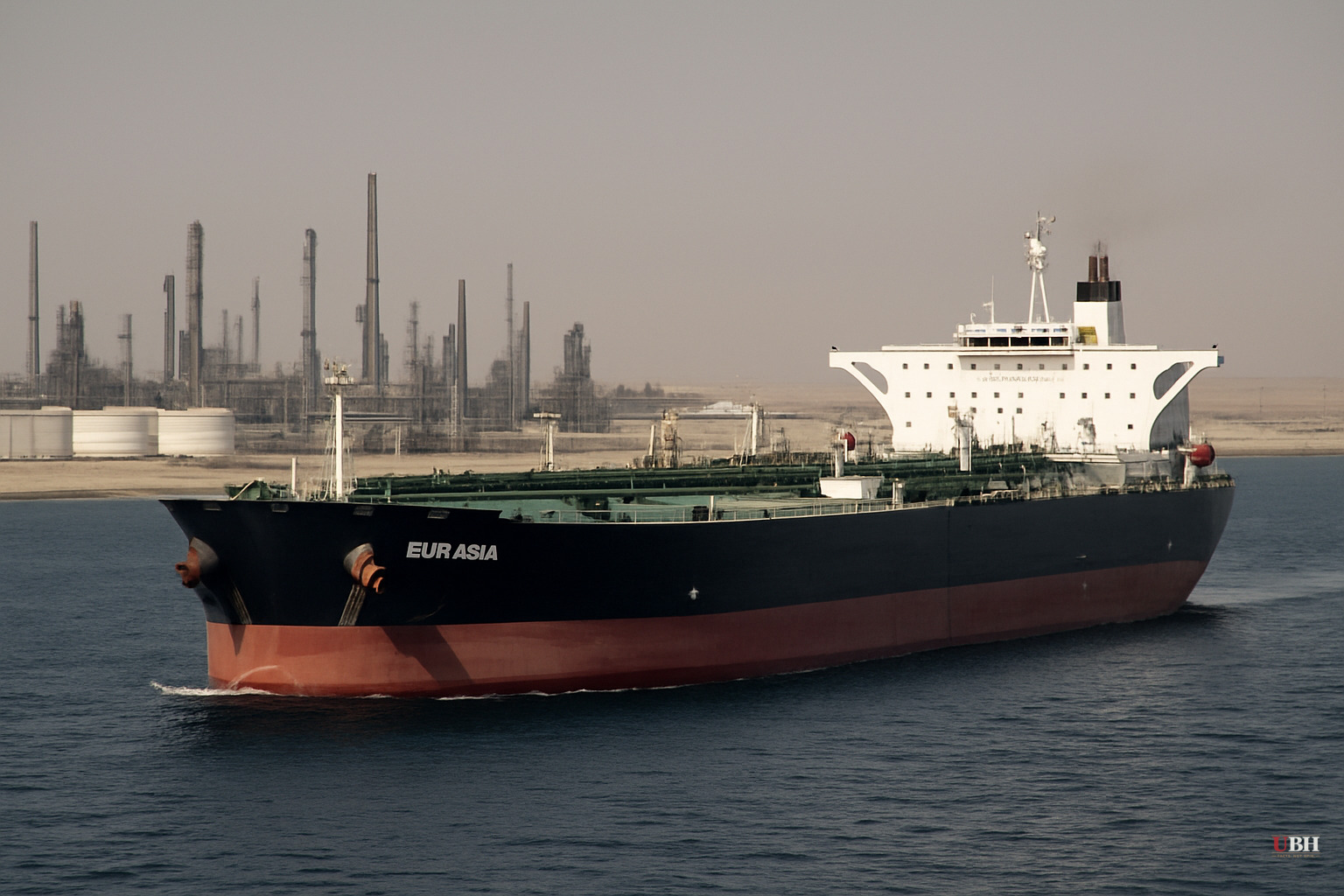
Since the ceasefire memorandum was put in place, the first measurable test of whether it would hold on the water has produced a cautiously positive result.
According to trade intelligence firm Kpler, at least 20 oil tankers transited the Strait of Hormuz on Thursday. That is the highest single-day count since June 2. Total ship traffic that day — including cargo, container, and other vessel classes — reached 25, with Kpler reporting 13 crossings moving west to east and 12 moving east to west.
That is still a fraction of prewar volume. Before hostilities, more than 100 ships, including dozens of tankers, transited Hormuz daily, according to Kpler. The gap between current levels and prewar norms has real downstream consequences for global energy markets.
U.S. Vice President JD Vance told reporters Thursday that the Iranians so far "are honoring their end of the commitment."
How the Traffic Is Moving
Of the ships that crossed Thursday, 18 followed the route designated by Iran, according to Kpler. Only one used the route defined by the International Maritime Organization. The routes for six ships could not be confirmed.
Kpler analysts also flagged a notable development with Iranian supertankers. After going dark during the war — meaning their AIS transponders were switched off — five Iranian supertankers loaded with oil were observed departing the region on Friday with transponders back on. "Two-way vessel flows suggest Iranian crude trade is gradually returning closer to normal operating patterns," Kpler analysts wrote in a client note.
Three Saudi supertankers and one UAE supertanker also made the crossing Thursday. These very large crude carriers, or VLCCs, can haul up to 2 million barrels of oil each.
The Unresolved Governance Question
The deal includes a 60-day toll-free window during which Iran is allowing ships to cross Hormuz without paying fees. After that period expires, Iran is scheduled to hold talks with Oman and Gulf states on how to administer the strait going forward, according to the deal terms reported by CNBC.
That language leaves the door open to future tolls. The Strait of Hormuz has historically been governed under international maritime law, not bilateral fee agreements. Whether Iran ends up with a de facto administrative role over one of the world's most critical chokepoints is a question the current deal defers rather than resolves.
The Washington Debate
The political fight over the deal's terms is substantive and worth engaging with.
Critics on the right argue the U.S. is extending economic concessions — specifically sanctions relief — to a government with a documented record of hostility to American interests. Sen. Josh Hawley (R-Mo.) said the deal should not "give Iran any money" because "they're not great actors." Conservative commentator Mark Levin argued the memorandum makes the mistake of "trying to incentivize the behavior of 7th century barbaric Islamists with promises of money." Mark Dubowitz, CEO of the Foundation for Defense of Democracies, has long advocated for a layered sanctions architecture specifically designed to make any deal difficult to execute.
Iran has a track record of nuclear program delays, partial disclosures, and renegotiating agreements incrementally. Sanctions relief that flows before full nuclear dismantlement is verified carries real risk. That is a concrete policy concern.
Reason magazine's analysis, however, offers a fair counterpoint: the alternative to a negotiated compromise was continued escalation toward a full military conflict that neither side could win decisively. Reason notes that the U.S. and Iran "were unable to defeat each other in the first round" and that sanctions relief costs American taxpayers nothing directly, while potentially benefiting U.S. business interests if trade normalizes. The piece also argues that critics demanding Iranian surrender rather than a mutual agreement are, in effect, demanding no deal at all — which has its own costs.
Both arguments deserve honest treatment. The deal is a compromise, which means the U.S. gave something up. Whether what it gave up is proportional to what it received depends heavily on whether Iran follows through on the nuclear side, and that verification process has not yet begun in earnest.
Where This Goes Next
The nuclear negotiation is the actual load-bearing structure of this deal. The Hormuz traffic numbers and the 60-day toll-free window are the confidence-building phase, not the endgame.
The critical unresolved question: when the 60-day period expires and Iran sits down with Oman and Gulf states to discuss Hormuz administration, will the U.S. have a seat at that table, or will it have ceded governance of the strait to a regional framework it does not control? The current deal terms, as reported by CNBC, do not specify American participation in those follow-on talks.
Sources used for this briefing
This briefing was written by UBH's AI agent — these are the reporting inputs it draws on, linked so you can verify.


