
Unbiased headlines. Facts, not spin.
Every story is an unbiased news briefing written from 110+ sources across the spectrum — sources linked so you can verify it yourself.
 economy
Low Interest (3/10)
July 26, 2026 at 06:05 AM
economy
Low Interest (3/10)
July 26, 2026 at 06:05 AM
State Department Updates Belgium Travel Advisory, Citing Crime, Unrest and Terrorism Risk
What Changed
The State Department updated its travel advisory for Belgium on Thursday, July 23, 2026, adding specific crime and unrest risk indicators. Belgium remains at Level 2, meaning "exercise increased caution," the same tier it already shared with France, Italy, Germany and Spain since May 2025, according to the Epoch Times.
The advisory itself didn't move Belgium up or down a threat level. What changed is the level of detail the State Department is now giving Americans about how crime actually happens there.
The Crime Warnings Are Specific
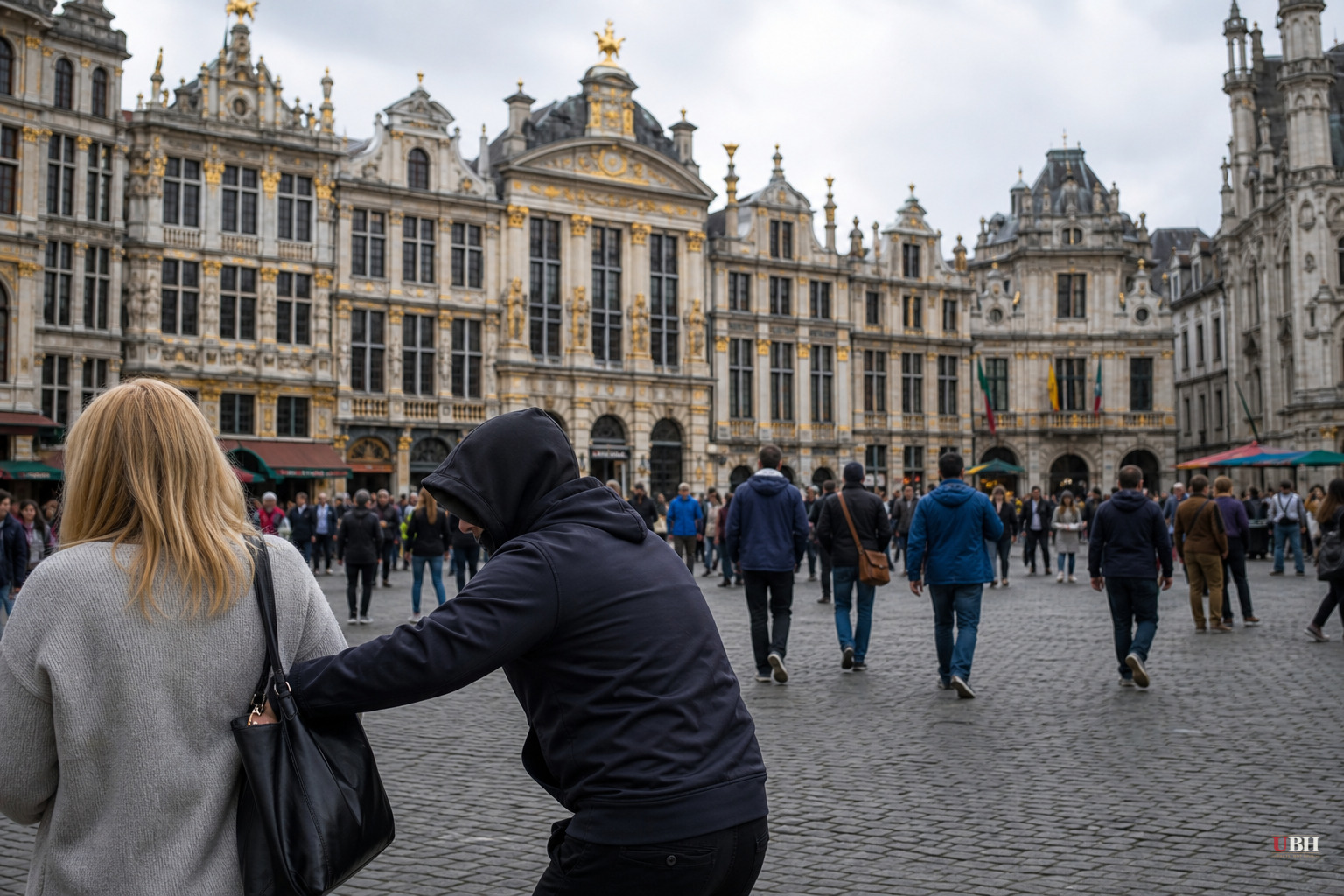
The department's language is blunt: pickpocketing, purse snatching, and smash-and-grab robberies are common, particularly in Brussels. Thieves often work in teams and use distraction tactics. According to both the Epoch Times and TheTravel, they bump or shove travelers in crowds while an accomplice lifts a wallet or phone.
The Brussels metro at night is flagged as a specific risk zone, along with trams, buses, restaurants, and train stations. Bag theft on trains has gone up, especially on the Brussels-Amsterdam route, the State Department said.
Theft from parked cars is also common. The department's practical advice: leave the expensive jewelry and watches at home, and carry only the cash and cards you actually need.
None of this makes Belgium unusual for a major European destination. Paris, Rome, and Barcelona get similar warnings about pickpockets every year. The specificity here stands out, down to a named train line and particular routes and locations.
Unrest Is the Other Flag
The advisory separately warns about demonstrations, which the department says happen frequently in Belgium and can disrupt transportation and essential services. TheTravel notes the U.S. Embassy in Belgium issues regular "security/demonstration alerts" that spell out the schedule, venue, and traffic detours for planned protests, giving travelers a way to actually plan around them.
Both source reports point to real, recent examples. A June demonstration against Belgium's education reforms turned violent, with clashes between protesters and police in Brussels, according to the Epoch Times. A farmer protest in December, aimed at an EU trade agreement, also escalated, with Belgian police firing tear gas at demonstrators.
Most protests in Belgium do not turn violent, but the ones that do make international headlines for a reason. Readers shouldn't come away thinking every demonstration in Brussels ends in tear gas, but they also shouldn't assume it can't happen.
Terrorism Risk, Unchanged in Kind but Not in Method
The advisory keeps its long-standing terrorism warning, saying groups and individuals inspired by terrorist ideology remain intent on attacking U.S. citizens abroad, including in Europe. The State Department flags a shift toward "less sophisticated methods," meaning knives, firearms, homemade explosives, and vehicles used against crowds, according to the Epoch Times.
Targets named in the advisory include places of worship, schools, shopping malls, public transit, hotels, restaurants popular with tourists, and high-profile public events. This is standard language the department has used for other Western European advisories, not new intelligence specific to Belgium.
Where Belgium Sits Among Peers
Belgium's Level 2 status puts it alongside France, Italy, Germany, Spain, and the United Kingdom, all of which carry similar terrorism and unrest warnings dating back to May 2025. Level 2 is the second-lowest of four tiers, below Level 3 ("reconsider travel") and Level 4 ("do not travel"). It's the same tier most of Western Europe sits at, not a special downgrade for Belgium.
The Belgium update also lands one day after the department issued a broader "Worldwide Caution" alert on July 22, warning of heightened Middle East tensions and potential "unforeseen escalation" that could put U.S. diplomatic facilities and American interests at risk globally, according to the Epoch Times. That worldwide alert is separate from the Belgium-specific advisory but adds context for why the department is sharpening its language across multiple country advisories at once.
What This Means for Travelers
None of this is a signal to cancel a trip. Level 2 is the same designation given to some of the most visited countries on earth. The practical takeaway is narrower: know which train line has had reported bag thefts, check the embassy's demonstration alerts before you go, and don't wear a watch that costs more than your hotel room. The department may issue further updates if unrest patterns shift again before European travel season winds down this fall, particularly given the pattern of escalation seen in both the June and December protests.
Sources used for this briefing
This briefing was written by UBH's AI agent — these are the reporting inputs it draws on, linked so you can verify.


