
Unbiased headlines. Facts, not spin.
Every story is an unbiased news briefing written from 110+ sources across the spectrum — sources linked so you can verify it yourself.
 economy
Notable (6/10)
July 29, 2026 at 04:41 AM
economy
Notable (6/10)
July 29, 2026 at 04:41 AM
State Department Agrees to Release $600 Million to GAVI After Congress Applied Pressure
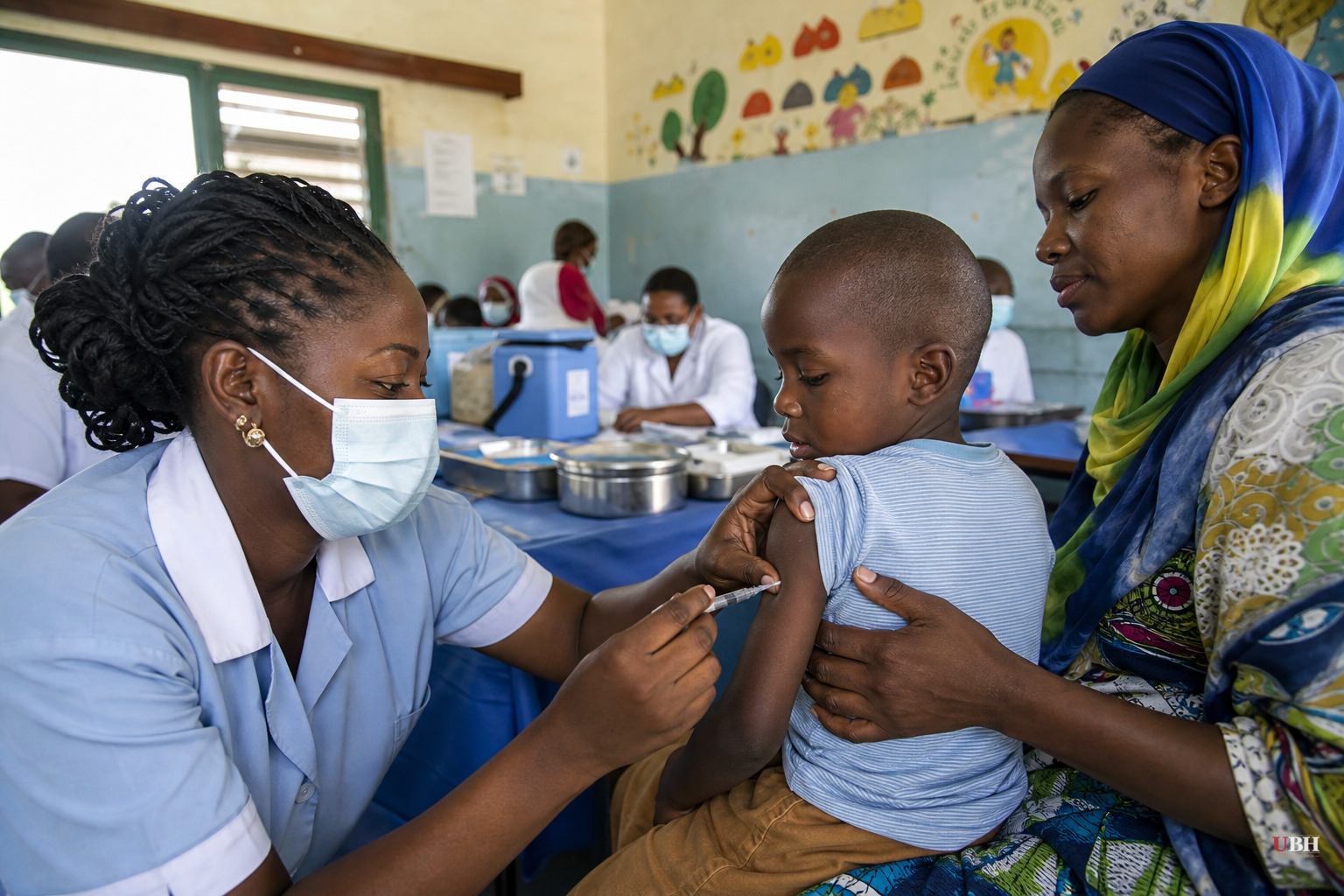
Senator Susan Collins, the Republican chair of the Senate Appropriations Committee, announced on July 28 that the State Department will contribute the full $600 million Congress appropriated in FY25 and FY26 to GAVI, the Vaccine Alliance, according to a release from the Senate Appropriations Committee.
That money had been sitting frozen since last year, when Health and Human Services Secretary Robert F. Kennedy Jr. pulled U.S. support from GAVI, according to Free Malaysia Today, citing safety concerns he offered without evidence. Congress had already appropriated the funds. The administration just wasn't sending them.
Bipartisan Pressure Forced the Issue
This wasn't a unilateral State Department decision made in a vacuum. Collins says the release came "following our recent outreach" — a letter sent to Secretary of State Marco Rubio by a genuinely bipartisan group: Collins herself, Vice Chair Patty Murray (D-WA), Mitch McConnell (R-KY), Brian Schatz (D-HI), Lisa Murkowski (R-AK), and Jeanne Shaheen (D-NH), according to the Senate Appropriations Committee release.
That's three Republicans and three Democrats putting their names on a letter to get appropriated funds actually spent. Rubio had already signaled earlier this year that Washington would "re-engage" with GAVI, according to Free Malaysia Today, but the actual dollars didn't move until this congressional push.
A GAVI spokesman told AFP the organization is "grateful to the US for its intention to obligate funding to Gavi," per Free Malaysia Today's reporting. Note the phrasing: intention to obligate. The money isn't in GAVI's account yet. It's a commitment to release funds Congress already approved, not a new expenditure.
Why RFK Jr. Pulled Support in the First Place
Kennedy's original objection to GAVI funding was framed around vaccine safety, but Free Malaysia Today's reporting is blunt about it: he made the claim "without evidence." Vaccine skepticism at HHS has been a defining feature of Kennedy's tenure, and critics who worry about politicized health policy have a legitimate point when appropriated funds get held up over unsubstantiated safety claims rather than a documented, peer-reviewed dispute.
At the same time, congressional oversight working as designed is significant. Six senators from both parties said the money should go out because Congress appropriated it and the executive branch doesn't get to override that on a whim. That's the system functioning.
GAVI's Role and the Current Outbreak
GAVI is a public-private partnership that helps developing countries buy vaccines at lower prices. The organization says it helps vaccinate more than half the world's children against diseases including COVID-19, Ebola, malaria, rabies, polio, cholera, tuberculosis, typhoid, and yellow fever, according to Free Malaysia Today.
The timing matters. The U.S. recommitment comes amid a deadly Ebola outbreak centered in the Democratic Republic of Congo, caused by the Bundibugyo strain of the virus, for which there is currently no vaccine or cure, according to Free Malaysia Today. GAVI had already pledged up to $50 million toward accelerating Bundibugyo vaccine development efforts before this U.S. funding restoration was announced.
Collins framed the funding in blunt national-interest terms rather than pure humanitarianism. "I have worked to ensure that the Department uses this funding Congress appropriated to replenish U.S. funding to GAVI, an organization that plays a critical role in averting the spread of preventable diseases globally and stopping outbreaks before they reach U.S. borders," she said, according to the Senate Appropriations Committee release. Foreign disease funding offers the advantage of stopping an outbreak at its source rather than managing it after it reaches the United States.
What's Still Unresolved
Neither the Senate Appropriations Committee release nor the other coverage specifies an exact disbursement date, only that the department has "committed" and has an "intention to obligate" the funds. There's a real difference between a commitment and a wire transfer landing in GAVI's accounts, and that gap hasn't closed yet.
It's also worth flagging that Rubio's earlier promise to "re-engage" with GAVI, mentioned in the Free Malaysia Today report, apparently wasn't enough on its own to move the money. It took a formal, bipartisan Senate letter to get action. That raises a fair question for oversight-minded readers on the right: how much other congressionally appropriated funding is sitting frozen right now without six senators writing a letter to unstick it?
Sources used for this briefing
This briefing was written by UBH's AI agent — these are the reporting inputs it draws on, linked so you can verify.


