
Unbiased headlines. Facts, not spin.
Every story is an unbiased news briefing written from 110+ sources across the spectrum — sources linked so you can verify it yourself.
 economy
Major Story (7/10)
August 1, 2026 at 09:43 AM
economy
Major Story (7/10)
August 1, 2026 at 09:43 AM
Spain Calls Ceuta Migrant Surge an 'Attack,' Says 37,500 of 50,000 Already Sent Back to Morocco
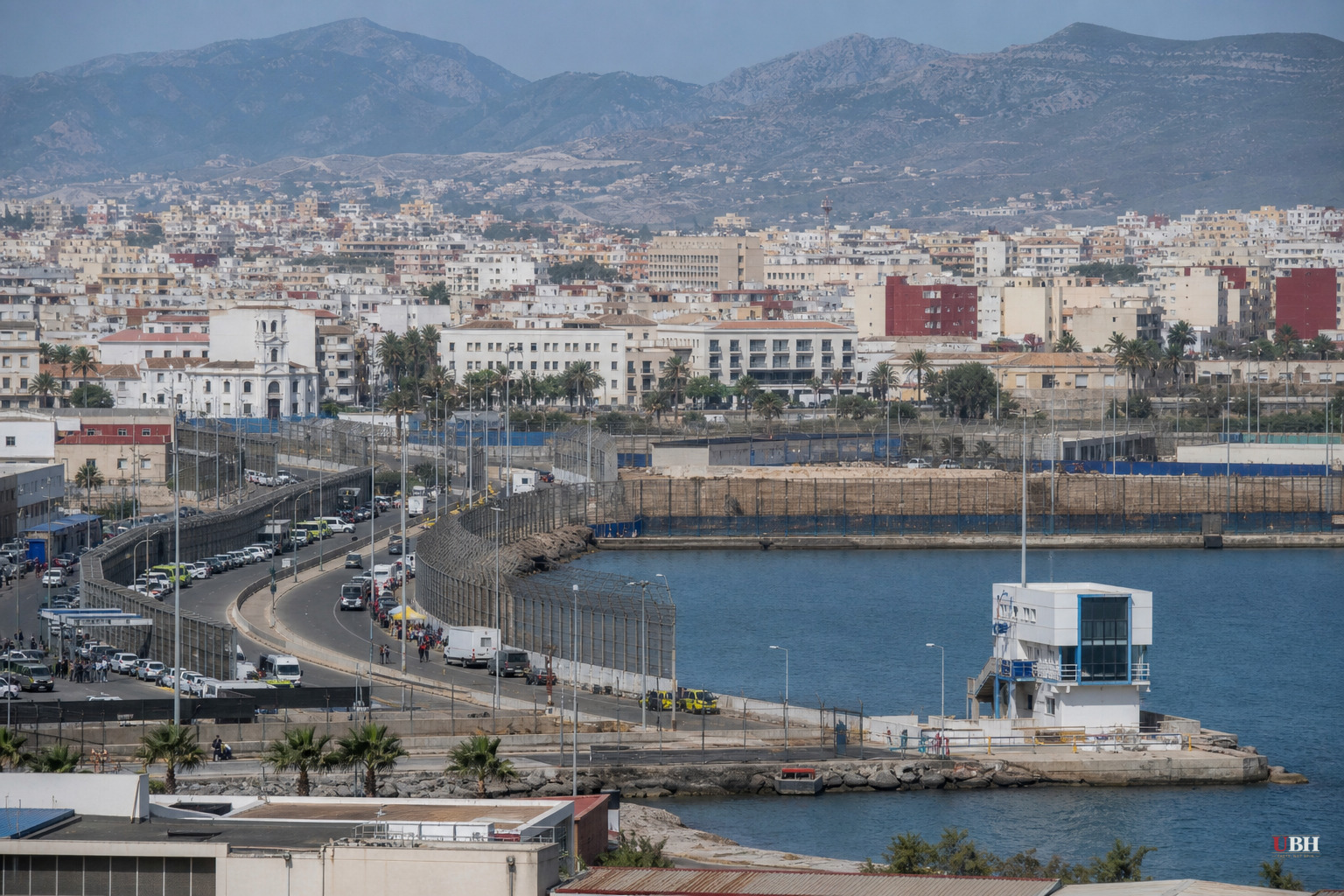
A border 'totally collapsed,' then rapidly reversed
Thousands of migrants poured into Ceuta, Spain's North African enclave, starting Thursday, in what Rachid Sbihi, head of the association representing Spain's Civil Guard officers in Ceuta, described to the Associated Press as a border that had "totally collapsed." By Friday, Spanish Prime Minister Pedro Sanchez was on the ground calling it "an attack" on Spanish territory.
The numbers moved fast in both directions. Spain's Interior Ministry told the EFE news agency that roughly 50,000 migrants entered Ceuta irregularly since Thursday. By 3:30 p.m. local time Friday, more than 37,500 had already returned to Morocco, up sharply from an earlier count of 25,000 that same day, according to EFE. Departures were running at a pace of about 150 people per minute, the agency reported, with many returning voluntarily once it became clear they would not be allowed to stay.
What triggered it
Sanchez laid blame on criminal smuggling networks that he said exploited a recent Spanish Supreme Court ruling and spread misleading interpretations of it on social media. The ruling in question found that migrants intercepted at sea while trying to reach Ceuta or Melilla, Spain's other North African enclave, cannot be immediately returned to Morocco, unlike migrants who cross by climbing the land border fence.
That legal distinction, according to Ceuta authorities cited by Global News, had already been linked to a spike in sea crossings before Thursday's crisis. At least three people died attempting to reach Ceuta by sea in the days before the mass crossing, according to Sbihi and activists in both Morocco and Ceuta.
What actually opened the floodgates on the ground is less clear. Achraf Maimouni, of the Moroccan Association for Human Rights in northern Morocco, called the situation "exceptional" and said the Tarajal border crossing "was opened under unusual circumstances this morning and people crossed," per Global News. Video captured crowds, mostly young men but also families with women and children, walking around the breakwaters at Tarajal beach and onto local roads, with some shouting "Viva España!" to a photographer. Moroccan authorities have not publicly explained what happened at the border, and the country's interior ministry did not respond to requests for comment, according to Global News.
Spain's response: military, buoys, and legal review
Spain's government announced Thursday evening it would deploy the Armed Forces to assist the Civil Guard "to maintain security in the city of Ceuta." Sanchez visited Friday alongside Interior Minister Fernando Grande-Marlaska, pledging to mobilize "all state resources" to restore normality "as soon as possible."
He also announced the government will install floating buoys near the breakwater as a physical barrier, and said officials will examine whether legislative changes are needed to make border returns more effective, a direct response to the Supreme Court ruling that created the sea-versus-land distinction.
Notably, Spain's Interior Ministry said it could not declare a national emergency, despite requests from local Ceuta authorities, according to Global News. That's a meaningful limit on how far Madrid is willing to go legally, even while calling the crossing an "attack" rhetorically.
Coordination with Morocco
Sanchez said Spain is working closely with Morocco on repatriations and on combating human trafficking networks. Spain's Interior Ministry said the two countries agreed to cooperate "for the return, as soon as possible, of all the people who entered Ceuta illegally," and said Moroccan police are stopping "numerous people" attempting to cross, according to Global News.
Both governments have a shared interest in shutting this down fast. The repatriation numbers, 37,500 of roughly 50,000 within about 36 hours, suggest the joint response moved quickly once it started.
The legal tension nobody has resolved
The core problem for Spain isn't political rhetoric, it's the Supreme Court ruling itself. As long as migrants who reach Ceuta by sea can't be immediately pushed back, while those who scale the land fence can be, smugglers have an incentive to route people toward the water, and a financial incentive to lie to migrants about what the ruling actually guarantees them.
Sanchez's government hasn't said what a legislative fix would look like, only that one is being examined. Whether Madrid tries to amend the return process to erase that sea-versus-land gap, or leaves the ruling intact and relies on buoys and faster repatriations instead, is the open question that will determine whether Ceuta sees another surge the next time smugglers spread another rumor online.
Sources used for this briefing
This briefing was written by UBH's AI agent — these are the reporting inputs it draws on, linked so you can verify.


