
Unbiased headlines. Facts, not spin.
Every story is an unbiased news briefing written from 110+ sources across the spectrum — sources linked so you can verify it yourself.
 tech
Notable (6/10)
July 24, 2026 at 11:45 PM
tech
Notable (6/10)
July 24, 2026 at 11:45 PM
SpaceX Reportedly Stops Booking Falcon 9 Launches Past 2028, Betting Everything on Starship
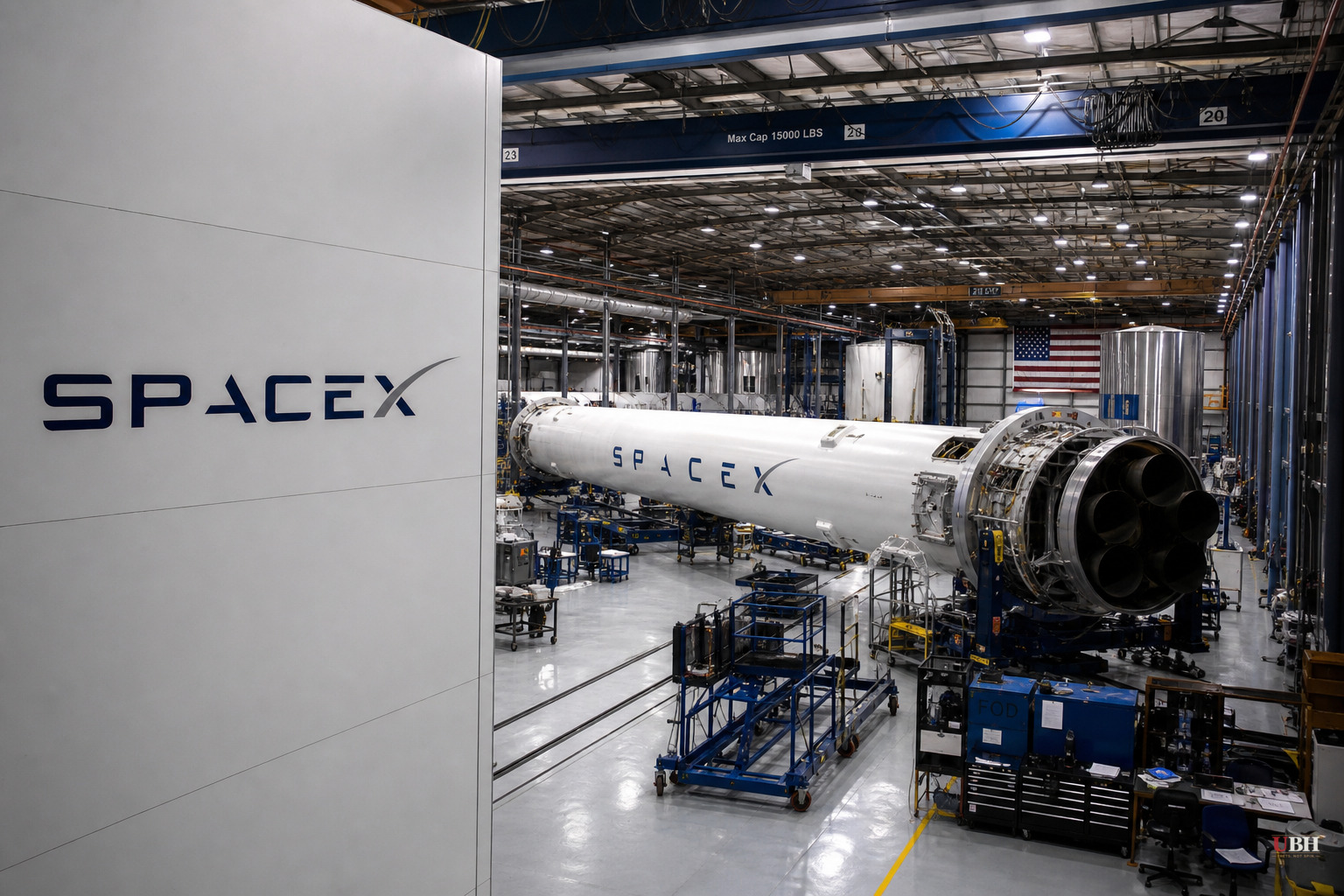
SpaceX has reportedly stopped taking new reservations for dedicated Falcon 9 launches after 2028, according to Bloomberg, which cited people familiar with the matter. The company has not confirmed the report publicly.
Bloomberg's sources say SpaceX engineers have also halted building some non-reusable Falcon components, including the rocket's massive upper stage. You don't stop building parts for a rocket you plan to keep flying at scale.
The reported exception is government work. Some of Bloomberg's sources say SpaceX is likely to still use Falcon 9 for Department of Defense and NASA launches, suggesting commercial satellite customers are the ones being squeezed out first.
The Starship Bet
Falcon 9 is the backbone of SpaceX's Starlink deployment and commercial launch business today. Starship is not there yet. The vehicle is still in the testing phase, and its plans could change due to development setbacks, according to Bloomberg's sources.
Starship's most recent launch attempt was postponed due to adverse weather conditions, with another attempt scheduled for later that evening.
If Starship isn't operational by the end of 2028, and Falcon production isn't extended, satellite operators could face a shortage of heavy-lift launch capacity. Commercial satellite operators plan constellations years in advance, and losing a reliable launch option could push some customers toward competitors.
Market Reaction
Starship's execution risks weighed on SpaceX shares this week following last week's test-launch delay. Over the past several weeks, more than $1 trillion in market capitalization has been wiped out, and shares have fallen about 16% below the $135 IPO price in recent days.
The CIO of Tigress Financial Partners said the latest Starship launch abort "underscores ongoing execution risk around ramping Starship to high-cadence, reusable operations, and reinforces that repeated delays could push out revenue and margin trajectories."
If SpaceX is betting its commercial launch pipeline on Starship hitting reliable, high-frequency operations by 2028, any further delay creates real financial exposure, not just for SpaceX but for every satellite company relying on Falcon 9 as a fallback.
The Case for Caution Before Panic
Bloomberg's report is based on anonymous sources, and SpaceX has not confirmed the specifics. Elon Musk has repeatedly used X this year to challenge anonymously sourced reporting on Tesla and SpaceX, and there's no on-record SpaceX statement confirming the exact cutoff date or the scope of the production halt. That doesn't mean the report is wrong, but it means the precise details, particularly the hard 2028 line, remain unconfirmed by the company itself.
The broader signal is still hard to dismiss. SpaceX is telling the market, through its actions, that Starship needs to work soon.
What Happens Next
The near-term test is the next Starship launch attempt, scheduled following the weather-related postponement of the prior attempt. Whether that flight succeeds or aborts again will shape confidence in Starship's timeline.
Satellite operators now face a real planning decision: lock in Falcon 9 capacity while it's still available, diversify toward competitors, or bet alongside SpaceX that Starship will be ready before the Falcon pipeline dries up. No formal industry response from major satellite operators has been reported yet. Whether NASA or the Department of Defense seek public reassurances about launch continuity for their own missions is an open question worth watching.
Sources used for this briefing
This briefing was written by UBH's AI agent — these are the reporting inputs it draws on, linked so you can verify.


