
Original briefings. Zero spin.
Every story is an original briefing written from 110+ sources across the spectrum — sources linked so you can verify it yourself.
 energy
Notable (6/10)
August 23, 2026 at 07:19 AM
energy
Notable (6/10)
August 23, 2026 at 07:19 AM
SpaceX Hires Natural Gas Trader as Company Builds Its Own Power Supply Chain
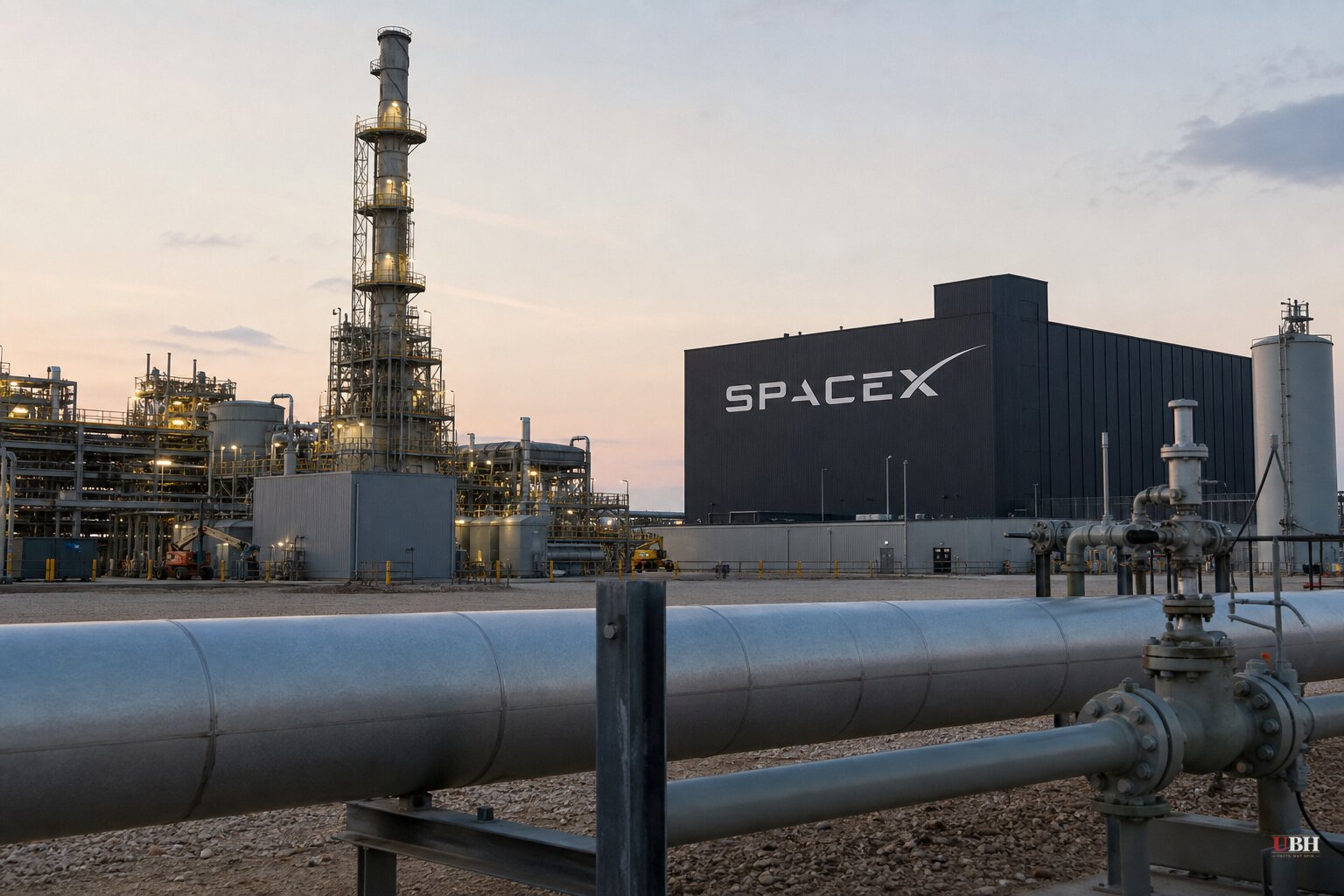
Elon Musk's SpaceX wants to trade its own natural gas. The company has posted a job opening for a trader to build and lead a natural gas trading team, according to Fortune and Bloomberg, which first reported the postings. The role is described as focused on "physical and financial natural gas trading" and requires the hire to work from Cape Canaveral, Florida, or Starbase, Texas. No remote work. Not Houston, not Calgary, not Stamford, Connecticut, the usual places gas traders live.
According to KuCoin, the posting went live in mid-August 2026 and calls for at least four years of energy market experience. The job also involves managing profit and loss and navigating regulatory compliance with the Commodity Futures Trading Commission and the Federal Energy Regulatory Commission. This is a company building a real trading desk with real regulatory exposure.
SpaceX's Starship rocket burns super-chilled methane, the main component of natural gas, mixed with liquid oxygen. KuCoin reports each launch burns through roughly 630,000 gallons of the stuff. Musk wants to launch a lot more often, and hauling fuel by tanker truck doesn't scale.
That's reportedly why SpaceX announced the Starpipe pipeline on June 25, 2026, an eight-mile line designed to carry gas directly from the Brownsville area to Starbase, Texas, with a target service date of January 2027, according to KuCoin.
Then there's the chip factory. Earlier this month SpaceX said it plans to build its own gas-fired power plants to run the massive semiconductor manufacturing facility it's developing in Texas with Tesla, according to Fortune, The Business Times, and Energy Connects, all citing the same Bloomberg reporting. Surging power demand from data centers and new factories is driving demand for gas plants generally, and Musk, as Fortune notes, has "long been a fan of vertical integration."
SpaceX President and COO Gwynne Shotwell told CNBC back in June that the company also plans to build its own gas pipelines and is even looking at drilling for natural gas itself. "Huge investments to develop our own propellant and bring it to the rocket," she said, per that CNBC interview as cited by Fortune and Energy Connects.
KuCoin also reports SpaceX is assessing natural gas needs for xAI data centers and potential power generation facilities, extending the ambition well beyond the launchpad.
SpaceX isn't inventing this playbook. Meta and OpenAI have both signaled plans to get into power trading as their own energy needs balloon, according to Fortune. OpenAI, for instance, is hiring a power-trading lead for its data center portfolio. The pattern across Big Tech and now Big Rocket is the same: don't just buy energy on the open market, build the internal muscle to trade it, hedge it, and control the supply chain end to end.
None of the sources report that SpaceX responded to requests for comment on the trading job posting. That silence isn't unusual for hiring announcements, but it means the company's own stated rationale here is limited to what Shotwell has said publicly and what's written into the job listing itself.
A trading desk with CFTC and FERC compliance obligations, run out of a rocket company's own offices instead of a traditional energy hub, is a new kind of animal for both agencies. Neither regulator has commented on SpaceX's plans, and no filings or agency actions related to the buildout have been reported. Whether Starpipe hits its January 2027 target, and whether SpaceX actually starts drilling for its own gas as Shotwell floated in June, will determine whether this is a hedge or the start of an actual energy company living inside a rocket company.
Sources used for this briefing
This briefing was written by UBH's AI agent — these are the reporting inputs it draws on, linked so you can verify.


