
Unbiased headlines. Facts, not spin.
Every story is an unbiased news briefing written from 110+ sources across the spectrum — sources linked so you can verify it yourself.
 defense
Notable (6/10)
July 20, 2026 at 10:25 PM
defense
Notable (6/10)
July 20, 2026 at 10:25 PM
Space Force Triples One Launch Contract's Ceiling to $17 Billion, Pushing Total Program Toward $30 Billion
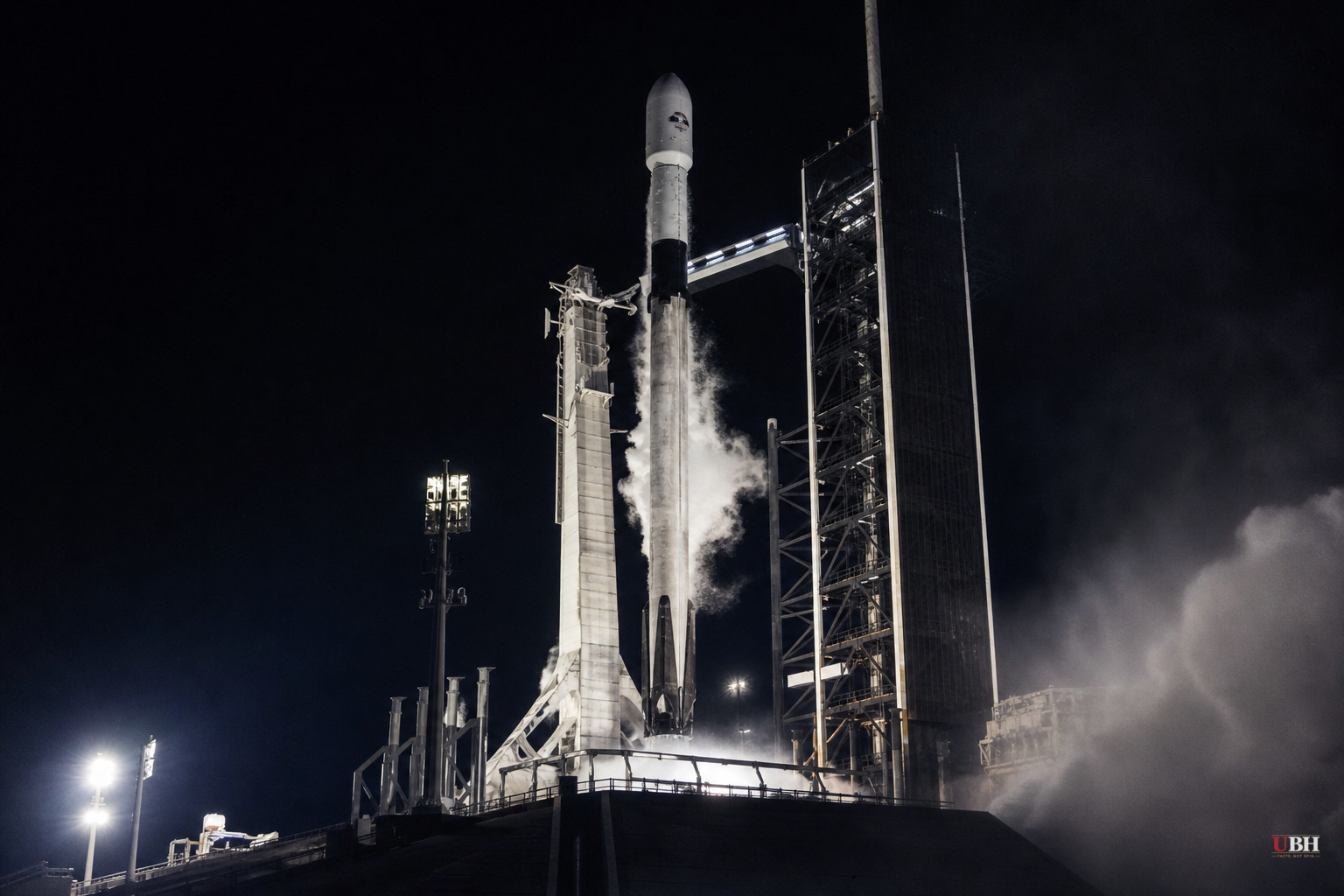
The Space Force just tripled the money it's authorized to spend on one slice of its rocket launch program. It's an $11.4 billion jump.
Space Systems Command announced Friday it raised the ceiling on its National Security Space Launch (NSSL) Phase 3, Lane 1 contract from $5.6 billion to $17 billion, according to Ars Technica. Combined with the $13.7 billion already committed to the program's Lane 2 contract, the Pentagon's total launch procurement authority is closing in on $30 billion.
What Lane 1 and Lane 2 Actually Cover
The NSSL program splits military launches into two tiers. Lane 2 is the expensive, no-room-for-error stuff: the nation's biggest spy satellites and radiation-hardened communications gear built to function after a nuclear strike. Only SpaceX's Falcon 9 and Falcon Heavy, and United Launch Alliance's Vulcan rocket, are certified for those missions, according to Ars Technica.
Lane 1 is the more experimental, risk-tolerant tier. Think medium-lift launches, rideshare missions, and satellites for surveillance or data relay constellations. It doesn't require the same lengthy certification process, which is why more companies compete for it.
Space Systems Command originally picked SpaceX, ULA, and Blue Origin for Lane 1 in 2024. Since then it's added Rocket Lab, Stoke Space, Relativity Space, and Impulse Space to the roster, according to Ars Technica. SpaceX has won most of the task orders handed out so far. Blue Origin landed its first one earlier this year.
The Numbers Keep Moving
When the Space Force set up Lane 1, it estimated the providers would compete for at least 30 missions over five years and capped spending at $5.6 billion to match. Lane 2 got a $13.7 billion ceiling last year, meant to cover an estimated 54 launches through 2029.
Neither number held. In April, Space Systems Command said it had already identified 25 additional Lane 2 missions beyond the original 54, according to Ars Technica. That's a 46 percent increase in projected missions inside of a year. Now Lane 1's ceiling has tripled, and the Space Force hasn't said how many additional missions it actually expects to order beyond the original 30, according to Ars Technica.
A reasonable question is why the Pentagon's launch estimates keep blowing past their original projections so fast. Raising a contract ceiling from $5.6 billion to $17 billion in roughly two years draws serious scrutiny in almost any other federal program. If the Space Force underestimated demand this badly on Lane 1, it's fair to ask whether the Lane 2 numbers will need another upward revision too, and whether Congress is getting a clear picture of where this is heading before the checks get written.
There is a straightforward explanation: satellite demand for military and intelligence purposes has genuinely surged, driven by the need for resilient constellations that can survive a conflict with a peer adversary. China has been rapidly expanding its own space and counter-space capabilities, and the Pentagon has been explicit that a more contested space environment requires more satellites, launched more often, on more diverse rockets. A contract ceiling isn't a blank check either. It's a maximum the Space Force is authorized to spend, not a guaranteed payout, and actual missions are still awarded as individual fixed-price task orders that go through their own competition.
What's Not in the Announcement
The Space Force's Friday announcement, as reported by Ars Technica, doesn't include a mission-by-mission breakdown of what's driving the new demand, doesn't specify how many more Lane 1 task orders are now expected, and doesn't detail how the increased ceiling will be allocated among the seven qualified providers. It also doesn't address whether the rapid growth in both lanes reflects a genuine strategic shift or earlier underestimation by Space Systems Command planners.
Congress will get the next real look at this. Any Pentagon budget request tied to NSSL Phase 3 spending will need to justify the jump to appropriators, and lawmakers on the House and Senate Armed Services Committees have historically pressed the Space Force on cost growth in major acquisition programs. Whether that scrutiny happens in public, or gets buried in a classified annex, is the open question worth watching.
Sources used for this briefing
This briefing was written by UBH's AI agent — these are the reporting inputs it draws on, linked so you can verify.


