
Unbiased headlines. Facts, not spin.
Unbiased Headlines is an independently owned news organization. We bring you the facts, not opinions, written fresh from 110+ named sources. Sources linked so you can verify it yourself.
 economy
Notable (6/10)
Sovereign Wealth Funds Put $14.2 Billion Into China and Hong Kong in 2026, Led by Gulf States
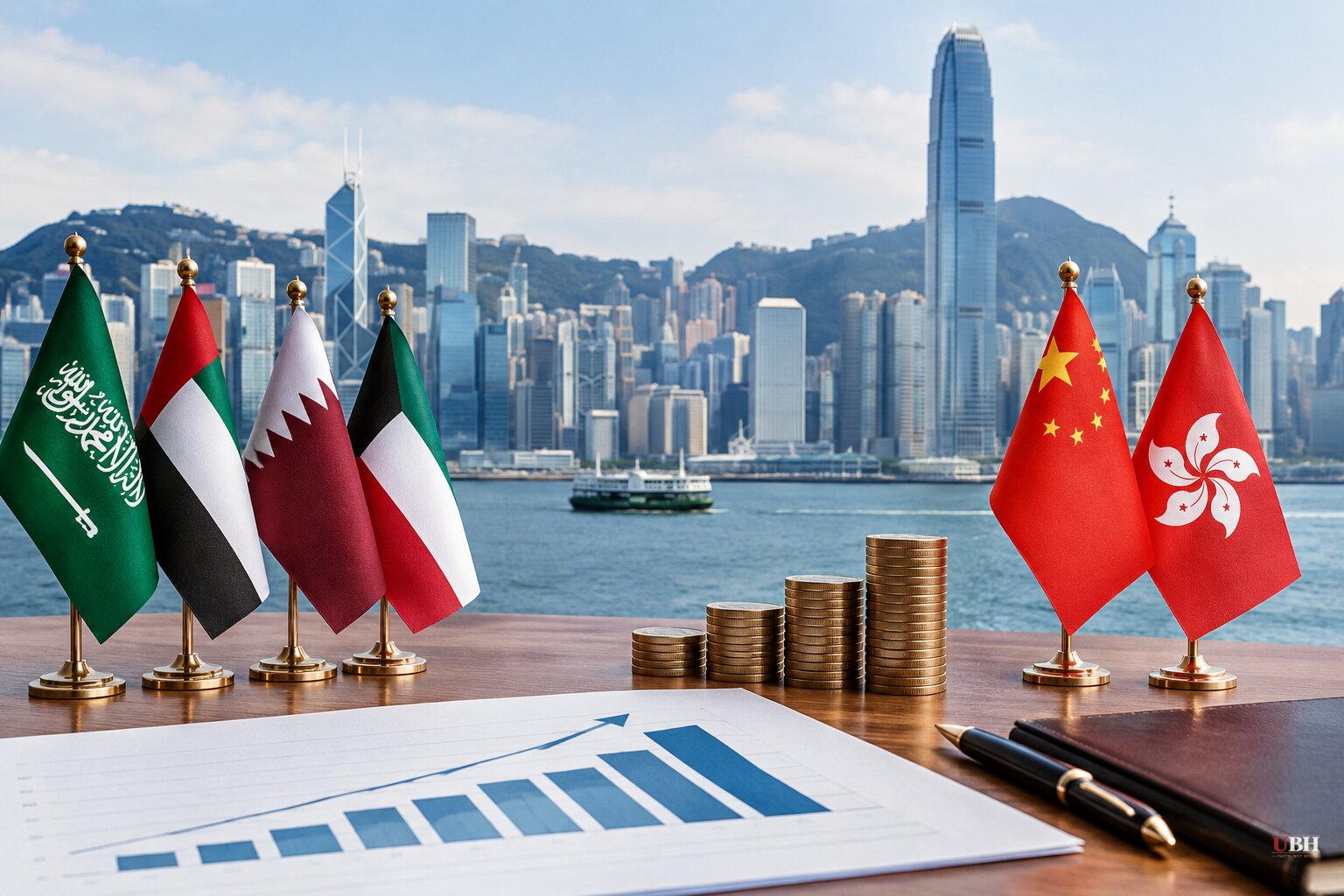
Government-owned money is going back into China. Sovereign wealth funds invested $14.2 billion in mainland China and Hong Kong in the first nine months of 2026, according to data from Singapore-based consultancy Global SWF.
That is roughly 190% more than the $4.9 billion the funds put in across all of 2025. The 2025 figure was itself a 54% drop from the year before, as geopolitical tensions and doubts about China's economy kept investors away.
The Gulf is writing the checks
Middle Eastern funds account for most of the rebound. Global SWF's numbers:
- Saudi Arabia's Public Investment Fund: $6 billion
- Abu Dhabi Investment Authority: $2.5 billion
- Abu Dhabi's Mubadala: $800 million
- Qatar Investment Authority: $600 million
Those four add up to $9.9 billion, or nearly 70% of all sovereign money that went into China and Hong Kong in the period.
Some of the deals are public. Mubadala announced a minority stake in Luckin Coffee in September, a transaction worth roughly $1 billion done alongside Centurium Capital. The Qatar Investment Authority and Norway's sovereign wealth fund took part in Alibaba's $10.2 billion share offering in August.
Singapore's Temasek is also looking. Chief investment officer Rohit Sipahimalani said recently at the Milken Summit in Singapore that China remains interesting, and described biotechnology as a field where Temasek is investing.
The investors' case
The funds and their advisers argue the timing is right. Andrew Wang, who leads the consumer private equity division at Mubadala, told CNBC: "Valuations are lower than they've been in years. I think this will be a really good vintage for investors in China."
Wang said China is Mubadala's top priority for consumer investments in Asia. He pointed to the potential for household spending to grow and to Chinese brands moving from cheap goods toward higher-value products.
Jenny Lee, senior managing partner at Granite Asia, described how sentiment has turned. "I think China has gone from 'China is not investable' to 'is China investable?' to today, the most common question I get is: 'are we missing out?'"
Lee argues China's factories and research labs give it access to real-world data that could matter as AI moves beyond frontier models into robotics and drug discovery.
Same day, a reminder of the risk
The same Thursday, Alibaba shares fell as much as 6.6% in Hong Kong, their steepest drop since Aug. 24. The Hang Seng Tech Index slid as much as 5.3%, its biggest intraday fall since July 17, and the broader Hang Seng Index dropped as much as 3.2%, with Alibaba the largest contributor to the decline.
Bloomberg reported that the selloff followed Chinese authorities summoning e-commerce operators and calling for tighter product-quality standards. No source has linked that move to the sovereign fund flows, and the two stories are separate. They do sit in the same market.
The Hong Kong session was still under way when these figures were reported, so the day's closing numbers may differ from the intraday extremes.
What the numbers show
The $14.2 billion is a large rebound in percentage terms. It is still small against the size of China's economy and markets, and it comes off a depressed 2025 base.
These are also state-owned funds. Their allocations reflect the decisions of Gulf governments, not individual investors weighing risk with their own money. Whether those governments are pricing in the kind of regulatory intervention seen Thursday is not something the funds have addressed publicly.
For American readers, the Gulf is a close U.S. security partner and a major capital allocator. Its funds are now putting billions into Chinese technology, biotech and advanced manufacturing, the sectors where Washington and Beijing compete most directly. Neither Global SWF's data nor the funds' statements address how that squares with U.S. policy toward China.
The next test is concrete. Beijing's e-commerce quality push is fresh, and Alibaba's August offering drew sovereign money from Qatar and Norway. How regulators follow through, and whether Gulf funds keep adding to China positions or slow down, will show up in Global SWF's full-year tally.
Sources used for this briefing
8 links from 5 independent newsrooms (syndicated copies of the same report count once)
These are the sources it draws on, linked so you can verify.


