
Unbiased headlines. Facts, not spin.
Unbiased Headlines is an independently owned news organization. We bring you the facts, not opinions, written fresh from 110+ named sources. Sources linked so you can verify it yourself.
 economy
Notable (6/10)
Event date: October 12, 2026 ·
Southwest Cuts 2026 Profit Forecast to $2.60-$2.85 a Share as Fuel Bill Climbs $821 Million
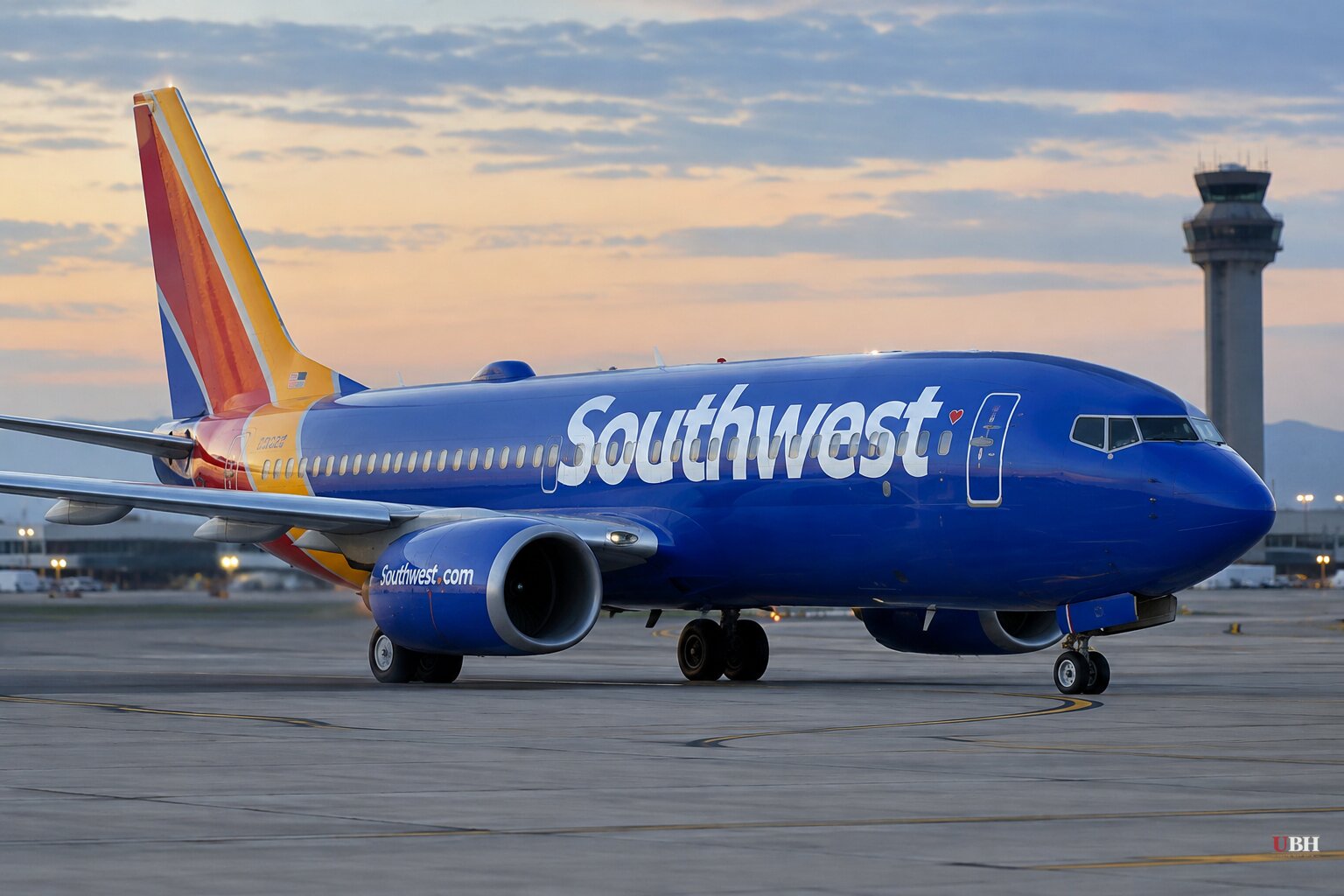
Since Delta Air Lines and United Airlines trimmed their 2026 profit outlooks earlier this month, the fuel squeeze on U.S. carriers has spread to Southwest. On Wednesday, Oct. 21, the Dallas-based airline cut its full-year adjusted earnings forecast to between $2.60 and $2.85 a share. In July it had guided to $3.25 to $4.25.
The midpoint of the new range is below the $2.85 average analyst estimate compiled by LSEG. Southwest's fourth-quarter guidance also came in under Wall Street expectations: adjusted earnings of 55 to 80 cents a share.
A strong quarter, a weaker outlook
The third quarter itself beat expectations. Southwest reported adjusted earnings of 66 cents a share against a 58-cent consensus, up from 11 cents a year earlier. Adjusted revenue was $8.42 billion, ahead of the $8.25 billion analysts expected, and a third-quarter record.
Net income was $270 million, or 55 cents a share, compared with $54 million, or 10 cents, a year earlier. Revenue rose more than 21%.
The company said unit revenue, the standard gauge of airfare, rose 21.6% to an all-time high while capacity slipped 0.4%. Adjusted operating margin widened 4.8 points to 5.4%.
Then came fuel. Southwest's fuel bill rose $821 million from a year earlier. The company said it paid an average of $3.92 a gallon in the quarter and expects jet fuel prices to rise further in the last three months of the year, to roughly $4.55 a gallon.
Higher fares, fewer passengers
The airline is making far more money per seat while carrying fewer people. The average passenger fare was $231.69 in the third quarter, up almost 27% from the same period of 2025. A Southwest spokesman said that figure does not include add-on fees.
Revenue passengers fell 3.2% to 33.47 million.
That is the result of a multi-year overhaul. Southwest has dropped its two-free-checked-bags policy and open seating, and now charges a bag fee and for many seat assignments, similar to its major competitors. CEO Bob Jordan said in a statement that "with the transformation complete, our efforts have shifted to optimizing the business."
Southwest also said 20 of its 50 best-ever managed business booking days came in the quarter.
Management's case and the industry backdrop
Jordan's argument is that the new model holds up under pressure. "Demand remained strong as we lapped last year's bag fee and other commercial initiatives, reinforcing our belief that the earnings power we've built is durable, even with significantly higher fuel costs," he said in the earnings release. He said travelers continue to book despite higher fares and that demand remained strong in the fourth quarter.
The forecast itself shows how much of that revenue is being absorbed. Southwest guided fourth-quarter unit revenue up as much as 21% from a year earlier, yet it still expects earnings below what analysts had penciled in.
The fuel shock stems from the Iran war, and Southwest is not alone. Delta and United also cut their outlooks when they reported third-quarter results, and both missed on revenue and earnings. Southwest, by contrast, beat on both.
Delta has warned that airlines may need to restrain flight growth further next year to sustain higher fares. United expects elevated fuel costs throughout 2027.
Southwest is going the other way on capacity for now. After trimming flying slightly in the third quarter, it plans to grow capacity by 3% to 4% in the fourth.
The market's first read
Southwest shares rose 1.1% to $40.30 in after-hours trading Wednesday, according to Benzinga data. Over the past 52 weeks the stock has traded between $29.26 and $55.11. U.S. regular-session trading has not opened yet today, so that after-hours move is only an early indication.
What comes next
Southwest is scheduled to discuss its results with analysts and investors this morning, Thursday, Oct. 22. The open question for that call is how much of the record fare increase can keep covering fuel if prices rise as the company projects.
The airline will lay out longer-term financial targets at an investor event in March 2027. By then, Delta's capacity warning and United's 2027 fuel outlook will have had more time to show up in the numbers.
Sources used for this briefing
7 links from 7 independent newsrooms (syndicated copies of the same report count once)
These are the sources it draws on, linked so you can verify.


