
Unbiased headlines. Facts, not spin.
Unbiased Headlines is an independently owned news organization. We bring you the facts, not opinions, written fresh from 110+ named sources. Sources linked so you can verify it yourself.
 economy
Low Interest (4/10)
Centre Plans to Require Automatic Emergency Braking on All New Car Models From October 2030, Times of India Reports
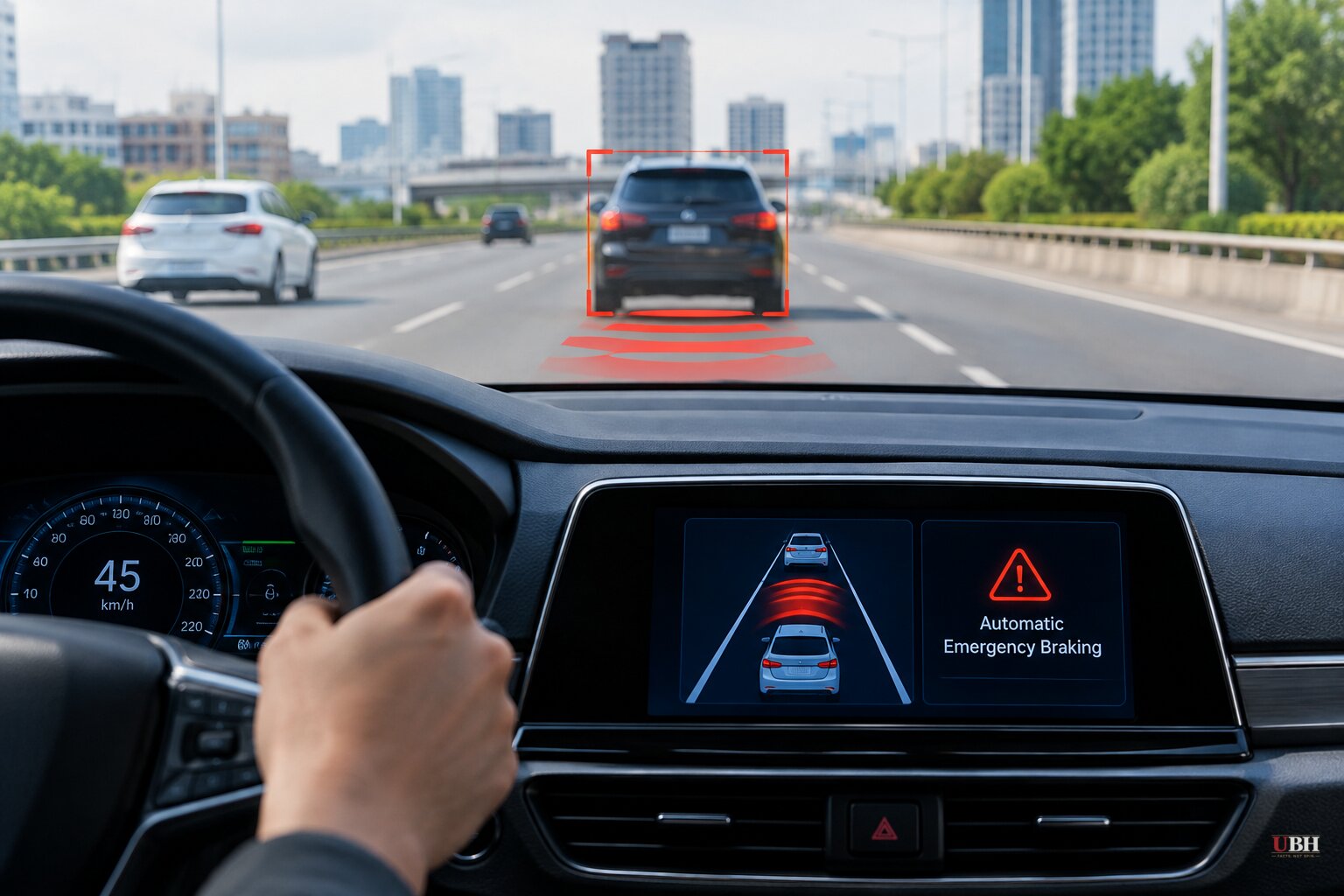
The Centre is preparing to require cars to brake on their own.
From October 2030, all new car models would be required to be equipped with an advanced emergency braking system, or AEBS, the Times of India reported on Oct. 22, citing people aware of the development. For pre-2030 models still in production, AEBS would become mandatory from October 2032.
What the plan covers
AEBS is the most important feature in a larger package known as Advanced Driver Assistance Systems, or ADAS. The Times of India describes ADAS as a set of more than 100 electronic technologies that increases safety by detecting potential hazards, warning the driver and, in some cases, automatically controlling brakes or steering to prevent a collision.
At present, some cars have ADAS. The plan would make certain ADAS safety features mandatory for cars, particularly taxis, as the government steps up efforts to reduce road crashes.
Taxis are the focus
The people aware of the development told the Times of India that the focus would be more on taxis. According to the report, features including automatic command steering functionalities, an emergency lane keeping system, and drowsiness and attention warning systems would be made mandatory for taxis.
Trucks and buses move sooner
Commercial vehicles are on a faster track. Starting in January 2027, new truck and bus models will have AEBS, according to the report. The feature detects an imminent collision with a vehicle or obstacle and automatically applies the brakes if the driver fails to respond adequately, preventing a crash or reducing its severity.
The report adds that blind spot information, moving off information, driver drowsiness detection and alert, and lane departure warning systems have also been made mandatory for these commercial vehicles.
The timeline
The draft notification, with timelines for different ADAS safety features for cars, would be out soon, the people aware of the development said. They said the proposed timelines take into account the lead time that industry and users would need.
The schedule is staggered: trucks and buses from January 2027, new car models from October 2030, and pre-2030 models still in production from October 2032. Until the draft is published, the details of the 2030 and 2032 dates and the taxi requirements rest on the Times of India's reporting.
Expert view
Automobile and mobility expert Rama Pandey told the Times of India that the introduction of these norms could initially focus on ensuring compliance with Automotive Industry Standards for vehicles already equipped with AEBS or more advanced systems that can intervene in steering and lane-keeping. "These technologies could prove a boon for commercial drivers who spend hours behind the wheel. By shifting more safety-critical & fatigue-inducing driving decisions to automated systems, ADAS could make driving safer and less strenuous," he added.
What happens next
The next step is the draft notification itself. Once it is published, the exact feature list, the vehicle categories covered and the compliance standards will be public.
Sources used for this briefing
1 link from 1 independent newsroom (syndicated copies of the same report count once)
These are the sources it draws on, linked so you can verify.


