
Unbiased headlines. Facts, not spin.
Unbiased Headlines is an independently owned news organization. We bring you the facts, not opinions, written fresh from 110+ named sources. Sources linked so you can verify it yourself.
 economy
Notable (6/10)
DOJ drops two appeals of rulings that blocked Trump's PSLF employer restrictions
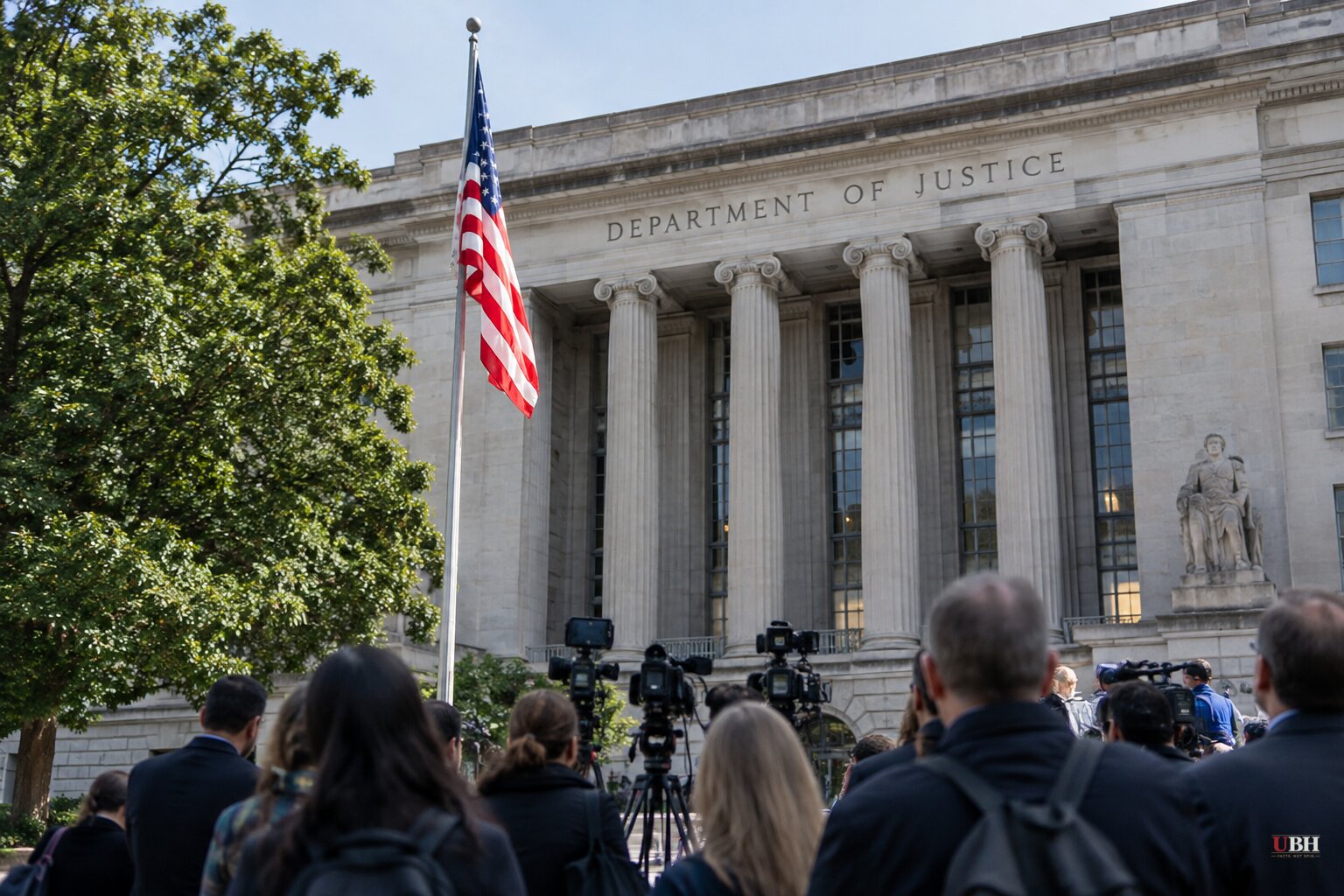
The Trump administration is giving up its court fight over who qualifies as a "public service" employer under Public Service Loan Forgiveness.
On Wednesday, Oct. 21, the Justice Department dropped two appeals of June rulings that vacated the Education Department's rewrite of the PSLF rules. The dismissals came in single-sentence joint agreements. Each side will pay its own fees.
Federal officials gave no explanation. The Education Department did not immediately respond to a request for comment from Business Insider.
What the rule would have done
The Education Department wrote the rule last fall. It would have let Education Secretary Linda McMahon disqualify employers whose activities she determined had a "substantial illegal purpose." The change was set to take effect July 1.
The department pointed to activities such as assisting undocumented immigrants, providing gender transition care for minors, and engaging in diversity, equity and inclusion programs. The rule applied to employers, not individual borrowers. But a borrower's years of qualifying payments depend on where they work.
PSLF forgives federal student debt for government and nonprofit workers after 10 years and 120 monthly payments. The program has canceled loans for more than 1 million Americans.
The June rulings
U.S. District Judge Myong Joun in Massachusetts vacated the changes just before they were due to take effect. He found the department overstepped its authority and threatened to violate First Amendment free-speech protections. His ruling came in two lawsuits brought by more than 20 states and a coalition of nonprofits and cities.
The same day, U.S. District Judge Amir Ali in Washington issued a similar ruling in a separate case brought by nonprofit organizations.
The administration appealed at the end of August. With the dismissals, the old rules remain in force and borrowers face no immediate change to PSLF.
The administration's stated purpose
The administration never conceded the rule was improper. Undersecretary of Education Nicholas Kent said earlier that it was meant to "ensure federal benefits go to our Nation's teachers, first responders, and civil servants who tirelessly serve their communities."
That is a fair question of program design. PSLF is paid for by taxpayers, and Congress wrote the statute that defines qualifying employers.
The courts looked at who gets to draw the line. Judge Joun found the department lacked the authority to do it this way. Plaintiffs argued the rule's vague standard gave one cabinet official discretion to cut off employers over their politics.
Dan Zibel, chief counsel at Student Defense, which represented plaintiffs in one of the cases, called the rule an attempt "to weaponize public service loan forgiveness against organizations it disagrees with." He said it "was anti-democratic and unlawful from the start." Zibel called the dismissals "a significant victory for millions of Americans who have dedicated their careers to public service."
That is the plaintiffs' characterization. The administration has not responded to it.
Other PSLF problems remain
Dropping the appeals does not settle every PSLF dispute. Another appeal in a separate PSLF lawsuit is still pending.
Borrowers also face administrative problems. The Education Department recently removed some borrowers' payments toward forgiveness, citing Biden-era coding errors. Others have reported delays getting payments counted, leaving them in limbo.
A department spokesperson previously said the agency "remains committed to ensuring that every qualifying payment is properly credited to a borrower's account."
What comes next
The administration has not said whether it will try to restrict PSLF eligibility another way, through new rulemaking or through Congress. It has also not said why it ended these two appeals. The separate appeal still pending will show whether it intends to keep fighting over the program anywhere else.
Sources used for this briefing
7 links from 5 independent newsrooms (syndicated copies of the same report count once)
These are the sources it draws on, linked so you can verify.


