
Unbiased headlines. Facts, not spin.
Unbiased Headlines is an independently owned news organization. We bring you the facts, not opinions, written fresh from 110+ named sources. Sources linked so you can verify it yourself.
 economy
Major Story (8/10)
Event date: October 14, 2026 ·
Eight Months Into Iran War, China's Petrochemical Glut Is Shrinking and the IEA Expects Diesel Shortage Into 2027
The war that began February 28 is now showing up well beyond the gas pump.
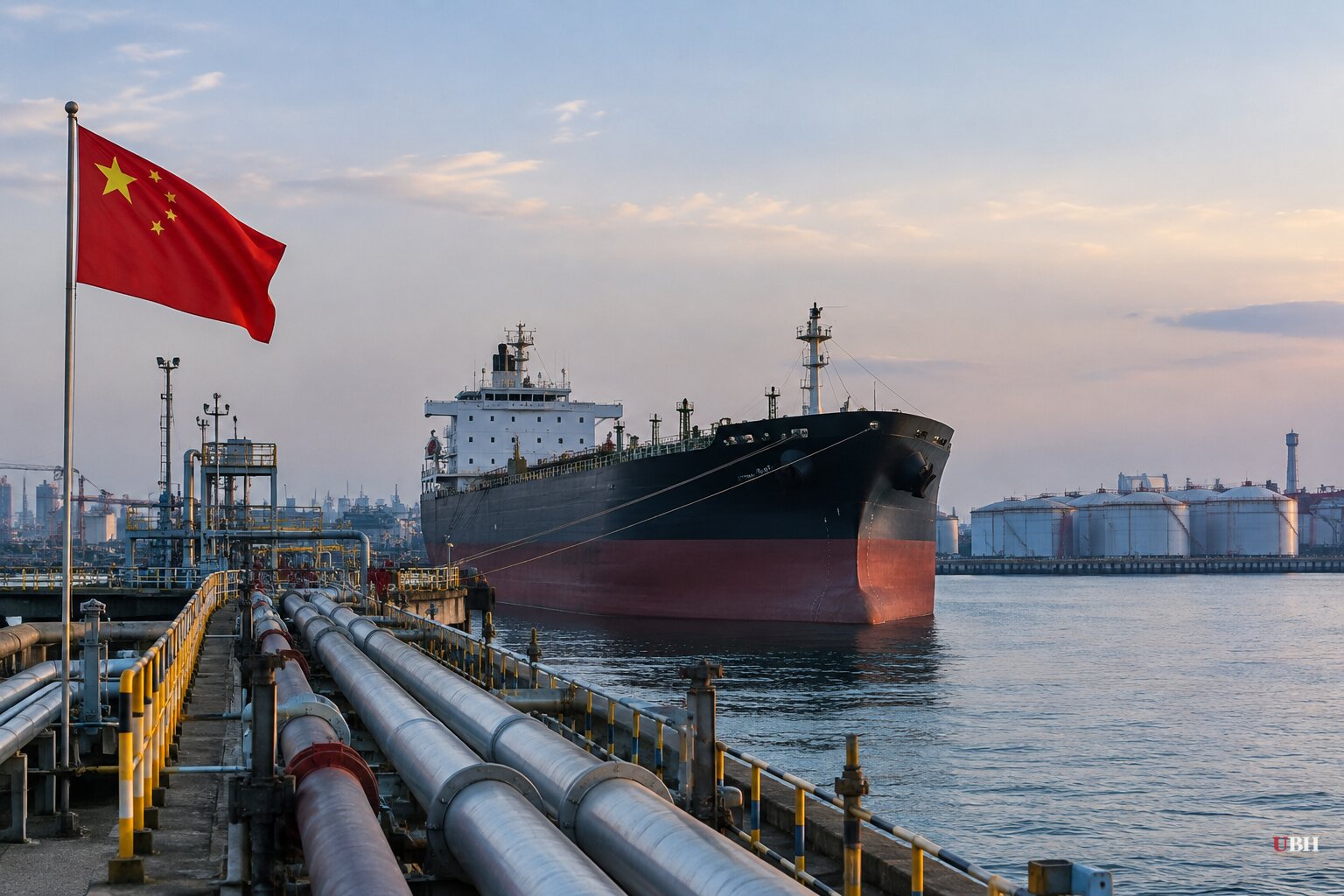
China has burned through much of the petrochemical surplus it built over years of overproduction, according to JPMorgan Chase and the commodities data provider ICIS. The squeeze is sharpest in the aromatics chain and the products made from it: rubber for car tires and electrical insulation, resins, plastic bottles, paints and coatings.
That sets up higher prices for a long list of industrial inputs.
Diesel is the tightest market
The International Energy Agency has warned that the global diesel shortage will stretch into 2027, even with planned sanctions relief and emergency stockpile releases. "Record diesel prices are already having broad economic consequences by raising the cost of goods and impacting real incomes, economic activity, and inflation," the agency said.
Supply into the global market has fallen by about 1 million barrels a day from its 2025 level. The causes are war damage to refineries in the Gulf and Russia, plus export restrictions from China. Russia was the world's second-largest diesel exporter behind the U.S.
Diesel accounts for about 10% of global energy consumption. It runs farm equipment, mining, manufacturing, shipping and trucking, which is why the cost shows up in food and freight.
On crude, Macro Notes, an investment newsletter, puts Brent's peak above $126 a barrel at the end of April. It says the price fell back and has traded above $100 again since early September.
Washington's response
President Trump announced a deal to import Russian diesel into the U.S. through a temporary sanctions reprieve, aimed at lowering pump prices. The IEA's warning came days later.
Critics called the move "too little, too late" against prices driven by the shutdown of war-damaged refineries. The White House's stated goal was lower prices at the pump. Whether a temporary waiver can move a market short about 1 million barrels a day is the open question.
The policy also carries a trade-off. It eases sanctions on Russian energy while the war is still disrupting supply, and the temporary reprieve does not expand the underlying refining capacity that is offline.
Refiners with spare capacity are collecting
Not everyone in the chain is losing. TotalEnergies' refining and chemicals income more than quadrupled to $1.8 billion between April and June, helping produce its strongest quarterly profit in three years.
CEO Patrick Pouyanné has been open about it. "I prefer the world of disruption to the peaceful world," he said last week, adding that the crisis offers "plenty of opportunities if you're able to capture them."
His explanation was integration. "Integration means your refineries in Europe, which you thought were liabilities, are suddenly becoming goldmines," Pouyanné said.
Farmers in the U.S. corn belt and bus operators in England are on the other side of that ledger, absorbing the higher fuel costs.
How China got here
China's glut was a policy outcome. Beijing built chemical capacity to secure supply, not to maximize returns, according to the analysis from China Briefing. China accounted for 46% of global chemical sales in 2025, per the European Chemical Industry Council (Cefic), against Europe's 13%. Profits across China's petroleum and chemical sector still fell 9.6% that year, after an 8.8% drop the year before, as new capacity met weak domestic demand.
The build-out was not complete. China led global ethylene additions for five years and still imported 6 million tonnes of ethylene in 2025. ADI Analytics estimates China will add another 7 to 8 million tonnes a year of ethylene capacity and about 6 million tonnes of polyethylene in 2026.
The war exposed a dependency. Asian steam crackers source more than 60% of their naphtha from the Middle East. When Hormuz shipping was disrupted early this year, the region cut runs. A Shell-CNOOC joint venture in Huizhou shut an ethylene cracker in March.
Higher product prices then lifted first-half results at China's integrated majors. Sinopec's attributable profit rose 11.9%. Sinopec Shanghai Petrochemical returned to profit while cutting crude throughput by 10% and raising ethylene output by nearly 20%.
Beijing is also tightening the rules. Since May 1, China's first Hazardous Chemicals Safety Law has required new and expanded hazardous chemical production to be located in designated chemical parks, with limited exceptions. The government is retiring aging plants at the commodity end of the industry.
What is still unsettled
The two clocks do not match. The IEA expects diesel to stay tight into 2027. Meanwhile, ADI's numbers show more than 4 million tonnes a year of net new ethylene and derivative capacity still coming in China even after closures, locked in by investment decisions made years ago.
Whether that new supply cushions the aromatics squeeze, or whether crude and naphtha access keeps the plants from running, depends on how long the war keeps oil flows restricted.
Sources used for this briefing
4 links from 4 independent newsrooms (syndicated copies of the same report count once)
These are the sources it draws on, linked so you can verify.


