
Unbiased headlines. Facts, not spin.
Unbiased Headlines is an independently owned news organization. We bring you the facts, not opinions, written fresh from 110+ named sources. Sources linked so you can verify it yourself.
 economy
Major Story (7/10)
Ottawa and Ontario Commit $8.7 Billion to Steel, Autos and Ring of Fire Road as U.S. Tariffs Bite
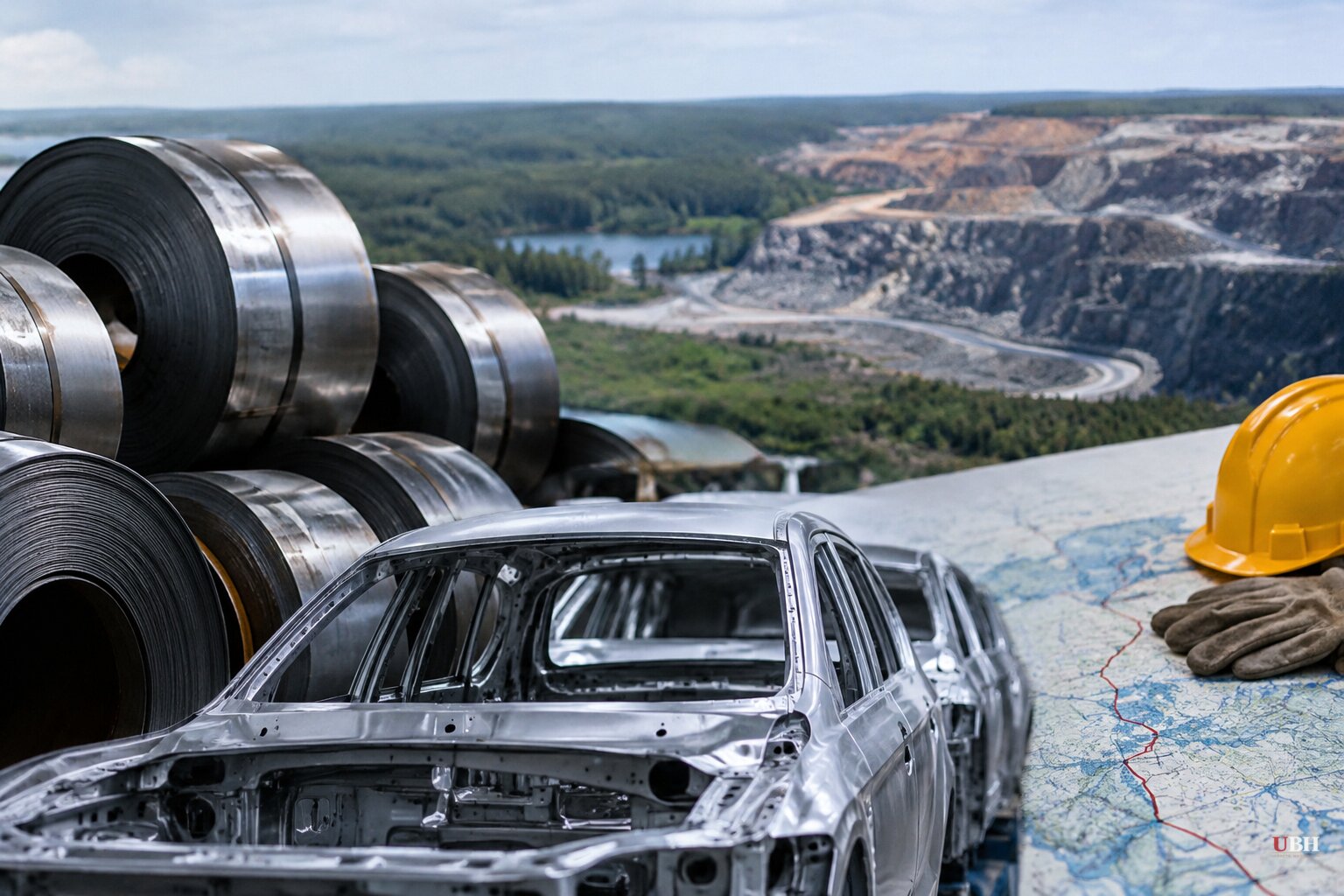
The federal and Ontario governments announced an $8.7 billion action plan today, Oct. 21, aimed at steel and auto workers hit by U.S. tariffs. Carney and Ford unveiled it at a joint news conference in Ottawa.
The trade backdrop is not in dispute. President Donald Trump has kept 50 percent tariffs on Canadian steel, the trade war has run more than a year and a half, and talks on tariff relief collapsed in August.
Where the money goes
The backgrounder from Innovation, Science and Economic Development Canada breaks the package into three buckets.
Steel: A new Joint Steel Action Fund gets five-year funding commitments of $3.55 billion from Ottawa and $1.67 billion from Ontario. Coverage of the announcement describes the fund as worth more than $5 billion.
Autos: An additional $2.5 billion over two years goes to large-scale automotive capital projects. Ottawa will contribute up to $1.5 billion and Ontario up to $1 billion.
Ring of Fire: The federal government will advance road infrastructure for critical mineral development in Northern Ontario's Ring of Fire region, backed by a federal commitment of up to $1 billion over three years. iPolitics reports that this matches Ontario's existing $1 billion commitment to road infrastructure in the region.
Ontario's share comes to $2.67 billion, according to Ford. The rest is federal money, which means the cost lands on Canadian taxpayers at both levels of government.
The headline number has moved during the day. Early reports described roughly $9 billion, and one version wrongly suggested the money came solely from Ottawa. The governments' own figure is $8.7 billion, split between the two.
What the steel money is supposed to do
Carney said the fund will help mills upgrade equipment, expand output and make products for domestic and non-U.S. markets. He said steelmakers must become less dependent on auto demand and look to infrastructure, defence, transportation and energy projects.
Canada imports more than 6.5 million tonnes of steel a year, partly because domestic mills do not make every specialized product Canadian industry needs.
The plan also leans on procurement. Buy Canadian and Buy Ontario policies will prioritize domestic steel in public projects, including federal infrastructure and defence work. The Canada Border Services Agency will step up monitoring and enforcement against unfairly traded imports, and a joint task force will advise on implementation, including ways to cut transportation costs.
The federal government estimates the steel investment will help protect more than 100,000 jobs, including in Hamilton and Sault Ste. Marie. Carney said the overall package would help create 70,000 jobs tied to the Ring of Fire and protect about 220,000 in the other industries. Those are projections from the government announcing the spending.
Open fights the money does not settle
The announcement follows layoffs at Stelco. Its U.S.-based owner, Cleveland-Cliffs, plans to cut nearly 500 positions. Canadian officials say the company made employment commitments to win approval of its 2024 takeover of Stelco. A CTV News video headline quotes Joly saying Canada will "apply the full force of the law" if the Stelco owner cannot protect Canadian jobs.
Cliffs CEO Lourenco Goncalves says the company has not broken the law. He describes the headcount reduction as temporary while the company refocuses operations under tariff pressure.
In autos, Stellantis and its roughly 9,000 unionized Canadian employees are at an impasse. The company wants to sell a Toronto-area plant, idle since 2024, to a local defense firm. The union and Canadian officials fear heavy job losses unless Stellantis restarts production there.
The argument over where auto policy is heading
Not everyone thinks the government's auto strategy is pointed the right way. In an Epoch Times commentary published Oct. 7, Bryan Brulotte attacked Carney's decision to let Chinese electric vehicles back into the Canadian market. He wrote that the policy admits 49,000 Chinese EVs a year at the normal 6.1 percent tariff in place of the 100 percent surtax imposed in 2024, with the quota growing 6.5 percent annually.
Brulotte argues that the policy turns Canada from a manufacturer into a "showroom." He puts Canadian auto at roughly 125,000 direct manufacturing jobs and says the promised Chinese investment is speculative. He also points to Ottawa's own 2024 warning that connected vehicles with Chinese technology carry privacy, data and national security risks.
The Oct. 21 package does not address that quota. Its auto money is aimed at protecting existing manufacturing operations while helping automakers move toward electric and connected vehicles.
The politics behind it
Carney framed the plan as a response to forces Canada cannot control. "We can't control what others do, so we are focusing on what we can control," he said. "Protecting what we have is not enough. We must go further."
Ford went further. "No matter what happens in the midterms, no matter who sits in the White House, we're not going back to the way things were," he said.
The unresolved items are concrete. Canadian officials' vow to use all legal means against Cleveland-Cliffs over Stelco jobs remains pending, and the Stellantis talks over the idled Toronto-area plant are deadlocked.
Sources used for this briefing
6 links from 6 independent newsrooms (syndicated copies of the same report count once)
These are the sources it draws on, linked so you can verify.


