
Unbiased headlines. Facts, not spin.
Unbiased Headlines is an independently owned news organization. We bring you the facts, not opinions, written fresh from 110+ named sources. Sources linked so you can verify it yourself.
 economy
Major Story (7/10)
Event date: October 19, 2026 ·
Albertans Reject Separation Path by About 75% to 25% in Unofficial Results
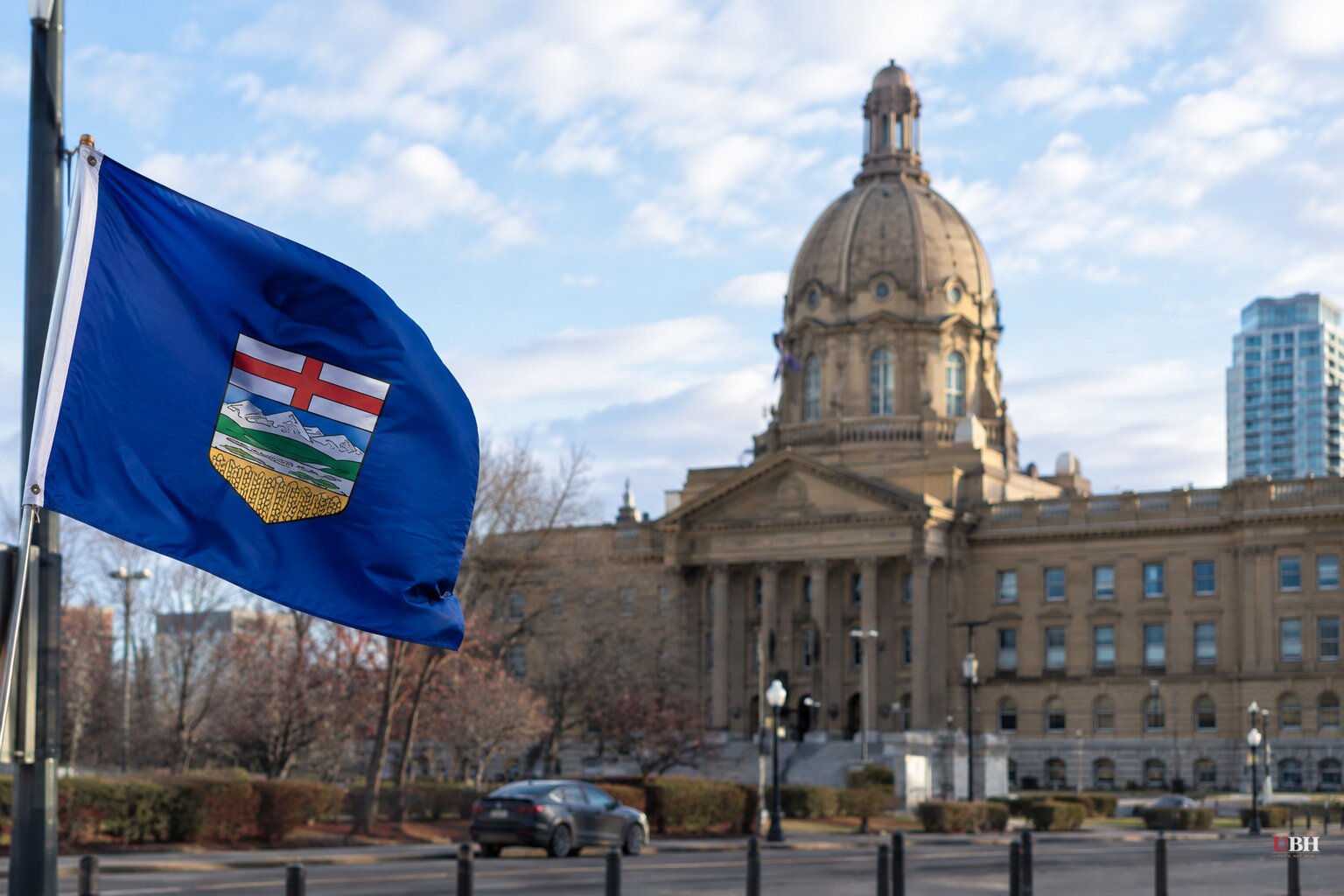
Alberta voted Monday, Oct. 19, to remain in Canada rather than begin the legal process toward a binding referendum on separation. Unofficial results put the split at roughly 75% to 25%.
As of about 5 p.m. local time on Oct. 20, 5,039 of 5,587 voting locations had reported. About 75% backed staying in Canada and about 25% backed holding a binding vote on independence, according to preliminary figures from Elections Alberta. Earlier unofficial returns, with about 86% of locations in, showed the same three-to-one margin.
What was actually on the ballot
The separation question was not a direct vote to leave. It asked whether Alberta should remain a province or instruct its government to start the legal steps needed for a future, binding referendum on independence.
About 3 million Albertans were eligible to vote. It was the first plebiscite of its kind in Canada since the 1995 Quebec referendum, which failed by a razor-thin margin.
Premier Danielle Smith said late Monday that Albertans "have voted for a stronger Alberta in a united Canada." Prime Minister Mark Carney said in a statement on X early Tuesday that Albertans and all Canadians "will move forward together with renewed purpose and high ambition."
The other nine questions
The ballot also carried nine questions that had nothing to do with leaving. Preliminary results as of 5 p.m. Oct. 20 show Albertans generally favoring more provincial control, and splitting on constitutional change.
- Requiring proof of Canadian citizenship to vote in Alberta elections: 64% yes.
- Requiring temporary residents to live in Alberta 12 months before accessing provincial social assistance: 58% yes.
- Charging temporary residents a fee for publicly funded education and health care: 57% yes.
- Restricting provincially funded services to Canadians, permanent residents or people with "Alberta-approved immigration status": 55% yes.
- Giving Alberta more control over immigration levels: 54% yes.
- Abolishing the Senate: 54% yes.
- Letting provinces appoint judges to provincial King's Bench and Appeal courts: 51% yes.
- Letting provinces opt out of federal health, education and social programs while keeping the federal money: 49% yes, 51% no.
A ninth question on giving provincial laws priority over federal laws in conflicts was on the ballot. Its result was not available in the figures reviewed.
Campaign and U.S. angle
Carney campaigned in Alberta in the days before the vote. At a pro-Canada rally he said, "This referendum comes at the worst possible time," and warned that "some outside our borders are working to break us so they can own us." He did not name the United States or President Donald Trump in that passage, but the remark came amid Trump's trade war with Canada and his repeated talk of Canada as a 51st state.
Carney also told voters not to treat the ballot as a way to send Ottawa a message. "This is not poker," he said. "A vote against Canada is a dangerous bluff that will lead to years of deep division and great uncertainty."
The Globe and Mail reported before the vote that Republican operatives had assisted top separatist leaders with their bid. CNN reported that some separatist leaders had met members of the Trump administration. Neither claim has been tested in public beyond that reporting.
Thomas Lukaszuk, the former Alberta politician who founded the pro-unity Forever Canadian movement, told a crowd as results came in that the outcome sends Trump a message: "Canada is not up for grabs."
The separatist response
The movement is not conceding that it lost anything of substance. Jeffrey Rath, a leading separatist activist, told CNN he was proud to have convinced roughly a quarter of voters. "We started basically from nothing, a year and a half ago, and we've dominated the conversation," he said. "For a fledgling political movement, it was a major victory and a hell of an accomplishment."
The Alberta Prosperity Project, which ran the petition drive that helped force the vote, said on X that it awaits "the release of the official count and a careful analysis of the process before drawing conclusions." Its statement added: "This isn't over, Alberta."
Cory Morgan, a veteran separatist organizer who leads Pathway to Independence, had said before the vote that a strong showing would signal "about one in three Albertans have had it." He told Fox News Digital that if things do not change, the faction will keep growing. The preliminary tally came in below that one-in-three mark.
Morgan also said a "vocal minority" in the movement wants Alberta to become the 51st U.S. state, but most independence supporters do not. He said Albertans are "not too thrilled with President Trump right now."
What polls showed
Pre-vote polling was close to the result. An Abacus Data survey of 1,021 respondents found 74% of decided voters favored staying in Canada. The same firm found 61% of respondents expected Albertans to vote on separation again, even if most chose to stay.
The Angus Reid Institute surveyed 1,010 Albertans and found 62% believed "there will never be an end to the separatist movement" in the province.
The next concrete step is the official count from Elections Alberta, which the Alberta Prosperity Project says it will examine before deciding its response. Because the vote was non-binding, the provincial government has not said what, if anything, it will do with the results of the other nine questions.
Sources used for this briefing
6 links from 6 independent newsrooms (syndicated copies of the same report count once)
These are the sources it draws on, linked so you can verify.


