
Unbiased headlines. Facts, not spin.
Unbiased Headlines is an independently owned news organization. We bring you the facts, not opinions, written fresh from 110+ named sources. Sources linked so you can verify it yourself.
 finance
Notable (6/10)
Southeast Asia Is Now the Fourth-Largest Buyer of US Farm Goods, USDA Report Says
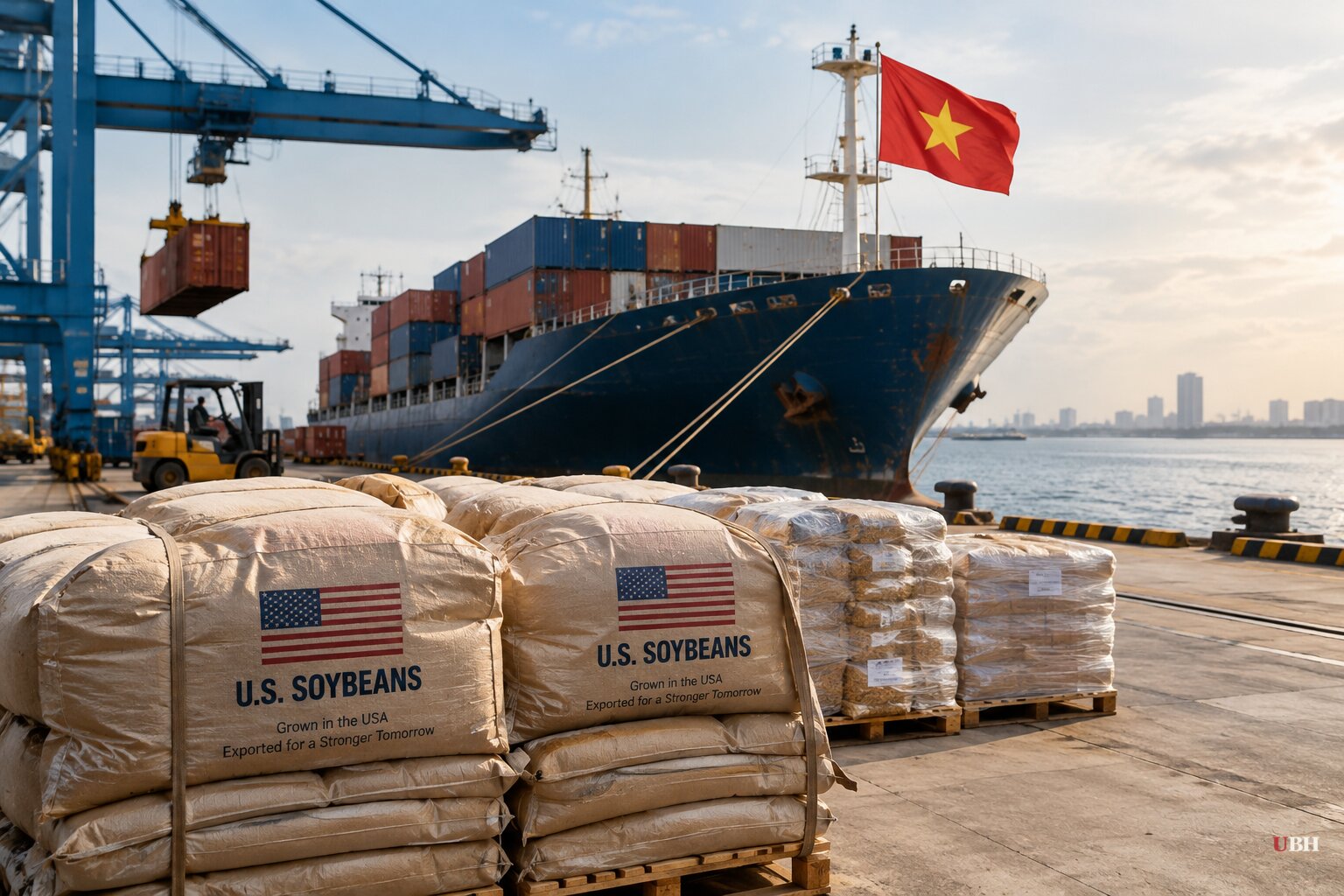
Southeast Asia is now the fourth-largest buyer of American farm goods, according to a new USDA report. The numbers show U.S. growers building demand in the region as China's purchases shrink.
Vietnam led the way. The country took in about $4.7 billion in U.S. agricultural commodities last year, up 38% from 2024. It was the biggest gainer among the 11 nations in the region.
What Southeast Asia is buying
Cotton was one of the standouts. U.S. cotton sales to the region nearly doubled last year and were still trending higher through the first eight months of 2026, the USDA report says. Vietnam drove that growth and offset reduced purchases from China.
Corn exports to the region hit record highs in 2025. Tree nut exports jumped more than 40% from a year earlier.
Ethanol is another bright spot. The Philippines imported a record $192 million worth of U.S. ethanol in 2025, according to the USDA. The agency says that was driven by rising consumption and limited domestic production, and it made Manila the sixth-largest market for American ethanol.
The China gap
The region's rise comes as a much larger customer pulled back. China dropped out of the top five destinations for U.S. agricultural exports in 2025 and landed in sixth place. A June USDA report put its shipments at $8.4 billion, a 66% decline from 2024.
Beijing has used purchases of American farm products, soybeans in particular, as leverage when trade relations soured. U.S. farmers have absorbed the fallout each time.
China has pledged to step up purchases after the leaders of the two largest economies met in South Korea last October. The USDA report does not say that pledge has made up the lost ground.
What the USDA says
Michelle Bekkering, acting undersecretary for trade and foreign agricultural affairs at the USDA, called the gains "really huge market increases for us in this region." She said expanding market access is "an important tool in strengthening the stability for our American agricultural producers."
"The U.S. is a top agricultural exporter, and our producers need stable, reliable markets with international partners who operate in good faith," Bekkering said.
She framed the push as basic risk management. "We're not going to put all of our eggs into one basket," she said. "A smart business plan is all about diversification."
Bekkering also argued that speed matters. "If we don't get in there soon and start building those relationships, we lose ground on demand," she said.
Asia's other American purchase
Farm goods are not the only U.S. asset Asian governments buy. Bloomberg reported that U.S.-friendly nations cut Treasury purchases by 60%, led by Asia. By Bloomberg's count, Japan, the largest foreign holder of Treasuries, bought just $389 million in the first eight months, down 99% from a year earlier.
That is a separate trend from the export data, and no source ties the two together. It does show that Asian demand for American products is not rising across the board.
The concentration question
Vietnam supplied most of the regional growth. That makes the gains strong but narrow, with a single buyer carrying much of the weight.
The USDA report also tallies calendar-year 2025 results, which means this year's full numbers are not yet in. The cotton trend through eight months of 2026 points up. The report's data do not settle whether Southeast Asian buying can fully replace what China cut.
It is unclear whether Beijing makes good on the purchase commitments it made last October. If it does, American growers would have both a rebuilt Chinese market and a new Southeast Asian one. If it does not, the region becomes a much bigger part of the farm export picture than it was two years ago.
Sources used for this briefing
2 links from 2 independent newsrooms (syndicated copies of the same report count once)
These are the sources it draws on, linked so you can verify.


