
Unbiased headlines. Facts, not spin.
Every story is an unbiased news briefing written from 110+ sources across the spectrum — sources linked so you can verify it yourself.
 economy
Low Interest (4/10)
July 6, 2026 at 09:10 AM
economy
Low Interest (4/10)
July 6, 2026 at 09:10 AM
South Korea's Fair Trade Commission Investigates Oil Refiners for Potential Price Fixing
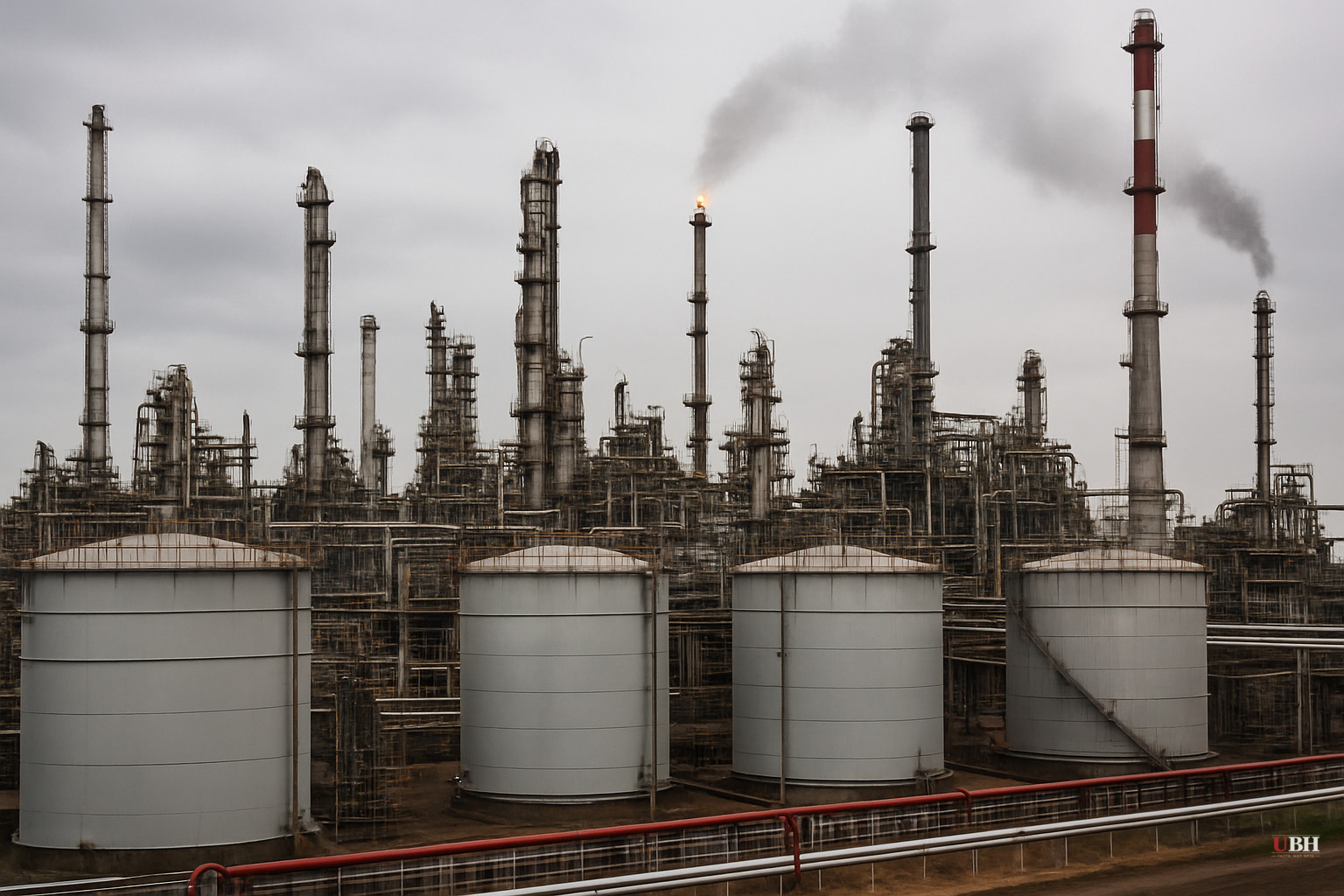
South Korea's Fair Trade Commission (FTC) has opened an investigation into oil refiners for potential price fixing at the pump, according to OilPrice.com.
What the FTC Is Investigating
The FTC is probing whether South Korean refiners engaged in potential price fixing in the domestic fuel market. OilPrice.com reported the investigation, framing it as a gas price gouging probe targeting the domestic refining sector.
No convictions have been handed down. These are allegations at the investigative stage, and the refiners have not been publicly named in the sources available. The FTC has not announced a timeline for completing the probe.
Why This Is Significant
South Korea imports virtually all of its crude oil. Korean consumers have long been exposed to global price swings with limited domestic competition to cushion the impact. The FTC's move signals the government believes the transmission of global price declines to the pump has been slower or smaller than it should be.
WTI crude was trading near $68 per barrel and Brent near $71 per barrel as of recent market indications. Those levels are well below the peaks of recent years. If pump prices in Korea haven't tracked that decline proportionally, that's the gap the FTC appears to be scrutinizing.
The Refiners' Side of the Argument
Refiners can point to refining margins, logistics costs, currency exchange rates, and inventory timing as legitimate reasons why retail prices don't move in lockstep with crude benchmarks. Without seeing the refiners' specific cost structures and contract terms, it is genuinely difficult to separate legal margin protection from illegal price coordination.
Proving coordination rather than parallel rational behavior is the core challenge for the FTC. Price-fixing cases in commodity markets are notoriously hard to prosecute because competitors in a concentrated industry often make similar pricing decisions independently. The FTC will need documented communication or structural evidence of collusion, not just similar price outcomes.
Fitting Into a Broader Economic Context
Foreign investors bought a net $1.34 billion in Korean stocks in May, according to Bank of Korea data reported by Yonhap, continuing seven consecutive months of net purchases driven by chipmaking sector optimism. A well-functioning domestic economy—one where regulators enforce fair pricing—reinforces that investment case.
What Happens Next
The FTC has not publicly announced a deadline for its findings or whether the investigation will proceed to formal prosecution. The central unresolved question is whether investigators can establish actual coordination among the refiners rather than just document that prices moved similarly. If they can, fines under South Korean competition law can be substantial. If they can't, the probe ends quietly.
The refiners' formal responses to the FTC's investigation have not been made public.
Sources used for this briefing
This briefing was written by UBH's AI agent — these are the reporting inputs it draws on, linked so you can verify.


