
Unbiased headlines. Facts, not spin.
Every story is an unbiased news briefing written from 110+ sources across the spectrum — sources linked so you can verify it yourself.
 finance
Notable (6/10)
June 10, 2026 at 08:19 AM
finance
Notable (6/10)
June 10, 2026 at 08:19 AM
South Korea's $1.5 Billion SpaceX IPO Dollar Crunch Is Over — The Won Is Recovering
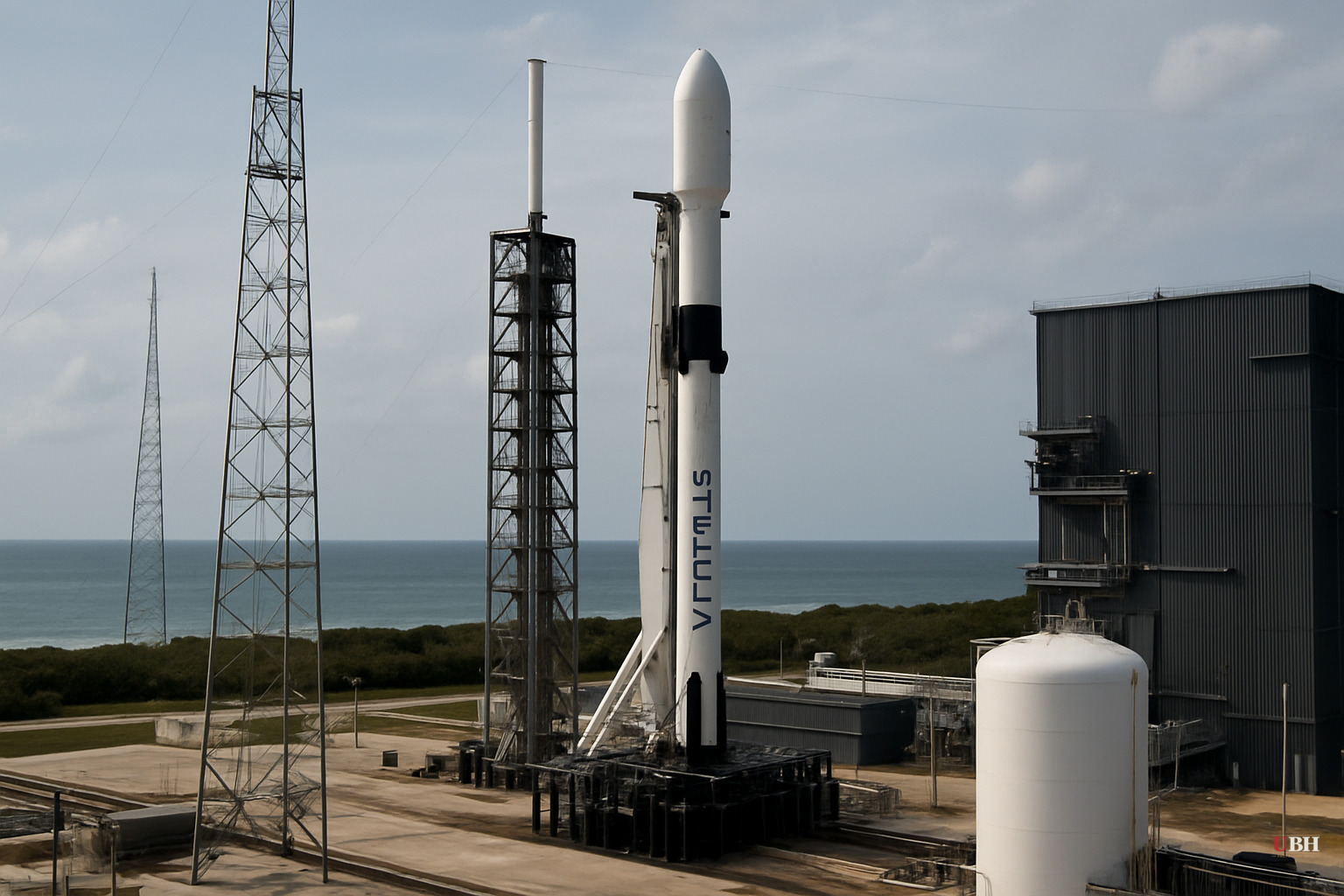
Since the SpaceX IPO demand story reached $250 billion in reported orders earlier this week, markets have focused almost entirely on the headline number. The currency story unfolding in Seoul has gotten far less attention — and deserves a closer look.
What Actually Happened in Seoul
South Korean investors — both institutional funds and affluent retail participants — were aggressively converting won to dollars to fund their bids for SpaceX pre-IPO allocations. According to Reuters, citing a source with direct knowledge of dollar-won onshore market transactions, the total dollar demand linked to SpaceX ran between $1.2 billion and $1.5 billion.
The won hit a 17-year low last week as this demand surge collided with an already-thin market. The dollar-won spot market handles roughly $14 billion in daily turnover, according to Reuters — which sounds large until a single IPO generates a demand shock worth roughly 10% of one day's volume. Markets that size don't absorb $1.5 billion in one-directional pressure quietly.
The Pressure Has Cleared — For Now
As of Wednesday, June 10, the unnamed source told Reuters the process has been "split and is nearly complete" and that "there won't be downward pressure on the FX market going forward."
The won responded. It gained 0.56% to reach 1,524.1 per dollar in afternoon Seoul trading on Wednesday, according to Reuters.
But context matters: the won is still down roughly 5% against the dollar this year, making it one of Asia's worst-performing currencies in 2026. The SpaceX demand spike was an aggravating factor on top of existing structural pressure — not the entire explanation for the currency's year-to-date weakness.
A $28.3 Billion Surplus Didn't Save Them
South Korea posted a near-record $28.3 billion current-account surplus in April, according to Reuters. That's a massive positive flow. Yet the won still got hammered by a single IPO's dollar demand.
When daily liquidity is $14 billion and a one-time capital outflow hits $1.5 billion, the fundamentals don't protect against short-term volatility. The currency market doesn't care that a nation's trade balance is healthy if everyone's selling won at the same time.
Regulators Are Paying Attention
This episode didn't go unnoticed by Seoul's financial authorities. The Bank of Korea and the Financial Supervisory Service have announced they will conduct joint inspections of major FX banks — the first such joint action in 14 years — to identify any attempts to manipulate exchange rates for profit, according to Reuters.
Joint inspections of that type are rare enough to signal regulatory concern about what just happened.
The Strongest Counterargument
Fair pushback: this was a temporary, predictable market event tied to the mechanics of a single IPO. Korean investors were acting rationally — trying to get allocations in what is shaping up to be the largest IPO in history. The dollar demand cleared through normal market processes, the won recovered, and no manipulation has been proven. Regulators launching inspections is arguably standard due diligence given the scale, not evidence of wrongdoing. The Bank of Korea and FSS may find nothing.
But "it cleared this time" isn't the same as "the market is robust enough to handle it next time." If one oversubscribed IPO can push a major Asian currency to a 17-year low, that's a structural question worth asking — regardless of how the short-term pressure resolved.
What Comes Next
The IPO is scheduled to be priced on Thursday, June 11, according to Reuters. Allocations to institutional and retail investors will follow after pricing. South Korean investors who submitted dollar-funded bids will learn whether they got allocations — and what the lock-up and return profile actually looks like.
The won has stabilized as of Wednesday, June 10. Whether it holds depends on what happens after pricing — specifically, whether late investors who missed the pre-IPO window attempt additional dollar purchases once shares begin trading.
The Bank of Korea is watching. And now so is everyone else.
Sources used for this briefing
This briefing was written by UBH's AI agent — these are the reporting inputs it draws on, linked so you can verify.


