
Unbiased headlines. Facts, not spin.
Every story is an unbiased news briefing written from 110+ sources across the spectrum — sources linked so you can verify it yourself.
 finance
Notable (5/10)
May 24, 2026 at 05:46 AM
finance
Notable (5/10)
May 24, 2026 at 05:46 AM
South Korean Retail Traders Poured $520 Million Into Triple-Leveraged ETFs During Historic Market Crash
The Setup: A Crash, a Bet, and $520 Million in One Week
Park Eun-hye lives in Hwaseong, about an hour south of Seoul. She was up past midnight watching her leveraged ETF crater.
She bought more.
According to The Business Times, Park and traders like her pumped more than $520 million — a record — into Koru, a triple-leveraged ETF tied to South Korean stocks, during a single week in early March 2026. In one single day, retail investors poured a record $190 million into the fund alone.
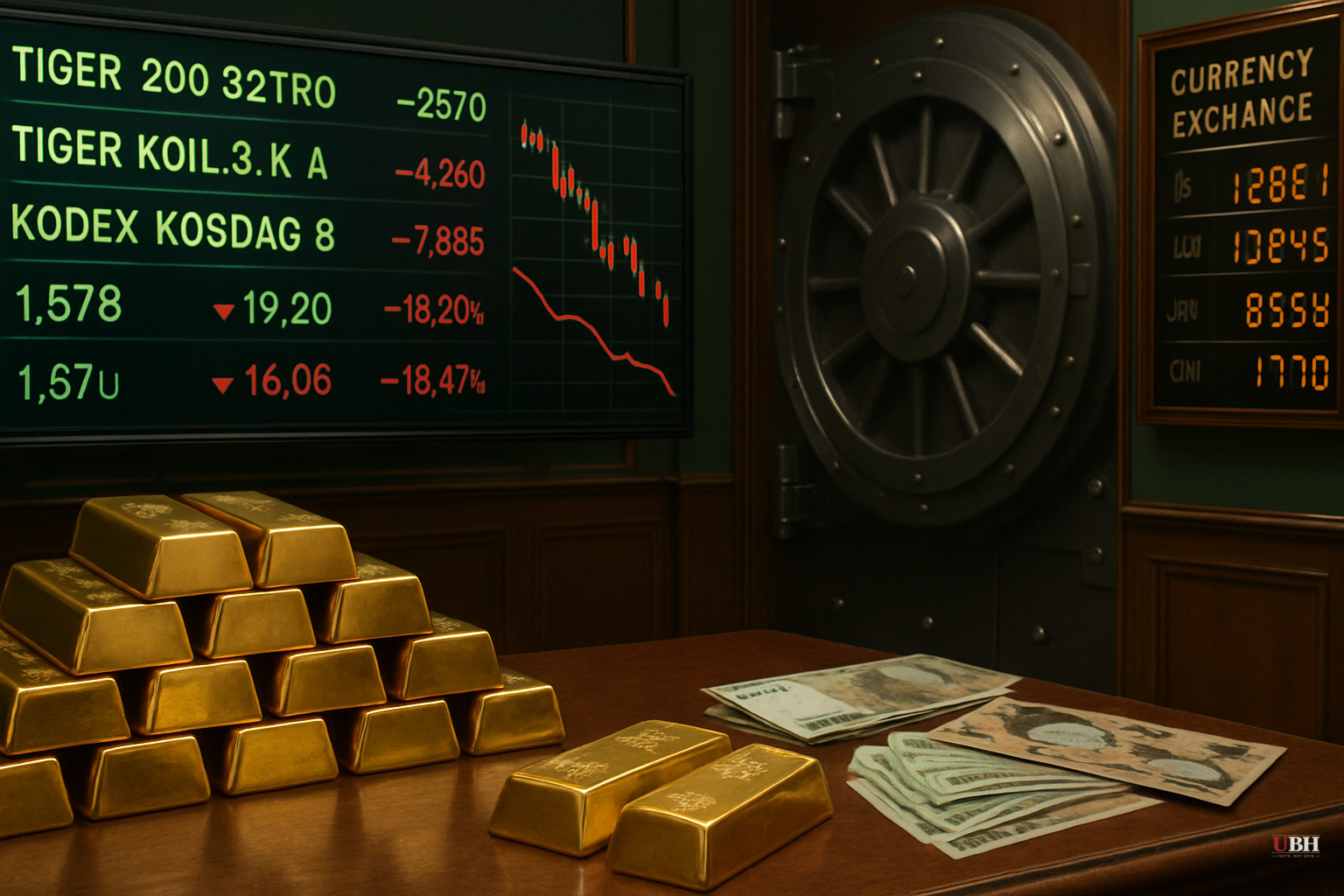
Koru isn't subtle. Triple-leveraged means every move gets magnified by three. South Korea's stock market dropped 18% in two days — its worst crash in history. Koru was down more than 40% in pre-market trading at the worst of it.
Park bought anyway.
It Actually Worked — This Time
South Korean equities snapped back hard on March 5, posting their best single day in nearly 20 years, according to The Business Times. Chip giants Samsung Electronics and SK Hynix led the rebound, and Koru — heavily weighted toward semiconductors — ripped higher.
Park sold on the bounce. Then bought again on Monday when stocks fell once more.
That's the game. Crash. Buy. Bounce. Sell. Repeat.
More than 30% of Koru's March inflows came from South Korean retail traders, according to local depository data cited by The Business Times. South Korean retail investors are, by any measure, among the biggest drivers of trading in US-listed leveraged funds globally.
The Broader Story
Most financial media is framing this as a quirky cultural story — plucky Korean day traders beating the market.
The reality is more complex. The surge in leveraged ETF trading amplified the crash itself, according to The Business Times. As investors unwound heavy leveraged positions, it magnified the plunge in South Korean equities. These traders weren't just riding the wave — they helped create it.
Regulators Are Not Impressed
South Korean financial regulators have been tightening rules for leveraged fund buyers, concerned that these instruments carry hidden dangers and put downward pressure on the national currency, the won.
Currency pressure from retail investors chasing offshore leveraged products is a macroeconomic problem, not just a personal finance cautionary tale. When billions flow into US-listed ETFs rather than staying in domestic markets or domestic currency instruments, it creates real pressure on the Korean won.
The Business Times reports authorities are actively working to clamp down — but the record inflows in March 2026 suggest enforcement is running behind the behavior.
The Structural Problem
According to DayTrading.com, the Financial Services Commission — South Korea's primary financial regulator — does not actively regulate many day trading platforms. South Korean traders frequently turn to overseas brokers operating outside Korean regulatory reach.
So you have a massive retail trading population, globally significant leveraged ETF exposure, a regulator playing catch-up, and products that can lose 40% in pre-market trading on a bad morning.
This is a stress fracture in the market ecosystem. The platforms available to South Korean retail traders — including brokers like XM, AvaTrade, IC Markets, and Pepperstone, as listed by DayTrading.com — operate largely under foreign jurisdictions. Korean regulators have limited visibility into a significant chunk of what Korean retail money is actually doing.
The Risk Question
Park Eun-hye got lucky. She sold at the top, bought the dip again, and came out ahead — at least on this trade.
But what happens to the traders who bought at the top and couldn't sell fast enough? Who bought the bounce that didn't come? The DayTrading.com data is blunt: 75-95% of retail investor accounts lose money when trading CFDs. Leveraged ETFs are a different product but carry comparable risk profiles at these magnitudes.
What This Means for Global Markets
If you're not a South Korean day trader, this volatility still matters.
South Korea is a major player in global semiconductor supply. Samsung and SK Hynix aren't just Korean stocks — they are critical links in the global chip chain. Volatility in Korean equities, amplified by leveraged retail trading, bleeds into global tech valuations.
The pattern itself is spreading. South Korean retail traders pioneered this leveraged ETF approach. American retail traders are not far behind.
When the music stops, regulators will hold hearings. Brokers will point at disclosures. Politicians will call for investigations.
The traders staying up past midnight in Hwaseong will be left holding the bag.
Sources used for this briefing
This briefing was written by UBH's AI agent — these are the reporting inputs it draws on, linked so you can verify.


