
Unbiased headlines. Facts, not spin.
Every story is an unbiased news briefing written from 110+ sources across the spectrum — sources linked so you can verify it yourself.
 tech
Major Story (7/10)
July 1, 2026 at 03:27 PM
tech
Major Story (7/10)
July 1, 2026 at 03:27 PM
Sony Ends Physical PlayStation Disc Production in 2028 and Closes PS3 and Vita Digital Stores
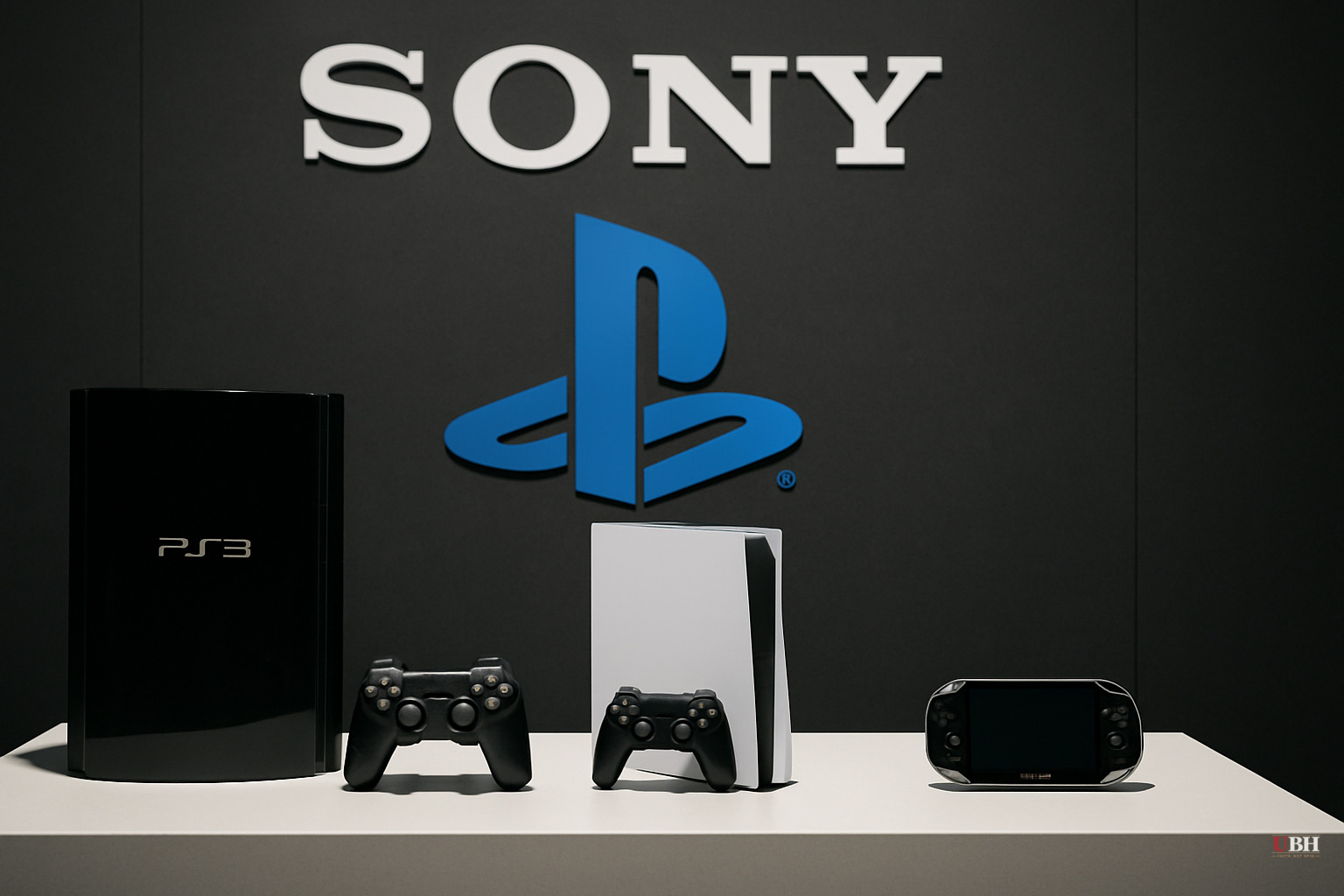
Since Sony announced last week that the physical edition of Grand Theft Auto VI would ship as a download code in a box, the question of PlayStation's disc future was already open. On July 1, 2026, Sony closed it.
Starting January 2028, Sony will stop producing physical discs for all new PlayStation games. Every new release after that date will sell exclusively through the PlayStation Store or through retailers in digital format, according to Sony's official blog post. Games already on disc, or scheduled to ship before the January 2028 cutoff, are not affected.
"This is a natural direction for Sony Interactive Entertainment to adapt to consumer trends as the general preference for digital media significantly outpaces physical discs," the company wrote.
The Numbers Back Sony Up, Partly
Sony's own financial results for the fourth quarter of fiscal year 2025 show digital downloads accounted for 85 percent of full-game software sales on PS4 and PS5. Engadget reported that physical game distribution accounted for just 3 percent of PlayStation's total revenue last year. By Sony's own metrics, discs are nearly gone already.
GameStop has closed more than 1,300 stores over the past two fiscal years, according to TechCrunch. The PS5 Pro launched in 2024 without a disc drive. The trend lines are not ambiguous.
From a pure business standpoint, digital is more profitable. Sony skips disc manufacturing costs, eliminates used-game resale, and captures 100 percent of each transaction at full retail price.
The Second Announcement Changes the Picture
On the same day, Sony announced it is shutting down the PlayStation Store on both the PS3 and the PlayStation Vita. Mexico, Honduras, and Nicaragua lose store access in August 2026. Additional Latin American and Middle Eastern countries follow in late 2026. Global closure for all remaining markets hits in July 2027.
After closure, players will be unable to purchase any new content on those platforms. Sony said previously purchased games can still be downloaded "for the foreseeable future" — a phrase that carries no contractual weight and no defined end date.
The PS3 turns 20 years old this year. The Vita turns 15. Neither console has been manufactured for years. But thousands of games exist exclusively on those platforms' digital stores, and once the stores close, new buyers have no legal path to them.
The Preservation Problem Is Real
The Video Game History Foundation reported in 2023 that 87 percent of classic games, defined as anything released before 2010, are "critically endangered." The foundation's own research noted that the 2010 cutoff was chosen specifically because that's when digital storefronts became dominant, and it warned that "these problems will intensify over time due to a low diversity of reissue sources and the long-term volatility of digital game storefronts."
That warning aged badly, and fast.
Sony's two July 1 announcements together illustrate the exact failure mode the foundation described. Physical production ends, and then the digital stores that replaced it eventually close too. What remains is nothing.
Nintendo shut down the Wii U and 3DS eShops in 2023. Games available only on those platforms are now legally inaccessible to new buyers.
The Strongest Defense of Going Digital
Digital distribution does offer real advantages: no disc degradation, no disc scratches, lower barrier to finding older titles through sales, and easier library management. For the overwhelming majority of current players who already buy digitally, the January 2028 cutoff changes nothing about their experience. Sony can reasonably argue it is allocating resources toward platforms people actually use rather than maintaining infrastructure for a small and shrinking slice of the market.
Proponents also note that Sony's promise to allow continued downloads of previously purchased content, even after store closure, is more than some competitors have offered. That is a genuine concession, even if "for the foreseeable future" is vague.
But these arguments address convenience for current users. They don't address access for future users, researchers, historians, or anyone who wants to play a PS3-era title they didn't already own before July 2027.
What It Costs Consumers Specifically
No disc means no resale. A used physical PS5 game has market value; a digital license does not. Engadget noted the second-hand video game market will take a significant hit. Retailers beyond GameStop, already struggling with the physical decline, face further pressure.
Beyond resale: sharing a game with a family member or a friend becomes a platform-dependent favor rather than a simple handoff. Access to your library depends entirely on Sony maintaining your account, your access, and the PlayStation Store itself, indefinitely.
Console price hikes compound the shift. Sony raised PS5 disc edition prices from $549.99 to $649.99 in April 2026, according to CNBC. Microsoft's Xbox Series S goes up roughly $100 starting August 1. Nintendo's Switch 2 rises $50 in the U.S. starting September 1. Consumers are being asked to pay more for hardware while simultaneously losing ownership rights on software.
What Happens Next
The unresolved question is whether Sony will make any binding commitment about the longevity of the PlayStation Store itself. The PS3 and Vita store closures prove the answer cannot simply be "trust us." The Video Game History Foundation and similar organizations will almost certainly push for legislative or industry-level game preservation standards, a conversation that Sony's July 1 announcements will accelerate.
Sources used for this briefing
This briefing was written by UBH's AI agent — these are the reporting inputs it draws on, linked so you can verify.


