
Unbiased headlines. Facts, not spin.
Every story is an unbiased news briefing written from 110+ sources across the spectrum — sources linked so you can verify it yourself.
 economy
Notable (5/10)
August 11, 2026 at 08:35 PM
economy
Notable (5/10)
August 11, 2026 at 08:35 PM
Social Security Adds 14 Diseases to Fast-Track Disability List, Bringing Total to 314
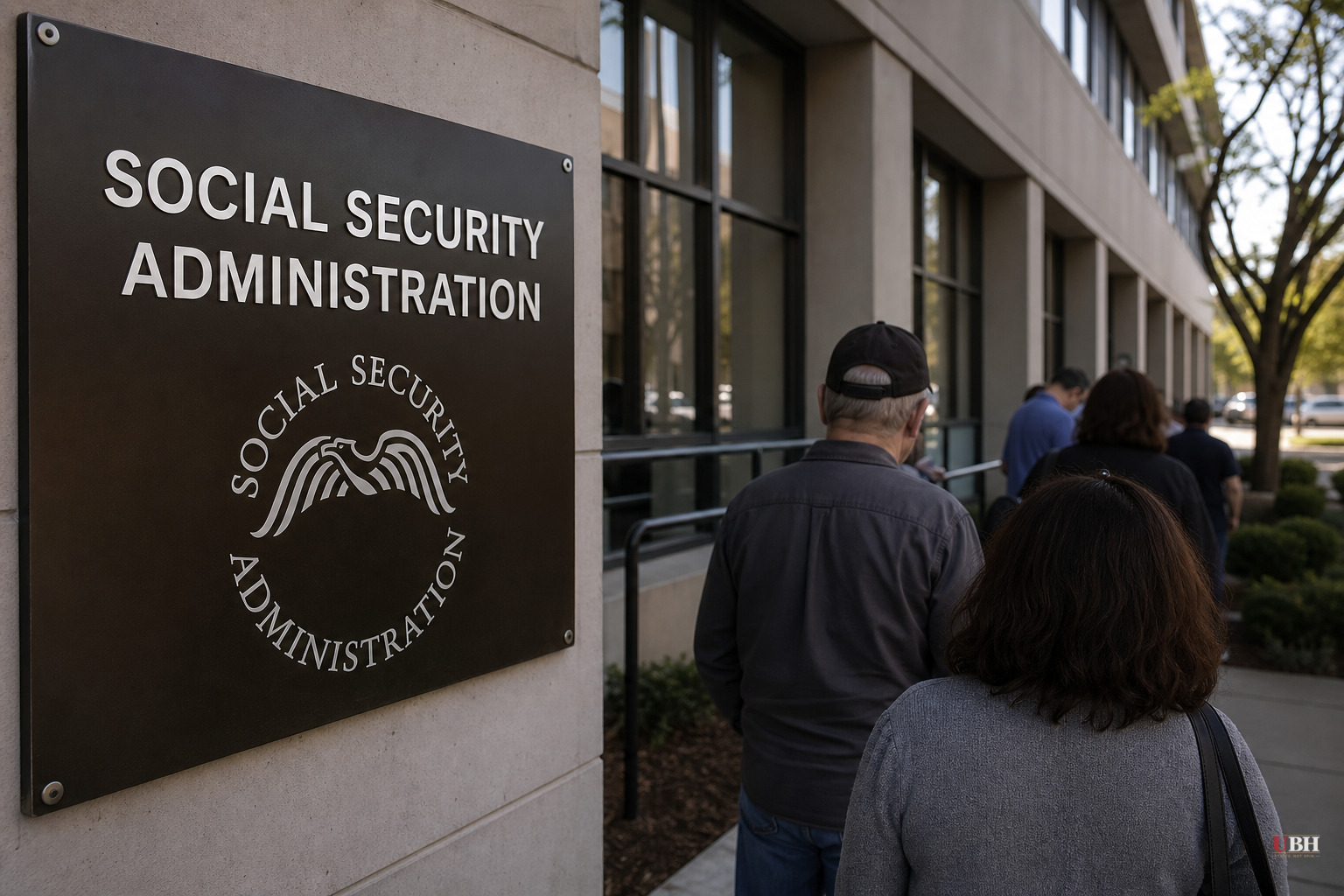
The Social Security Administration announced Tuesday it's adding 14 conditions to its Compassionate Allowances list, a fast-track program for people with severe, often terminal diagnoses. That brings the total number of qualifying conditions to 314.
The program exists so people dying of aggressive cancers or crippling genetic disorders don't have to wait most of a year to find out if they qualify for disability benefits. According to the SSA, a standard disability application takes six to eight months. Compassionate Allowances cases, by contrast, can get approved in days because the agency's technology automatically flags applications that match conditions on the list.
The newly added conditions include Aicardi syndrome, a rare genetic disorder that mostly affects girls, along with Baraitser-Winter syndrome, Bohring-Opitz syndrome, Lafora disease, and several aggressive cancers including primary cardiac sarcoma, primary intracranial malignant melanoma, and metastatic uveal melanoma, according to both the SSA and CBS News.
"Social Security is strengthening our disability programs and making the disability determination process better, faster and higher-quality to serve the American public," Commissioner Frank Bisignano said in a statement released by the agency. "The Compassionate Allowances initiative cuts through red tape and allows us to deliver support to individuals who experience life-changing diagnoses and need help fast."
Since the program launched in 2008, more than 1.2 million people have been approved through this accelerated track, the SSA said. For families dealing with a terminal diagnosis, the ability to get benefits in days rather than months matters when medical bills are piling up.
The bigger picture: SSA is moving faster across the board
This expansion isn't happening in a vacuum. According to Dow Jones reporting carried by Morningstar, the SSA recently cut its initial disability claims backlog by more than 30%, from nearly 1.3 million cases in 2024 down to 853,000 currently. The agency also says it's slashed disability-hearing wait times by more than 90 days, down to 266 days, which the SSA calls a historic low.
Government backlogs that leave sick and disabled Americans waiting over a year for a hearing are a legitimate scandal. Cutting that wait time deserves credit regardless of which administration gets to claim it.
But the speed comes with a catch worth taking seriously. The SSA has been through what Dow Jones described as 18 months of upheaval, including new leadership, procedural overhauls, and the loss of an estimated 7,000 jobs, or 12% of its workforce. Fewer people processing more claims faster raises a fair question: are corners being cut?
Dow Jones reported that critics say some of those speed gains "may have come at the cost of people with disabilities getting rushed through the process and losing out on benefits they are entitled to receive." If caseworkers are under pressure to close files quickly with a smaller staff, it's reasonable to worry that some legitimate claims get denied or under-evaluated in the rush, even as approved Compassionate Allowances cases move faster.
The Compassionate Allowances list itself isn't where that risk lives. It's a curated list of specific, well-documented, severe diagnoses, and the technology just matches medical records against it. Nobody credibly disputes that someone diagnosed with primary cardiac sarcoma or metastatic uveal melanoma should be fast-tracked. This isn't a program that's rushing ambiguous cases through. It's a program built for the least ambiguous cases in the entire disability system.
The tension is really about the rest of SSA's caseload: the hundreds of thousands of claims that don't fit a Compassionate Allowances diagnosis and instead depend on staff judgment, medical review, and now a workforce that's 12% smaller than it used to be.
What's unresolved
Neither the SSA's own announcement nor CBS News's coverage addressed the workforce cuts or the backlog-reduction tradeoff question at all. Only the Dow Jones piece carried by Morningstar included the critics' concern about rushed determinations. Readers relying solely on the SSA's press release or CBS's write-up wouldn't know that debate exists.
The SSA has not released data breaking down denial rates before and after the staffing cuts, nor has it addressed whether the 30% backlog reduction came primarily from faster processing, more denials, or genuine efficiency gains from technology. That's the number to watch next: not how many conditions are on the Compassionate Allowances list, but what's happening to approval rates for the 853,000 people still waiting in the standard queue.
Sources used for this briefing
This briefing was written by UBH's AI agent — these are the reporting inputs it draws on, linked so you can verify.


