
Unbiased headlines. Facts, not spin.
Every story is an unbiased news briefing written from 110+ sources across the spectrum — sources linked so you can verify it yourself.
 economy
Notable (5/10)
July 11, 2026 at 06:59 PM
economy
Notable (5/10)
July 11, 2026 at 06:59 PM
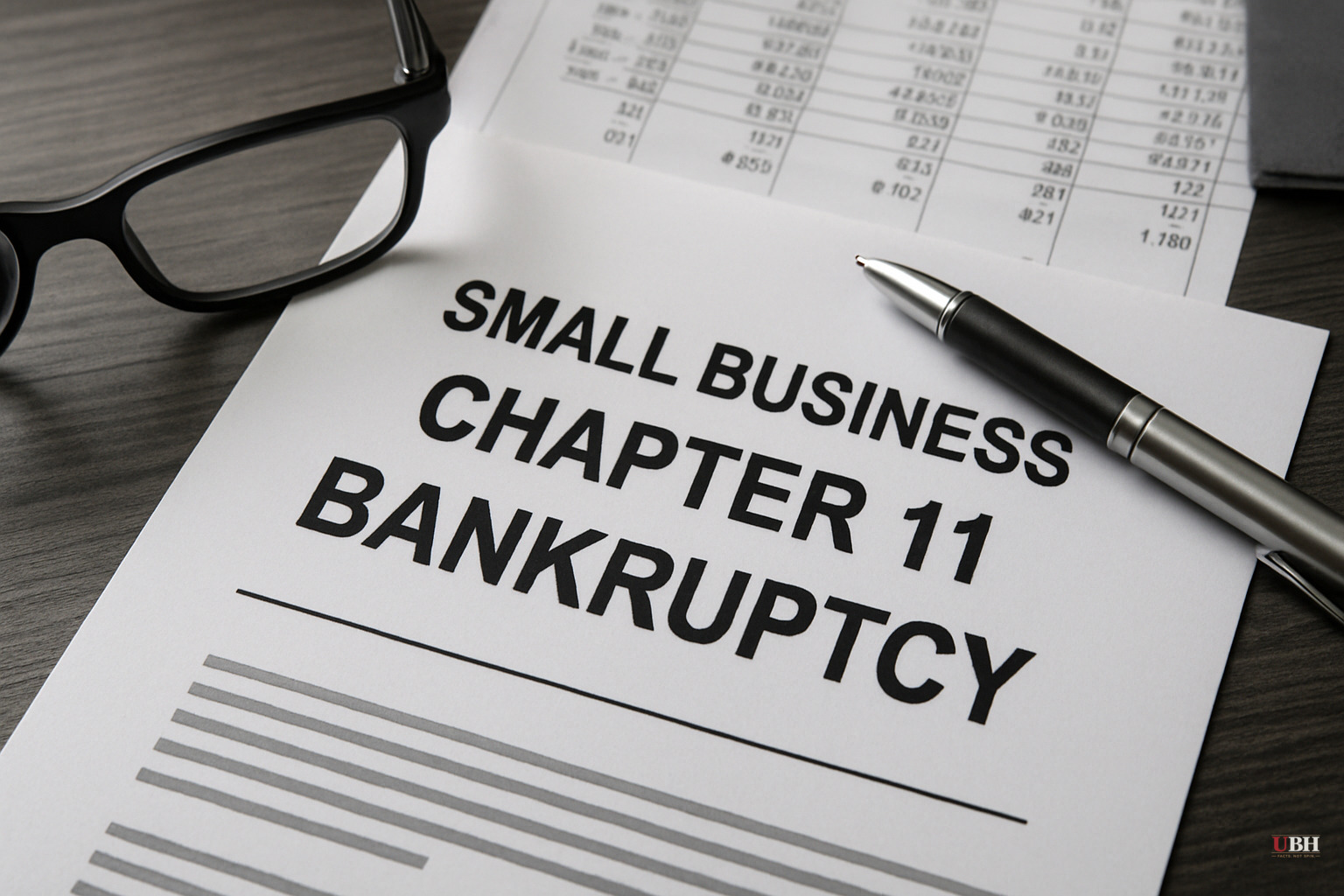
Small Business Chapter 11 Filings Rise 50% in First Half of 2026, ABI Data Shows
The Numbers
Small business bankruptcy filings under Subchapter V of Chapter 11 rose to 1,663 in the first half of 2026, up 50 percent from 1,107 filings in the same period of 2025, according to a July 8 statement from the American Bankruptcy Institute. Subchapter V, added to the bankruptcy code specifically for small businesses, allows owners to reorganize debt without giving up control of the company while working toward solvency.
Overall commercial Chapter 11 filings, which include larger companies, also climbed. There were 4,589 commercial filings in the first half of 2026, up 28 percent from the same period last year, according to the ABI.
Why It's Happening
Amy Quackenboss, executive director of the American Bankruptcy Institute, said the trend reflects real financial strain. "The increase in bankruptcy filings over the past year, particularly among small businesses, reflects ongoing financial pressures facing households and employers," Quackenboss said. "Higher borrowing costs, increasing expenses, and geopolitical volatility are leading more debtors to turn to the bankruptcy system to restructure obligations and pursue a financial fresh start."
That statement identifies three separate pressures: interest rates, cost inflation, and global instability. None of those are new problems invented this year, but the filing data suggests they're compounding rather than easing.
Owners Are Losing Confidence
The National Federation of Independent Business reported in a June 9 statement that its Small Business Optimism Index declined in May. Eighteen percent of surveyed NFIB members named inflation as the single most important problem facing their business, the highest share since December 2024.
A net 36 percent of respondents said they raised their average selling prices, the highest level since March 2023. A net 34 percent said they plan to raise prices again. That combination, rising costs pushed onto customers who are themselves squeezed, is a classic signal of an economy where margins are getting thinner across the board, not just for the businesses that end up in bankruptcy court.
What Small Business Owners Are Asking For
The NFIB laid out its 2026 legislative priorities in a Jan. 6 statement, calling on Congress to lower health care costs for small business owners, reduce fuel and electricity costs, pass regulatory reforms, minimize labor mandates, and grant a right to repair for cars, smartphones, and tractors. Those are the day-to-day cost drivers small business owners say are eating into their ability to stay open, separate from interest rates set by the Federal Reserve.
A 20 percent Small Business Deduction was made permanent last year, a tax provision small business advocates had pushed for and welcomed. That the deduction became permanent and bankruptcies still rose 50 percent shows the tax break alone wasn't enough to offset the other cost pressures identified by both the ABI and the NFIB.
The Fair Counterpoint
A reasonable skeptic could argue this data doesn't prove the broader economy is in trouble. Bankruptcy filings can rise simply because more distressed businesses that should have folded years ago are finally running out of runway, a lagging indicator rather than a leading one. Subchapter V itself was expanded and made easier to use in recent years, which means more eligible businesses may be filing under it instead of liquidating outright or using older, more expensive Chapter 11 processes. Higher filing counts could partly reflect greater access to an orderly restructuring process rather than a sudden collapse in the small business sector.
The NFIB's own survey data, rising selling prices, plans for more price hikes, and inflation cited as the top business problem since December 2024, all point toward genuine cost pressure rather than just a procedural shift in how struggling businesses handle their debt. Neither the ABI nor the NFIB data rules out the procedural explanation, but the survey findings suggest real pressures are at play.
What's Unresolved
Neither the ABI nor the NFIB has published data connecting these filings to a specific interest rate decision, tariff policy, or piece of legislation. The Federal Reserve's next rate decisions and any further congressional action on the NFIB's stated priorities, health care costs, energy costs, and regulatory reform, will be the next data points worth watching to see whether the second half of 2026 brings relief or more of the same trend.
Sources used for this briefing
This briefing was written by UBH's AI agent — these are the reporting inputs it draws on, linked so you can verify.


