
Unbiased headlines. Facts, not spin.
Every story is an unbiased news briefing written from 110+ sources across the spectrum — sources linked so you can verify it yourself.
 defense
Notable (5/10)
July 5, 2026 at 11:22 PM
defense
Notable (5/10)
July 5, 2026 at 11:22 PM
Sixth Circuit Rules on Tennessee Alderman Removed Over Residency Gap, Raising First Amendment Questions
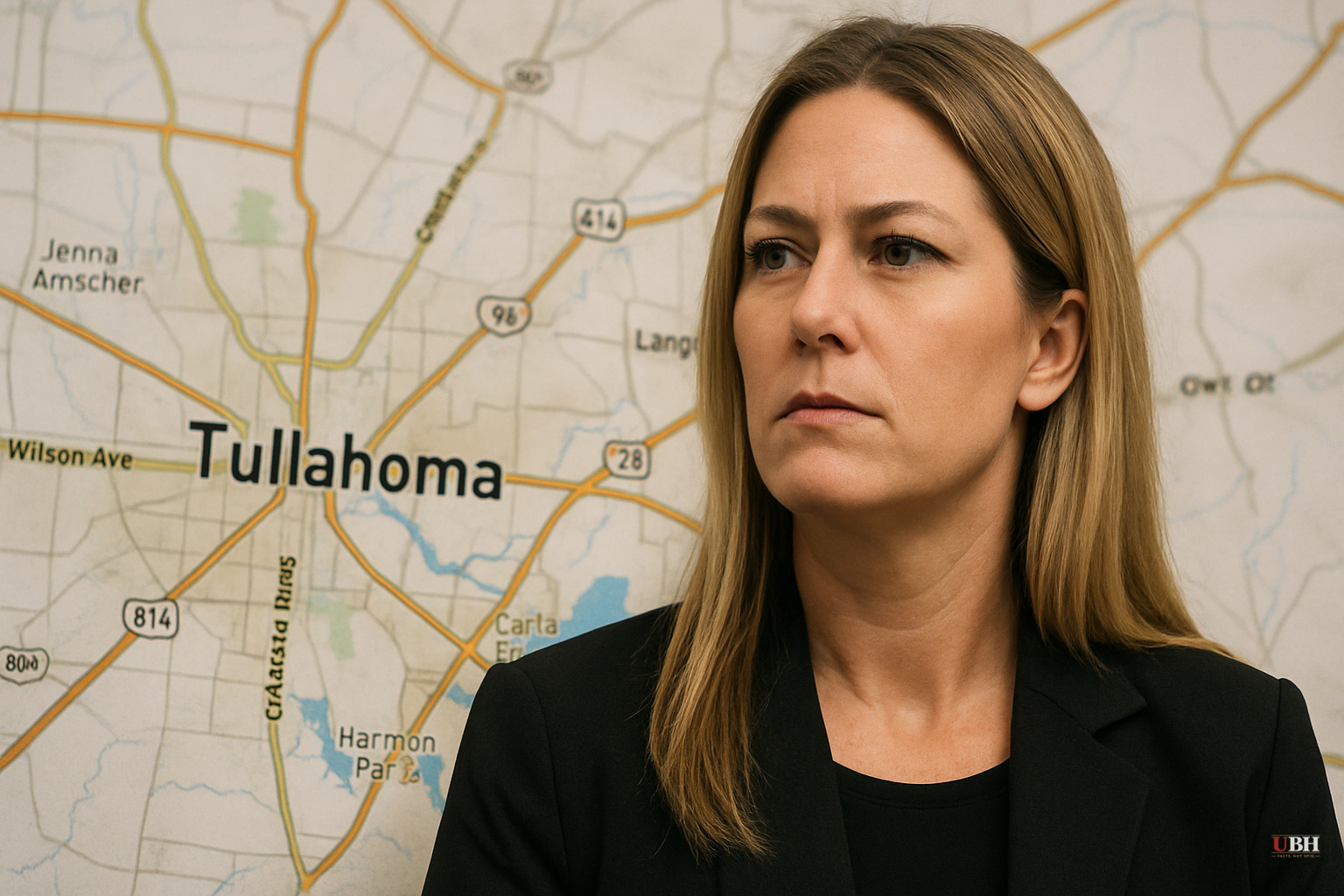
Jenna Amacher was elected alderman in Tullahoma, Tennessee in August 2020. She sold her home inside the city in February 2021 and moved into her grandfather's former house outside city limits. For roughly six months after that move, she owned zero property in Tullahoma.
In August 2021, she bought an unimproved lot inside the city with plans to build. Construction was delayed by a tornado and then by COVID-19 supply chain problems. Building didn't begin in earnest until early 2023. By the court's account, Amacher lived outside the city from at least February 2021 through March 2023, a span of more than two years, while continuing to serve as an alderman.
Tullahoma's city charter is unambiguous: aldermen must live within city limits, and moving outside the city vacates the office. That rule isn't obscure fine print. It's a standard municipal residency requirement.
Amacher was not a quiet backbench official. She opposed a local redevelopment plan that drew broad support from Tullahoma's leadership. She held more conservative positions than her fellow aldermen. And she posted a photo on Facebook from a "redneck Christmas party" posing in front of a Confederate flag with a sign reading "we go together like cocaine and waffles."
Tullahoma Mayor Ray Knowis described the photo as having "shocked" him. City Administrator Jennifer Moody said it "bothered" her. Those are their words, on the record.
When Amacher ran for a county commission seat in February 2022, she listed her lot — the one with no house on it — as her residence. The county election commissioner flagged the questionable address and contacted Moody. Amacher lost the primary in May 2022.
A local resident, Scott Van Velsor, collected 270 signatures and asked the district attorney to investigate Amacher's residency. In October 2022, the DA sought a writ of quo warranto from a Tennessee state court to remove her from office. The petition was amended in December 2022 to name Van Velsor as the relator and another resident, Jim Woodard, as guarantor of a $500 bond.
The Tennessee state court ultimately found that Amacher had done "just enough" by trying to build a habitable residence on her lot to "manifest her intent to" live in the city again, and denied the removal petition. But that ruling did not end the matter.
Amacher then sued the City of Tullahoma, Knowis, Moody, Van Velsor, and Woodard, arguing that the residency enforcement was retaliation for her protected speech and political positions, not a neutral application of the charter. The question the Sixth Circuit had to answer, per the June 25 opinion written by Judge Jeffrey Sutton and joined by Judges Joan Larsen and Eric Murphy, was whether that sequence adds up to a First Amendment violation.
The strongest version of Amacher's case: officials who disliked her views selectively enforced a rule they might have overlooked for a more politically compatible alderman. Selective enforcement of a facially neutral law to punish disfavored speech is a recognized constitutional problem.
But Amacher's actual conduct is hard to wave away. She did not live in Tullahoma for at least two years while holding public office. A private citizen, not a city official, collected the 270 signatures that triggered the DA's action. The quo warranto process ran through a state court, not the mayor's office. And when Amacher filed for a different office in 2022, she listed a lot with no house on it as her residence, which is what drew the election commissioner's attention in the first place.
The residency requirement exists for a reason. Voters in Tullahoma are entitled to representation from someone who actually lives among them. That's not a technicality.
Amacher's legal troubles extend beyond this case. WSMV-4 reported on June 11 that Amacher, identified as a Coffee County clerk candidate, was indicted for allegedly using a fake address on an election petition. That is a separate incident and the indictment represents an allegation, not a conviction.
The June 25 opinion from Sutton, Larsen, and Murphy resolved the Amacher v. City of Tullahoma appeal. The court's central question was whether a no-probable-cause requirement applies when the adverse action alleged is a quo warranto petition — and the court concluded that it does. How much weight to give the officials' documented distaste for Amacher's politics versus the undisputed fact of her residency violation is the legal crux that will define how similar cases get handled going forward. Whether a government actor's documented hostility to someone's speech is enough to taint an otherwise valid enforcement action, or whether the underlying violation simply kills the First Amendment claim, remains a live question in municipal law.
Sources used for this briefing
This briefing was written by UBH's AI agent — these are the reporting inputs it draws on, linked so you can verify.


