
Unbiased headlines. Facts, not spin.
Every story is an unbiased news briefing written from 110+ sources across the spectrum — sources linked so you can verify it yourself.
 economy
Low Interest (4/10)
July 5, 2026 at 05:48 AM
economy
Low Interest (4/10)
July 5, 2026 at 05:48 AM
Six California Cities Rank in the Bottom 10 for Education Nationwide, All in the Central Valley
The Rankings
WalletHub published its education ranking of the 150 largest U.S. metro areas on June 29, and California dominated the bottom of the list in a way no state should want.
Visalia ranked second least educated overall. Bakersfield came in fourth. Modesto, Fresno, Stockton, and Salinas followed in that cluster, placing all six Central Valley metros inside the bottom ten.
The other four cities rounding out that bottom ten were all in Texas: McAllen-Edinburg-Mission (least educated nationally), Brownsville-Harlingen (third), Beaumont-Port Arthur (ninth), and El Paso (tenth), according to WalletHub.
How WalletHub Measured It
The methodology gave equal weight to four factors: the share of adults 25 and older who hold at least a high school diploma, who have some college experience, who hold a bachelor's degree or higher, and who hold a graduate or professional degree. No single factor was weighted above another.
Visalia ranked last among all 150 metros in both the bachelor's degree and graduate/professional degree categories. It placed dead last on the two credentials most directly tied to white-collar employment.
WalletHub analyst Chip Lupo framed the stakes plainly: "Higher education doesn't guarantee better financial opportunities in the future, but it certainly correlates with it. The most educated cities provide good learning opportunities from childhood all the way through the graduate level."
The Income and Poverty Numbers Complicate the Story
Visalia ranked 107th out of 150 in median annual household income. Not great, but not last. Its poverty rate of 11.3 percent sits below California's statewide average of 11.8 percent, according to U.S. Census data.
Stockton ranked 31st highest in median household income among the 150 metros. Salinas ranked 26th highest. Both sit near the bottom in educational attainment. That's a real tension in the data.
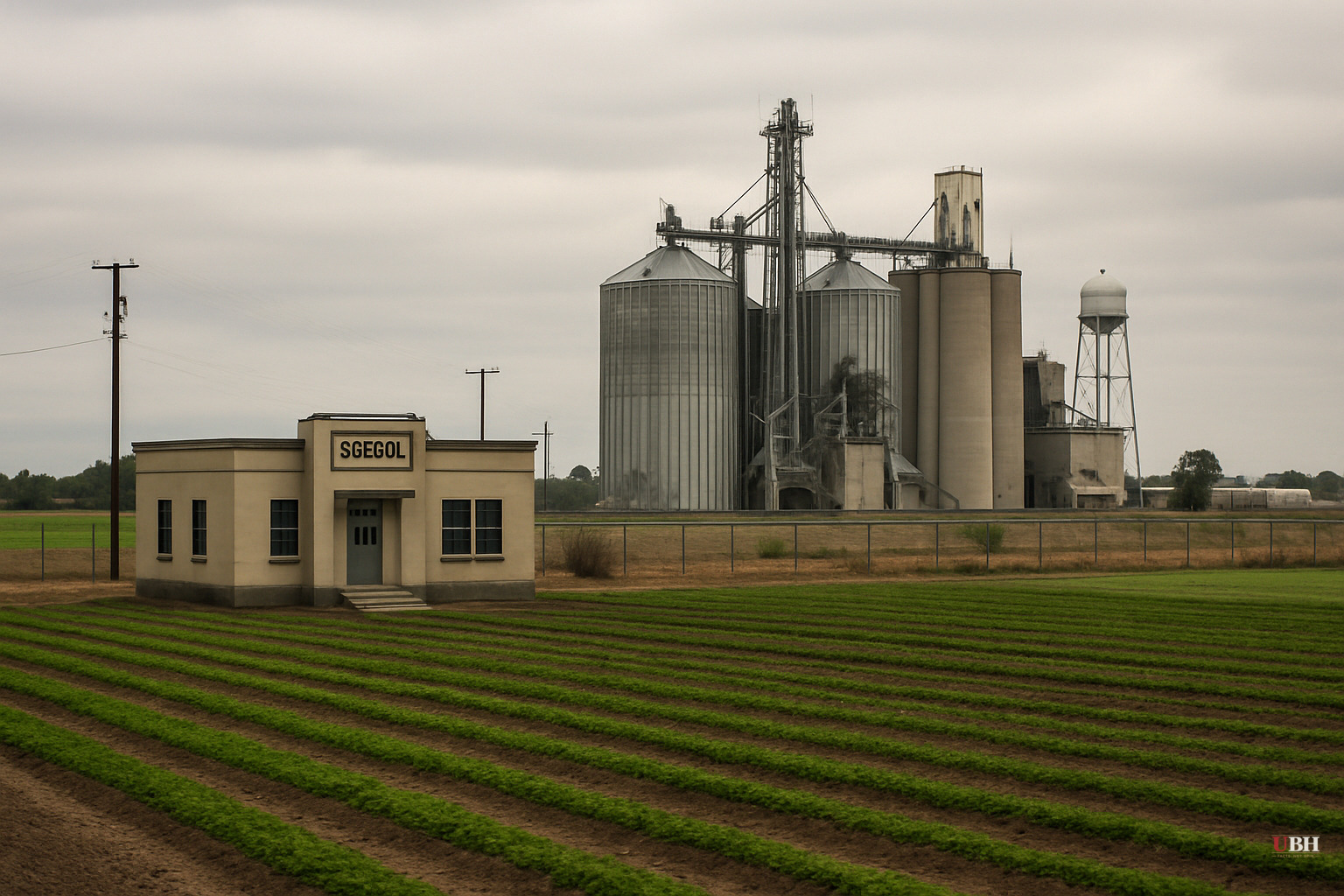
The explanation that fits best: California's Central Valley runs on agriculture. Farming, food processing, and logistics are industries that have not historically required four-year degrees and can pay wages that support a household, particularly when housing costs, while rising, remain far below what workers face in the Bay Area or Los Angeles.
The Fairest Counterpoint
Critics of rankings like this argue they flatten economic reality in ways that penalize working-class regions unfairly. A farmworker or a diesel mechanic in Fresno may earn a solid living without a bachelor's degree, and measuring a city's worth by the share of residents who sat through four years of university ignores the legitimate economic role of skilled trades, agriculture, and manufacturing.
That point deserves to be taken seriously. The income and poverty numbers for Stockton and Salinas support it, at least partially. Median household income is not the same as quality of life, but it's not nothing, either.
The honest response to that argument: the correlation between education rates and long-run economic mobility, wage ceilings, and a region's ability to attract diversified industries is well-documented. Agriculture is cyclical, increasingly mechanized, and vulnerable to water scarcity — a chronic issue in the Central Valley. A region that is highly dependent on low-credential industries and scores last nationally on graduate degree attainment is carrying structural risk whether its current income numbers look acceptable or not.
The Other End of the Scale
For context, the San Jose metro area, home to Silicon Valley, ranked fourth most educated in the United States according to WalletHub. That's the same state, roughly 200 miles from Fresno. California is running two entirely different economies in parallel, and the education gap between the coast and the interior is a large part of why.
What Comes Next
WalletHub's methodology does not measure K-12 school quality, English-language learning participation, or the share of the workforce that is foreign-born. All of these factors significantly affect degree attainment rates in agricultural regions with large immigrant populations. Whether state education funding formulas are adequately accounting for those dynamics is an open question California's legislature has not resolved. The state's school finance system, which distributes money partly through the Local Control Funding Formula, was designed specifically to direct more dollars to high-need districts. Whether those dollars are producing measurably better degree attainment in the Central Valley over time is not addressed in the WalletHub data, and remains a concrete policy question without a clear current answer.
Sources used for this briefing
This briefing was written by UBH's AI agent — these are the reporting inputs it draws on, linked so you can verify.


