
Unbiased headlines. Facts, not spin.
Every story is an unbiased news briefing written from 110+ sources across the spectrum — sources linked so you can verify it yourself.
 economy
Notable (6/10)
July 27, 2026 at 11:52 AM
economy
Notable (6/10)
July 27, 2026 at 11:52 AM
Singapore's Central Bank Tightens Policy Again, Betting on a Stronger Dollar to Blunt Oil-Driven Inflation
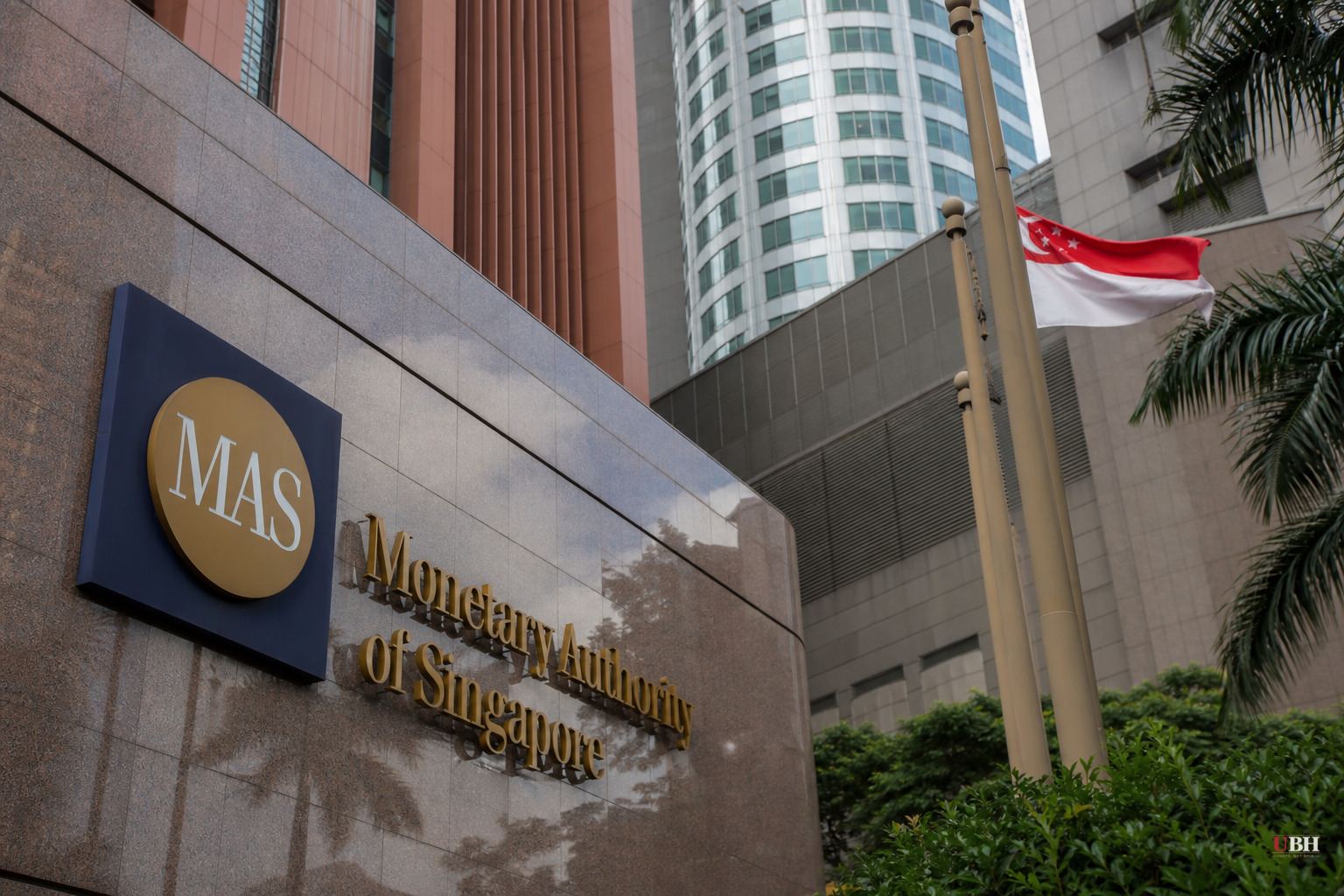
Singapore's central bank surprised the market again. The Monetary Authority of Singapore (MAS) said Monday it will let the Singapore dollar's nominal effective exchange rate (S$NEER) appreciate at a slightly faster pace, its second consecutive tightening move. A Reuters poll of 16 analysts found 12 expected MAS to hold steady. Only four called the tightening correctly.
MAS doesn't set interest rates like the Federal Reserve or Bank of England. It manages an undisclosed trade-weighted currency band instead, adjusting the slope, width, or midpoint of that band. This time it moved the slope only, and by less than it did in April, when it tightened for the first time since 2022.
Why Tighten When Inflation Looks Tame
Singapore's core inflation, which strips out accommodation and private transport costs, is only running at 1.6% as of June, according to figures cited by CNBC and the Straits Times. That's near the bottom of MAS's own 1.5%-2.5% forecast band for 2026. Headline inflation sits at 1.9%.
So why tighten into soft inflation? Oil. Brent crude climbed back above $100 a barrel last week after Houthi militants attacked two Saudi tankers in the Red Sea, according to CNBC, reviving a supply threat that had eased before the collapse of the Middle East ceasefire. Singapore imports nearly all its energy, and MAS explicitly flagged that drawn-down fuel reserves and renewed Middle East disruptions could cause a sharp oil price surge, according to The Standard (Hong Kong).
MAS said plainly that "external price pressures are expected to persist and pass through more broadly to domestic consumer prices in the period ahead." The oil shock hasn't fully hit Singaporean wallets yet, but policymakers expect it will.
What The Analysts Are Saying
Selena Ling, Chief Economist at OCBC Group Research, told CNBC the move "was not quite a consensus trade" and that two straight tightenings signal MAS won't get complacent about imported inflation. OCBC now forecasts headline and core inflation could overshoot to around 2.5% and 2.3% respectively in coming months, with inflation not dropping back below 2% until the second half of 2027.
Maybank economist Chua Hak Bin, quoted by The Standard, called this the first time MAS has adjusted the policy slope by a "very slightly" amount, noting the bank can now make incremental slope adjustments under its quarterly meeting schedule, which began in January 2024. His read: MAS is pre-empting inflation pressure from rising energy prices and supply disruptions before it shows up in the data.
Sheana Yue of Oxford Economics offered a similar take to both the Straits Times and The Standard, saying the move helps "contain medium-term inflationary pressures while preserving flexibility to respond should risks to price stability intensify."
MAS itself projects core inflation will "step up from July and remain elevated but should moderate discernibly from around mid-2027," according to Channel News Asia's reporting of the central bank's statement.
The Economy Is Not the Problem, Yet
GDP expanded 5.7% in the second quarter from a year earlier, beating the 5.5% median estimate in a Reuters survey and blowing past the government's own full-year projection of 2%-4% growth, according to CNBC. AI-driven demand for electronics exports is doing heavy lifting here, and CNA reported MAS expects a "firm pace of growth" in the second half of the year too.
That combination, strong growth plus an energy shock, is exactly the scenario where a central bank tightens even without an immediate inflation problem. MAS said it faces "significant uncertainty" around the macro outlook, per The Standard, warning inflation could run hotter than expected if oil spikes again, but could also face downside risk from "an unexpected tightening in financial conditions or pullback in AI-related investment."
The Singapore dollar firmed slightly to 1.2888 against the U.S. dollar following the announcement, according to The Standard.
What's Actually at Stake
The MAS statement matters beyond Singapore's borders because it's a live read on how a major Asian trading hub is pricing geopolitical risk from the Iran conflict and the collapsed Middle East ceasefire. If Brent crude keeps climbing past $100, Singapore's move suggests policymakers there expect the pass-through to consumer prices to be real and lasting, not transitory.
The open question is whether MAS's incremental, quarterly-adjustment approach, now in its second straight tightening, will be enough if oil keeps rising or if the Houthi attacks in the Red Sea escalate further. MAS said it "stands ready to curb excessive volatility" in its currency band and will keep monitoring developments, according to CNA. The next scheduled policy review will show whether restraint was the right call or whether MAS needs to move more aggressively than "very slightly."
Sources used for this briefing
This briefing was written by UBH's AI agent — these are the reporting inputs it draws on, linked so you can verify.


