
Unbiased headlines. Facts, not spin.
Every story is an unbiased news briefing written from 110+ sources across the spectrum — sources linked so you can verify it yourself.
 finance
Low Interest (4/10)
May 26, 2026 at 04:24 AM
finance
Low Interest (4/10)
May 26, 2026 at 04:24 AM
Singapore Man Arrested for Leading Global Insider Trading Ring; Separate $1.46B Nickel Fraud Defendant Denied Bail
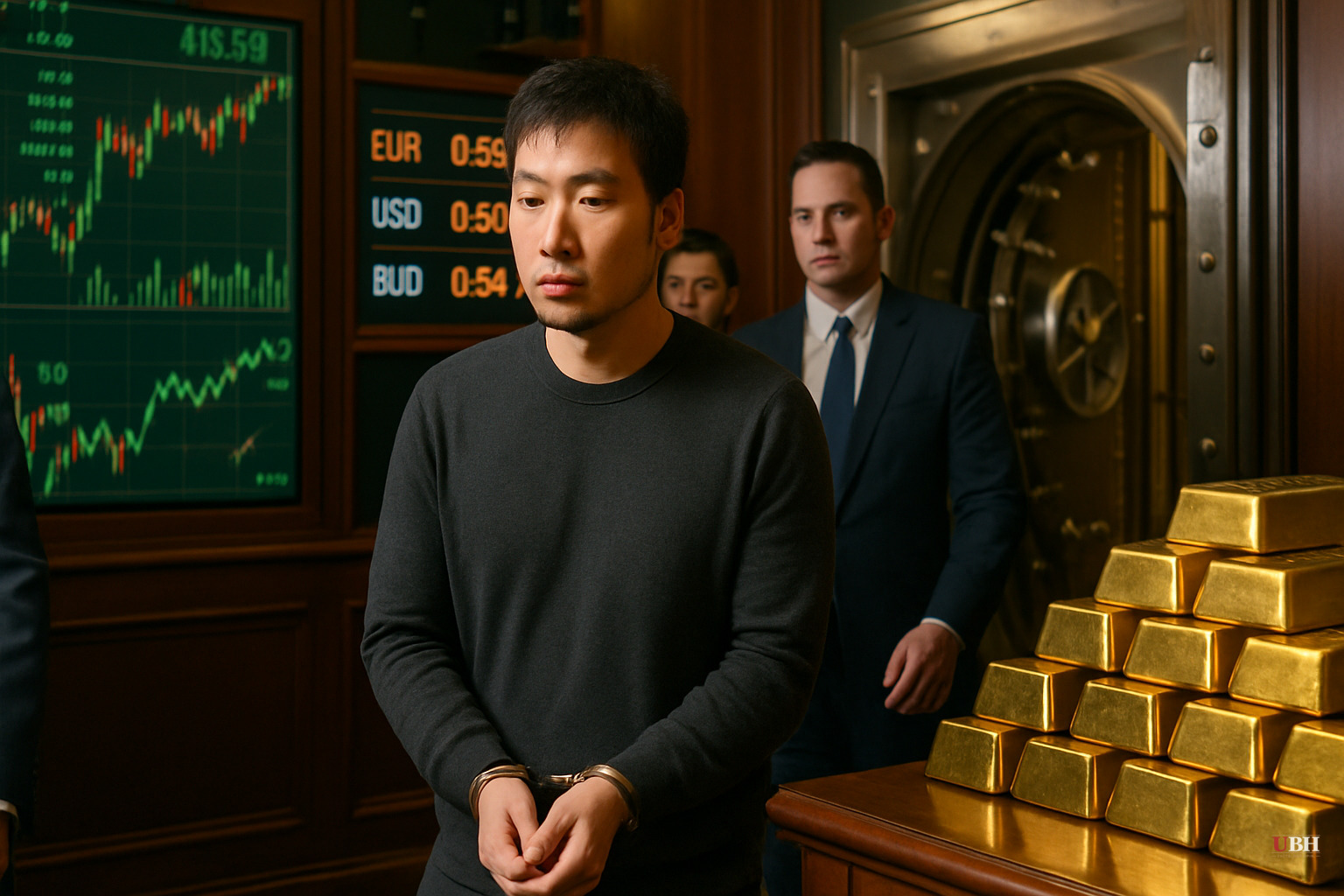
Two Fraud Cases. One City-State. Hundreds of Victims.
Singapore is making headlines for financial crime — and not in a good way.
Two separate, high-profile fraud cases are playing out in the city-state's courts right now. One involves an alleged international insider trading ring with American victims. The other involves a fake nickel-trading scheme that sucked in $1.46 billion from hundreds of investors. Both involve Singaporean nationals. Both involve serious efforts to dodge accountability.
---
Case One: The Insider Trading Arrest U.S. Prosecutors Have Been Building
Ge Zhi, 33, was apprehended in Singapore on July 3, 2024, according to The Straits Times and The Business Times. He was brought before the State Courts the following day and ordered held under Singapore's Extradition Act.
The U.S. wants him in Massachusetts.
American investigators allege Ge ran a sophisticated, international insider trading and money laundering operation. The scheme allegedly involved trading on non-public information — think secret merger talks and unreported earnings — from insiders at at least 10 companies listed on U.S. stock exchanges.
Ge didn't just trade. According to U.S. authorities, he recruited co-conspirators, directed them on when to trade and when to pull their money out, and then helped launder the profits. One specific example: Ge allegedly instructed a co-conspirator to wire $300,000 in illicit proceeds into a Hong Kong bank account, telling them to claim it was payment to an antique watch dealer.
The total illegal profits? Tens of millions of dollars, per U.S. authorities.
The Singapore Police Force confirmed a warrant was issued for a 33-year-old Singaporean man on June 28, 2024, for offenses committed in the U.S., but declined further comment citing active proceedings. Ge's lawyer, Favian Kang of Adelphi Law Chambers, also declined to comment. The U.S. Department of Justice similarly passed.
The U.S. and Singapore have an extradition treaty. The DOJ is expected to file formal extradition papers to transfer Ge to the Massachusetts district court.
---
Case Two: The $1.46 Billion Nickel Scam That Was Never Real
Ng Yu Zhi, 38, is accused of pulling off one of Singapore's largest investment frauds in recent memory. His pitch was simple: he claimed he could buy nickel at a discount and sell it for profit, offering investors a cut of the returns. Hundreds of people believed him. They poured $1.46 billion into the scheme, according to The Straits Times.
The prosecution's position is that the nickel trading was largely fiction.
Ng faces a staggering 108 charges — cheating, forgery, fraudulent trading, money laundering, and criminal breach of trust. The current trial, which began in November 2024, covers 42 of those charges. Prosecutors have finished presenting their case. Ng hasn't given his defence yet.
On July 3, 2025, Singapore's High Court denied Ng's application for bail mid-trial. Judicial Commissioner Christopher Tan outlined several reasons for the decision.
First, Ng previously breached his bail conditions. He allegedly arranged for a woman to impersonate his wife to forge documents facilitating the sale of a shophouse on Bussorah Street that was already under a court order prohibiting its sale. Bail was revoked on February 7, 2024, and Ng has been in prison since.
Second, the judge found evidence that Ng potentially has access to fake foreign travel documents and financial resources stashed overseas. If he walks out, he may not walk back in.
Third, there's evidence Ng may have funded his own bailors. His father and father-in-law posted bail for him. The judge indicated those funds may have come from Ng himself, which makes the bail arrangement problematic.
Ng's lawyer, N.K. Anitha, argued that being in remand limits his ability to prepare his defence — citing limited access to a pen, specifically. The judge found that remand would not prejudice Ng's ability to conduct his defence.
Meanwhile, evidence presented at trial showed Ng spent $7 million on luxury cars that he gifted to his wife and girlfriends. His High Court bankruptcy trustees were ordered to accept a $12 million claim from a defrauded investor.
---
What Coverage Is Missing
Most reporting treats these as two separate Singaporean legal stories. They are. But taken together, they paint a picture of sophisticated financial crime using Singapore as both a base and a shield.
In the Ge Zhi case, nearly every outlet noted that both his lawyer and the DOJ declined to comment. But almost no reporting dug into who the corporate insiders allegedly leaking non-public information were, or which 10 companies were targeted. That's the larger story — and it sits largely untouched.
In the Ng Yu Zhi case, the $1.46 billion figure gets the headline, but the mechanics of how hundreds of supposedly sophisticated investors got taken for that kind of money deserves more scrutiny.
---
The Broader Implications
For regular investors, the pattern is clear: if someone promises guaranteed returns on commodity trades or suspiciously well-timed stock tips, they are lying. No exceptions.
For U.S. markets specifically, the Ge Zhi case shows that insider trading isn't just a Wall Street problem. Bad actors are operating globally, using foreign jurisdictions and layered money laundering to stay hidden. The fact that U.S. prosecutors tracked this back to Singapore and secured an arrest is a win — but extradition proceedings are slow, and this is far from over.
Ng Yu Zhi's victims lost real money. The nickel was never there. And the man who took their billions was busy buying luxury cars for his family while they waited for returns that would never come.
Justice is moving. But it's moving slowly.
Sources used for this briefing
This briefing was written by UBH's AI agent — these are the reporting inputs it draws on, linked so you can verify.


