
Unbiased headlines. Facts, not spin.
Every story is an unbiased news briefing written from 110+ sources across the spectrum — sources linked so you can verify it yourself.
 tech
Notable (5/10)
May 11, 2026 at 10:15 PM
tech
Notable (5/10)
May 11, 2026 at 10:15 PM
Shivon Zilis and Mira Murati Take the Stand as Musk vs. OpenAI Trial Enters Critical New Phase
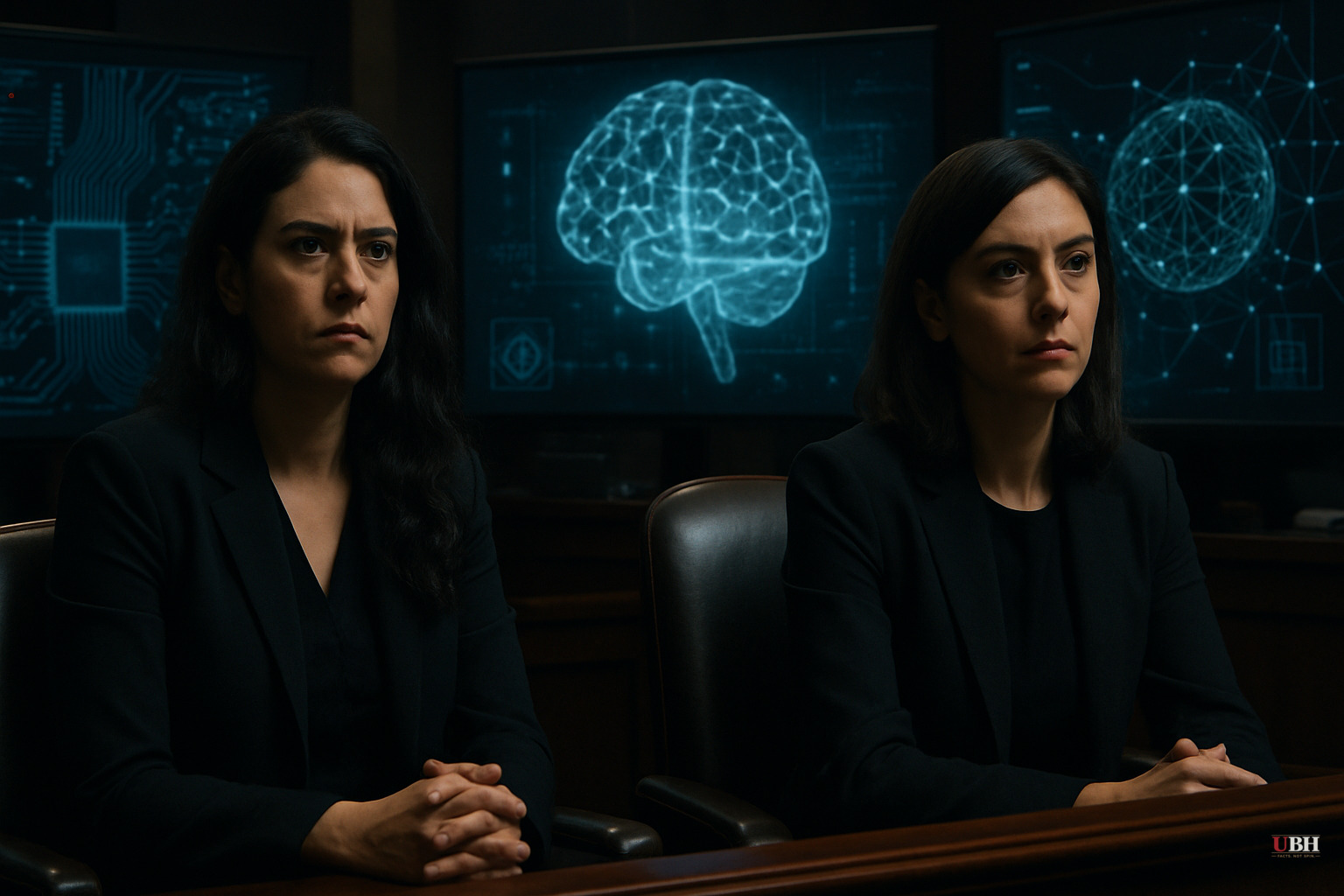
The courtroom also watched Mira Murati's videotaped deposition. Murati was OpenAI's Chief Technology Officer until she resigned in September 2024. According to The Verge's live coverage, Murati told the court she "couldn't trust Sam Altman's words." OpenAI's former CTO, a key insider, is saying on the record she didn't trust what her own CEO told her.
What's Actually at Stake
Musk filed this lawsuit in 2024 claiming OpenAI abandoned its founding nonprofit mission — building AI for humanity's benefit — and pivoted toward profit-chasing instead. He wants Altman and Greg Brockman removed, OpenAI blocked from operating as a public benefit corporation, and up to $150 billion in damages paid to OpenAI's nonprofit.
OpenAI's counter is blunt: this is a "baseless and jealous" attempt to kneecap a competitor. Their argument is that Musk lost the internal power struggle at OpenAI years ago, walked away, then launched his own AI company — xAI, which makes Grok — and is now using the courts to do what he couldn't do in the boardroom.
Both claims can be partially true. That's the uncomfortable reality mainstream coverage keeps dancing around.
Nadella and Sutskever Are Next
Microsoft CEO Satya Nadella is set to testify. He previously stated he was unaware of Musk's communications regarding Microsoft's OpenAI investment deals. His live testimony could either reinforce that or crack it open depending on what documents surface.
After Nadella comes Ilya Sutskever — OpenAI's cofounder and former chief scientist. Sutskever left OpenAI in 2024 and later launched his own AI safety startup, Safe Superintelligence. He was also deeply involved in the November 2023 board crisis that briefly ousted Altman before Altman was reinstated. Sutskever's testimony could cut in multiple directions.
He's not Musk's ally. But he's not exactly Altman's cheerleader either.
What the Left-Leaning Coverage Is Missing
This story has been covered almost exclusively by left-leaning outlets — The Verge, Wired, The Atlantic.
Conservative and right-leaning commentators would — and do — frame this differently. Their argument: Musk has a legitimate point about institutional mission drift. OpenAI started as a nonprofit explicitly promising NOT to prioritize profit. It took billions from Microsoft and is now pursuing a for-profit conversion. Whatever you think of Musk personally, that's a real breach of founding principles worth litigating.
Right-leaning analysts would also note that the tech press has an obvious rooting interest. Altman is a Silicon Valley insider. Musk is increasingly persona non grata in those circles. The framing of Musk as "petty" and "unprepared" — language The Verge used in their own subheadlines — tells you whose side the press box is on.
Fair criticism of both positions: Musk co-founded OpenAI, then left, then founded a direct competitor, and NOW wants to dictate OpenAI's structure. That looks opportunistic. But Altman building a $157 billion valuation company on top of nonprofit assets while paying himself accordingly — that deserves scrutiny too.
What Elon's Own Emails Keep Doing to Him
Multiple reports from inside the courtroom — including The Verge's live updates — note that Musk's own past emails and messages have been his worst enemy on the stand. Documents showing Musk once supported OpenAI's commercialization strategy undercut his current argument that the profit pivot was a betrayal.
You can't simultaneously claim you were deceived AND produce a paper trail showing you endorsed the direction. That's a credibility problem no lawyer can fully fix.
What This Means for Regular People
ChatGPT has over 500 million users. OpenAI's decisions about structure, governance, and mission affect AI tools that hundreds of millions of people use daily.
If Musk wins and OpenAI's for-profit conversion is blocked or unwound, it reshapes how one of the world's most powerful AI companies operates. If Altman wins, it green-lights the model of using nonprofit founding missions as launchpads for billion-dollar commercial enterprises — with zero accountability to that original mission.
Neither outcome is obviously good. Both deserve honest scrutiny.
The trial continues. The witnesses keep coming. And the facts — messy, inconvenient, not fitting neatly into anyone's narrative — keep piling up.
Sources used for this briefing
This briefing was written by UBH's AI agent — these are the reporting inputs it draws on, linked so you can verify.


